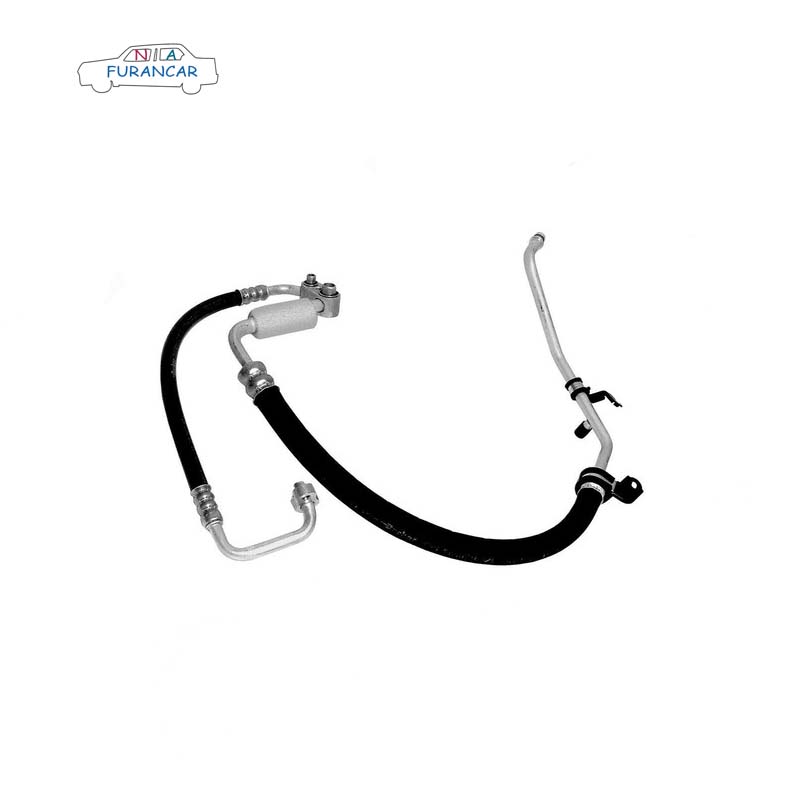
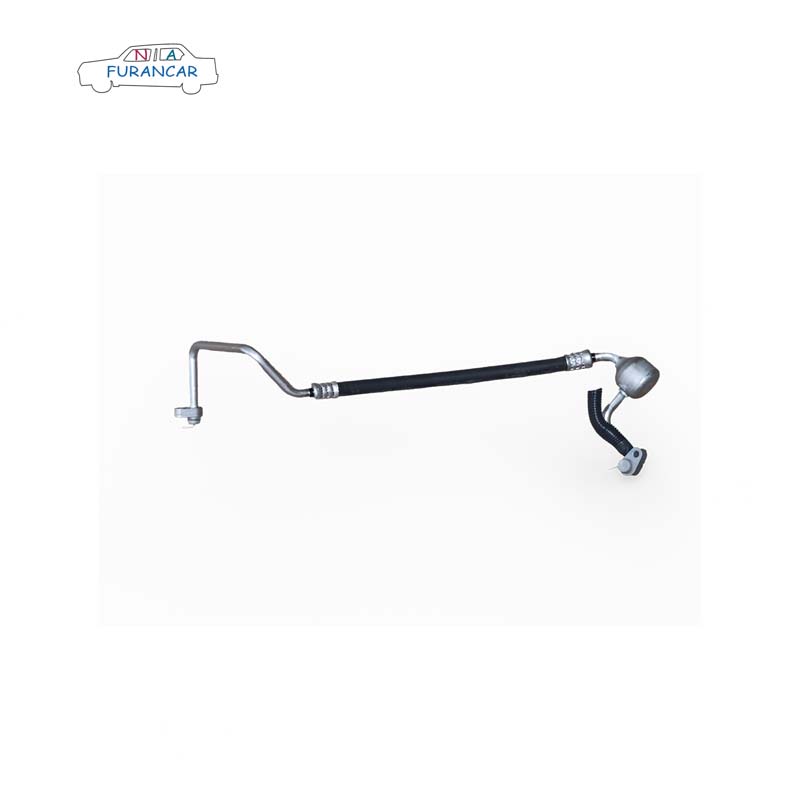
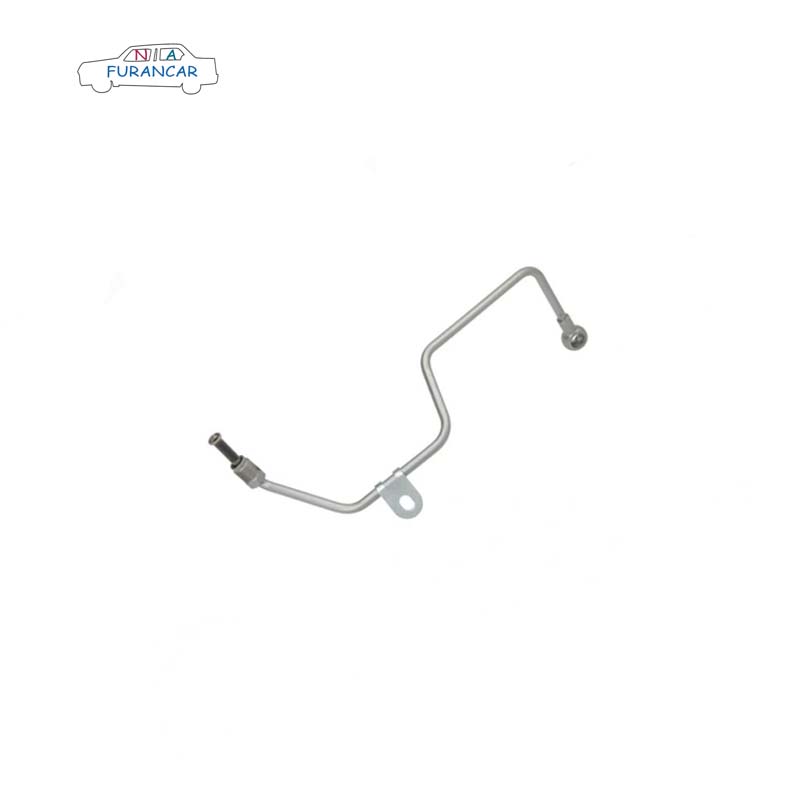
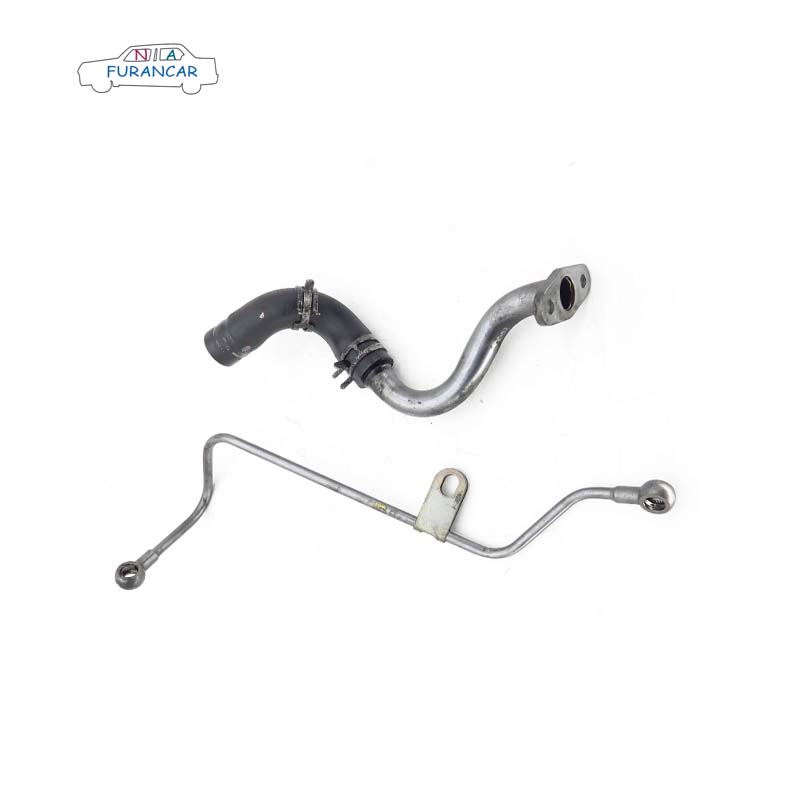
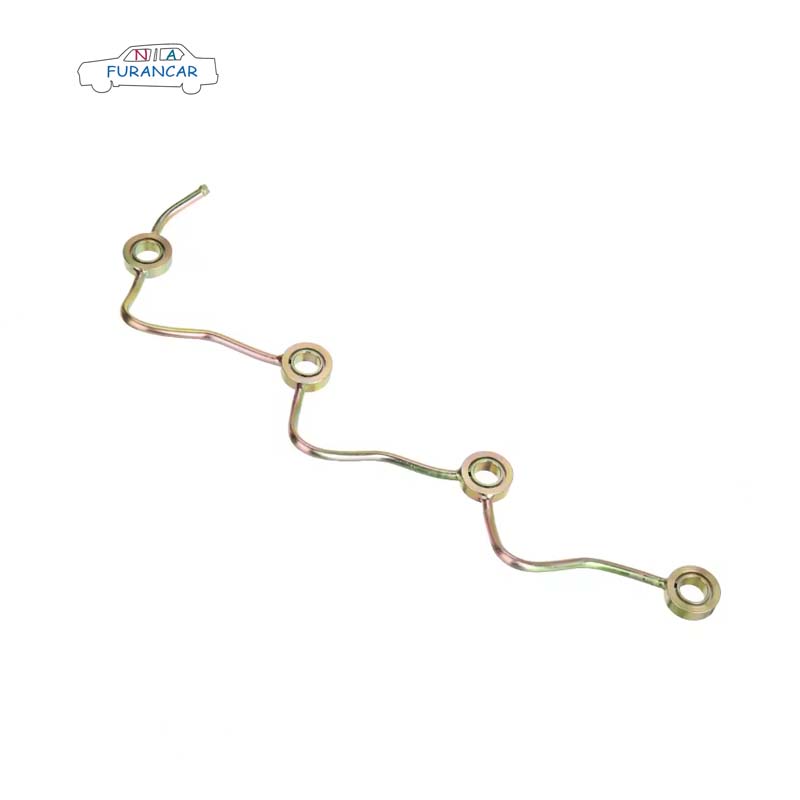
With the rapid development of the automotive industry, automotive air-conditioning systems have significantly enhanced driving and passenger comfort, and there is growing emphasis on their functional requirements and technological innovation. The performance of the air-conditioning system relies on the connections within the piping system, such as high-pressure and low-pressure lines; consequently, the design requirements for air-conditioning piping are of particular importance. This paper explores the technical development process of air conditioning piping by providing a detailed overview of the composition, operating principles, piping design, manufacturing processes and testing requirements of automotive air conditioning systems. Furthermore, it analyses common failure modes in automotive air conditioning piping and proposes corresponding corrective measures and maintenance recommendations, thereby providing a reference for future project development and design.
Introduction
As a vital component of a vehicle’s interior, the air conditioning system enhances the comfort of both driver and passengers and plays a significant role in the vehicle’s overall performance. The air conditioning piping, as the core component of this system, acts much like the ‘blood vessels of the human body’, connecting key components such as the compressor, condenser, evaporator and expansion valve to form a closed-loop system. This ensures the orderly flow of refrigerant within the system, thereby enabling the air conditioning system to provide both cooling and heating functions.
With the rapid development of the Chinese automotive market, consumers are placing ever-higher demands on the performance, reliability and energy efficiency of vehicle air-conditioning systems. The design, manufacture and maintenance of vehicle air-conditioning piping systems present numerous challenges, necessitating continuous innovation and optimisation. A thorough examination of the relevant technologies and solutions for vehicle air-conditioning piping systems is of significant practical importance for enhancing the overall performance of these systems, reducing energy consumption, minimising failure rates and improving the user experience.
An Overview of Automotive Air Conditioning Systems
1. Components and Operating Principles of the Car Air Conditioning System
A vehicle’s air conditioning system primarily consists of a compressor, cooling fan, condenser, blower, desiccant drier, air conditioning piping, evaporator, expansion valve and refrigerant. In new energy vehicles equipped with liquid-cooled battery packs, a radiator is also required.
The primary function of a vehicle air conditioning system is to provide cooling and heating, ensuring a comfortable environment for passengers inside the vehicle. The cooling process of the air conditioning system primarily comprises compression, condensation, throttling, evaporation and circulation. Firstly, the compressor compresses the low-temperature, low-pressure gaseous refrigerant into a high-temperature, high-pressure gas, which is then fed into the condenser. Secondly, within the condenser, the refrigerant is cooled and liquefied, transforming into a medium-temperature, high-pressure liquid, before flowing into the receiver-drier for storage and drying. Next, after passing through the expansion valve where pressure is reduced, the refrigerant becomes a low-temperature, low-pressure liquid and enters the evaporator. Finally, within the evaporator, the refrigerant boils and absorbs heat, cooling the air flowing through it and thereby achieving the cooling effect; the gaseous refrigerant is then drawn back into the compressor, completing a cycle. During the cooling process, the air conditioning piping provides a flow path for the refrigerant.
The heating mechanisms in automotive air conditioning systems primarily involve utilising engine waste heat and employing independent heating units. Traditional petrol and diesel vehicles mainly rely on the heat generated by the engine, whereas new energy vehicles utilise PTC thermistors for heating.
2. Functions and classifications of automotive air conditioning piping
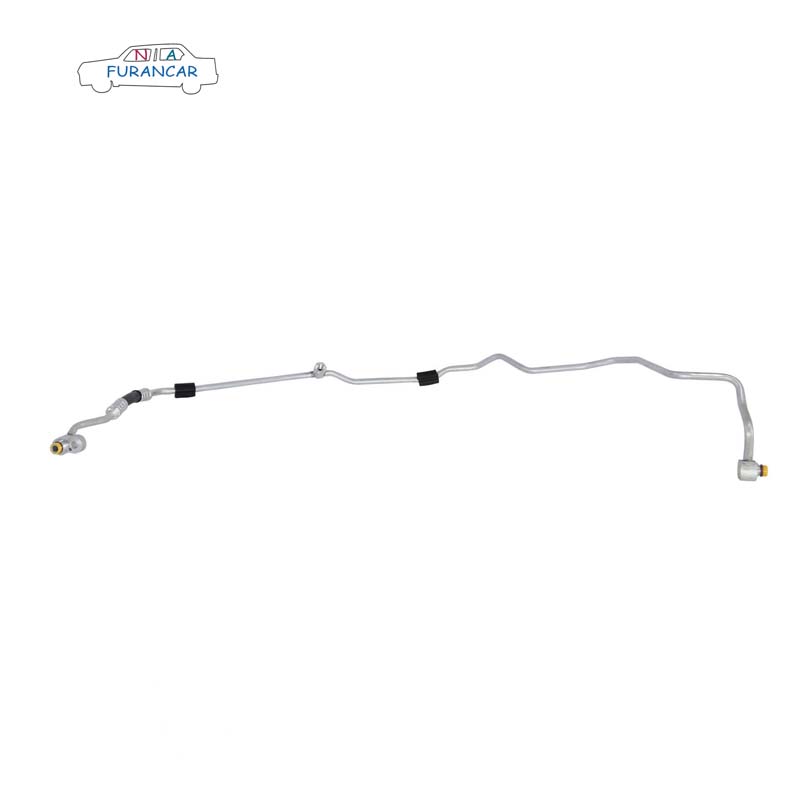
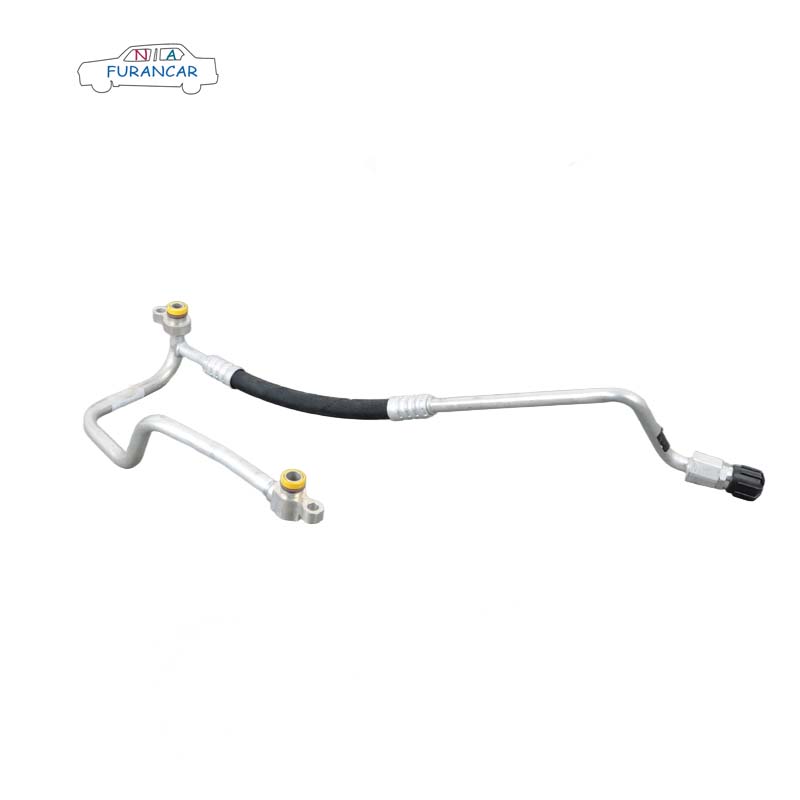
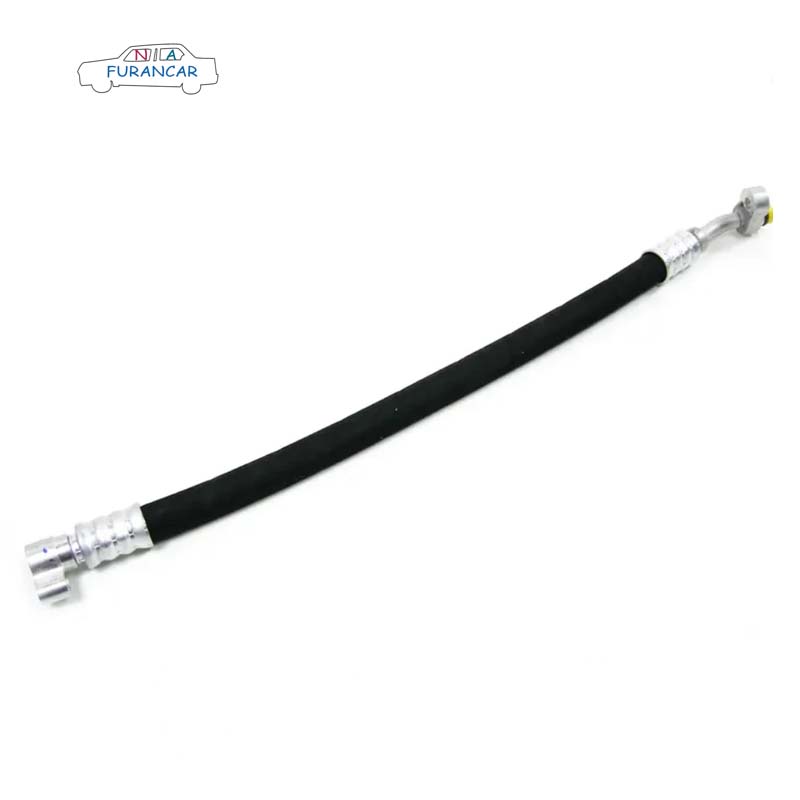
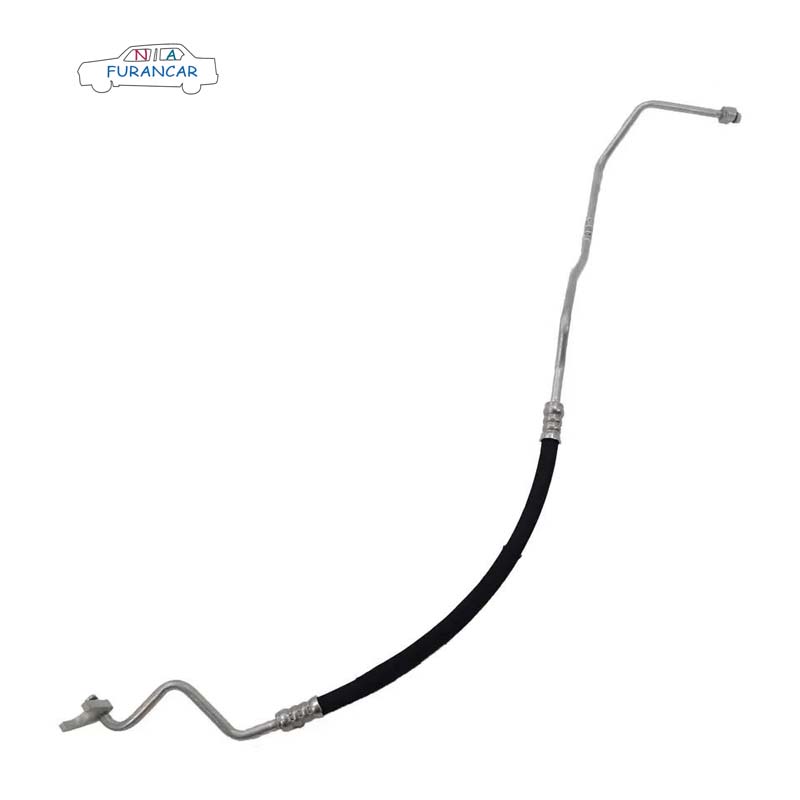
Air conditioning piping plays a crucial role in automotive air conditioning systems by connecting various components and conveying refrigerant, ensuring the smooth circulation of refrigerant within the system. Automotive air conditioning piping assemblies can be categorised into compressor piping assemblies, condenser piping, heater core piping and ventilation system piping, amongst others. Automotive air conditioning piping can be classified by material into copper tubing, aluminium tubing and rubber hoses; by pressure into high-pressure and low-pressure lines; and, based on the state of the refrigerant during the cycle, into gas-phase and liquid-phase lines.
As aluminium tubing is lightweight, it plays a positive role in automotive weight reduction design; consequently, aluminium tubing is now widely used in automotive air conditioning systems. Automotive air conditioning piping systems primarily consist of aluminium tubing, fittings (clamps, connectors, nuts, etc.), flexible hoses, corrugated hoses, aluminium sleeves, charging ports, O-rings, pressure switches and plastic caps. To ensure that the air conditioning refrigerant does not leak, the quality of the piping fitting design is of paramount importance. Fittings in automotive air conditioning piping are key to ensuring airtightness; the main types of fittings currently in use are threaded connections and clamp connections.
Threaded connections involve joining aluminium tubes to one another, or aluminium tubes to other components, using nuts and external threads. Clamp connections use clamps and bolts to secure pipe joints tightly together, ensuring both sealing and stability. When tightening threads, the hose may become twisted; hoses subjected to torsional shear stress are prone to premature fatigue failure, and this torsional force also tends to cause the joint to loosen. Consequently, clamping structures are now preferred for air conditioning piping.
Design Requirements for Automotive Air Conditioning Piping
1. Requirements for the installation and routing of automotive air conditioning pipes
Automotive air conditioning pipework is subject to vibration, impact and temperature fluctuations whilst the vehicle is in motion; therefore, the secure installation of the pipework is of paramount importance. Proper securing prevents loosening, wear and leakage, ensuring the normal operation and long-term reliability of the air conditioning system. Where two pipes run parallel to one another, welded nut holes are typically designed at suitable positions on the front bulkhead outer panel, and multi-pipe clamps are used to secure the pipework, with fixing points generally spaced at intervals of 300 mm. At the same time, cable ties are often used to assist with securing the lines. For rigid pipes, the distance between two fixing points should be between 100 and 400 mm to prevent excessive vibration caused by overly long sections. The addition of fixing points on flexible hoses should be minimised to reduce stress and wear on the hoses. Additional fixing points should be added at bends to ensure stability at these points.
When designing air conditioning ductwork, a series of layout requirements must be met. The angle of bends in rigid ducting should be greater than 90°; the bend radius should be 1.5 to 2 times the diameter of the duct; the minimum straight section following a bend should be no less than 15 mm; and the connection between flexible and rigid ducting should be greater than 35 mm. The clearance between the ductwork and surrounding components should be no less than 6 mm to prevent wear caused by contact between the ductwork and surrounding components.
3. Testing requirements for air conditioning ductwork
To prevent refrigerant leaks during the circulation process, automotive air-conditioning systems must meet stringent airtightness requirements; during the design and development phase, numerous tests must be conducted to verify the soundness of the design, if the test is passed, this indicates that the airtightness of the piping meets the requirements.
Failure Mode Analysis of Automotive Air Conditioning Piping
According to relevant statistics, faults in air conditioning systems caused by incorrect refrigerant charging rank as the most common issue, with leaks at the joint between the evaporator outlet pipe and the compressor suction pipe accounting for as much as 90% of these cases. Consequently, the primary failure mode in automotive air conditioning piping is refrigerant leakage at the joints, which is attributed to the following specific causes.
1. Ageing of pipework
After prolonged use, the rubber components of a car’s air conditioning system gradually age, harden and crack, leading to refrigerant leaks through these fissures. As the air conditioning pipes are mainly located in the engine compartment, where they are constantly exposed to high temperatures and vibrations, the ageing process is accelerated.
2. Loose connection
The joints in the air conditioning pipework may become loose whilst the vehicle is in motion, due to vibrations and other factors. Should a joint become loose, the seal will be compromised, making it likely for refrigerant to leak from the joint.
3. Component failure
Components in an air-conditioning system, such as the compressor, condenser and evaporator, can also cause refrigerant leaks if their internal seals are damaged or if the components themselves develop defects such as cracks or pinholes. For example, a damaged shaft seal on the compressor can cause refrigerant to leak from the seal into the external environment.
4. Traumatic injury
Whilst the vehicle is in motion, the air conditioning pipes may be subjected to external forces such as impacts from stones or scrapes from branches, which can cause damage to the pipes and result in refrigerant leaks. Furthermore, improper handling during vehicle maintenance and servicing may also damage the air conditioning pipes.
5. Abnormal pressure
If the pressure in an air-conditioning system is too high or too low, it can damage the pipework and components, increasing the risk of refrigerant leaks. For example, if non-condensable gases such as air enter the refrigeration system, this can cause the system pressure to rise excessively, leading to the failure of seals in the pipework or components and resulting in refrigerant leaks.
To prevent refrigerant leaks caused by the above factors, the following points should be observed. Firstly, during vehicle use, the exterior of the air conditioning piping should be inspected regularly for signs of ageing, cracking or damage, particularly at bends in the piping and in areas close to heat sources such as the engine. Secondly, the pipe joints should be checked frequently for looseness or leaks; this can be done by applying soapy water to check for the formation of bubbles, which indicates a leak. Furthermore, the operational status of all components within the air conditioning system should be checked regularly, such as whether the compressor is running normally and whether there is abnormal frost build-up on the condenser or evaporator. Finally, the air conditioning system should be used correctly in accordance with the vehicle’s owner’s manual. Avoid running the air conditioning for extended periods whilst the engine is not running, as this places an unnecessary strain on the compressor. Finally, during vehicle servicing, ensure the air conditioning system is properly maintained. This includes replacing the air filter to keep the system clean, preventing dust and other contaminants from entering the system, which could impair cooling performance and damage components. Furthermore, during vehicle repairs, take care to avoid damaging the air conditioning pipes and components. If it is necessary to remove the air conditioning pipes, follow standard operating procedures; after removal, protect the pipe joints and other areas to prevent foreign objects from entering.
Conclusion
This paper explores the technical development process of air conditioning piping by providing a detailed overview of the composition, operating principles, piping design, manufacturing processes and testing requirements of automotive air conditioning systems. Furthermore, by analysing and addressing leakage issues in air conditioning pipe joints, it proposes corresponding corrective measures and maintenance recommendations, thereby providing a reference for future project development and design. The technical development of air conditioning piping and the resolution of leakage issues not only affect the performance of the air conditioning system but also directly impact passenger comfort and the overall quality of the vehicle. Therefore, the design, fabrication and maintenance of air conditioning piping should be given due attention.
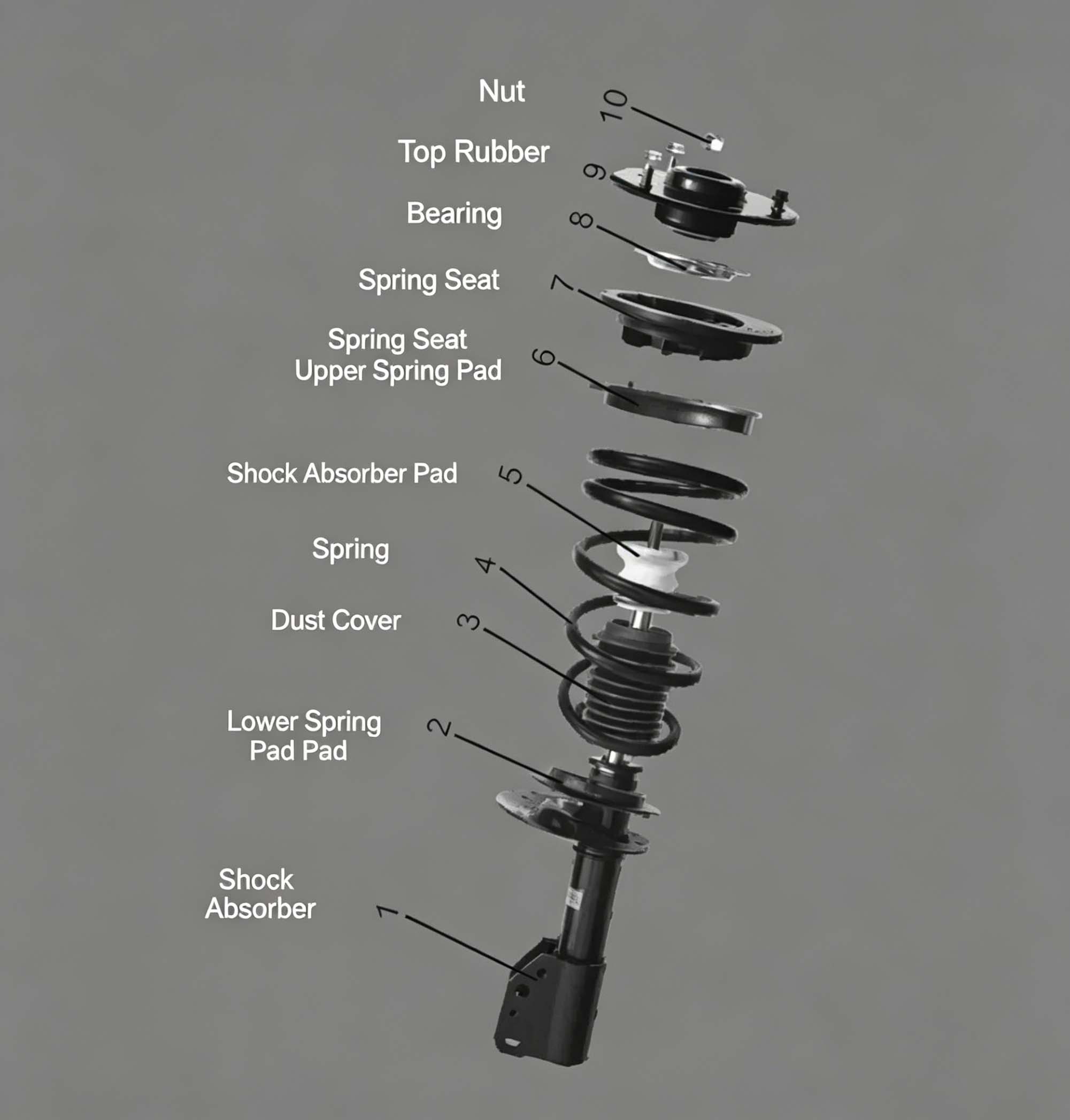
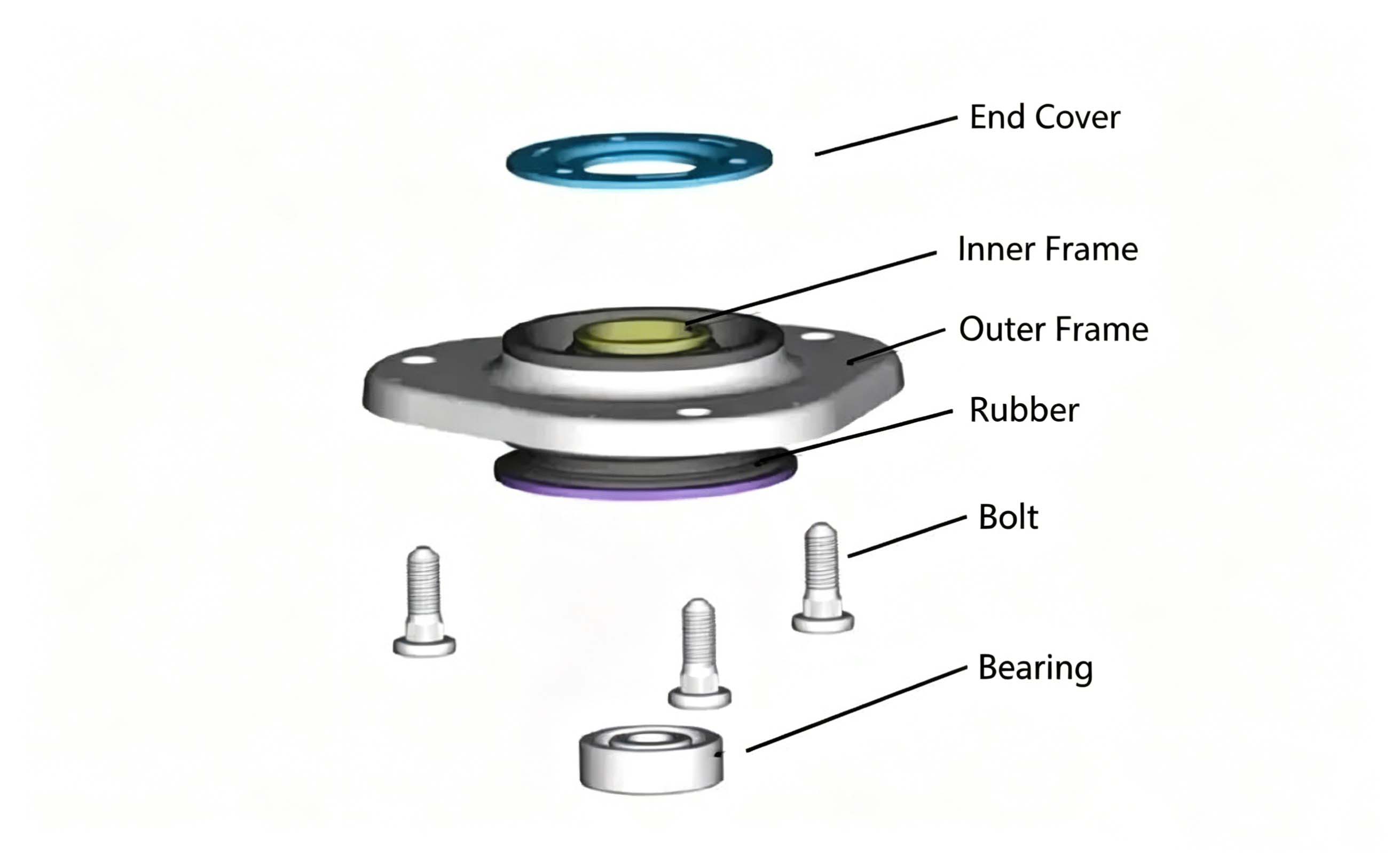 The shock absorber top mount is made of rubber and serves to cushion and absorb vibrations. When the spring is fully compressed, the vehicle body is subjected to a relatively strong impact transmitted from the wheels; without the cushioning provided by the shock absorber top mount, this intense impact would not only damage the shock absorber but could also cause the wheel hub to deform.