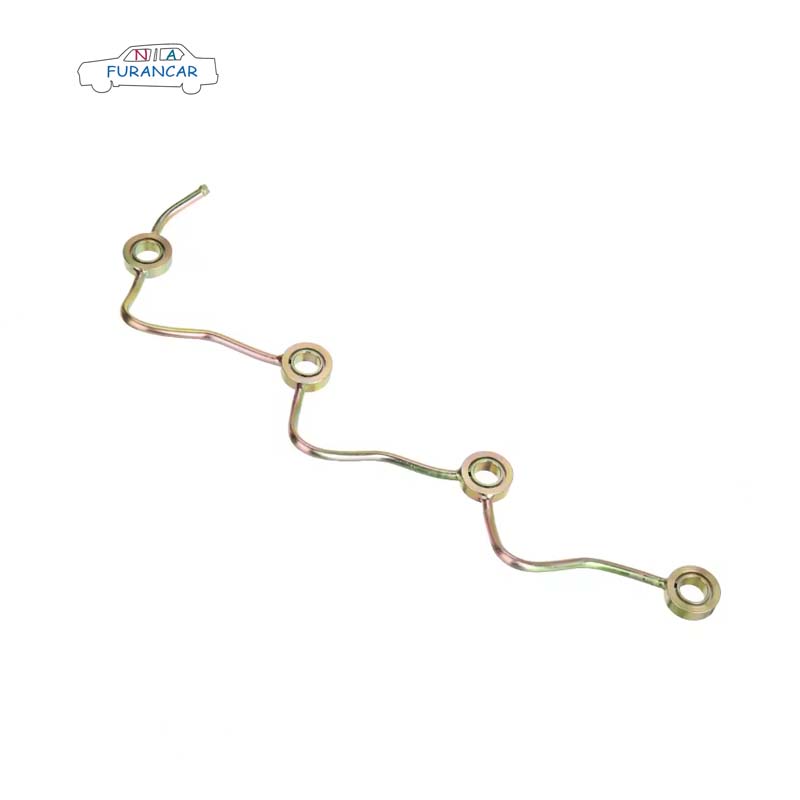
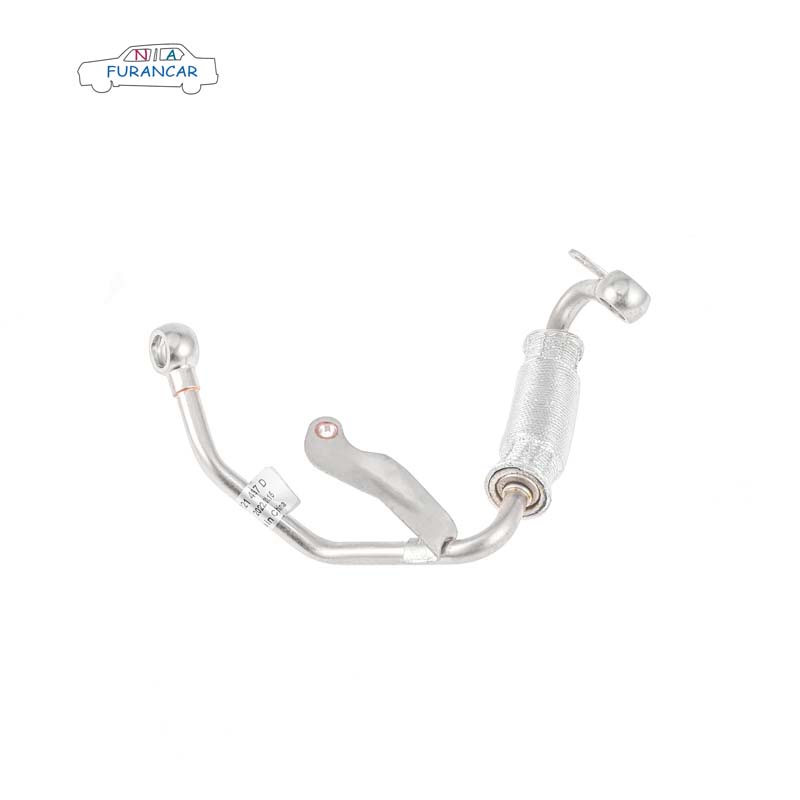
{ Turbocharger }

  • Automotive Components Essentials Turbocharger Kits Fundamentals

    Adding a turbocharger kit to your vehicle is a complex and intricate process. Forced induction conversion (adding a turbocharger or supercharger) should be undertaken with meticulous care and a thorough understanding of the concepts required for the system to function smoothly. Below is an explanation of the fundamental components that should be included in any basic turbocharger kit and their respective functions.

    Turbocharger

    The turbocharger component of the turbo kit is the most obvious. The turbocharger is essentially a powerful, high-capacity air compressor driven by the energy from the engine's exhaust gases. It is important to remember that not just any turbo will suffice. The turbo's capacity must be carefully matched to the engine and the desired performance.


    Intercooler
    Virtually all turbocharged systems require an intercooler for proper operation. An intercooler acts as an “air radiator”, cooling the air that has been compressed by the turbocharger before it reaches the engine's intake. Without an intercooler during the pressurisation process, the air becomes excessively heated, which may lead to dangerous pre-detonation.


    Turbocharger Manifold and Downpipe
    The turbo manifold is fitted to the exhaust stream of the turbocharged engine, housing the compressor blades where the turbocharger operates. The downpipe seamlessly connects the turbocharger to the remainder of the exhaust system, integrating it into the vehicle's existing exhaust layout.


    Intercooler and Intake Piping
    The intercooler and intake piping connect the turbocharger on the engine to the compressor. The outlet of the intercooler and intake manifold connects to the air filter at the intake port. The turbo piping is stronger than the stock components to handle the pressurised intake airflow at increased pressure.

    Oil/coolant supply lines
    Depending on whether the turbocharger is water-cooled, coolant lines may or may not be required for your turbocharger kit. All turbochargers will require an oil supply line to maintain bearing lubrication and cooling.


    Fuel Management
    Many turbocharger kits will require a fuel controller to ensure the correct amount of fuel is delivered to the engine under the additional boost pressure.

  • Automotive Components (Silicone Classification) Turbocharger Hoses

    How does a turbocharger work?


    Turbocharging works by compressing air, enabling the engine to accommodate greater volumes of air. This facilitates thorough mixing and combustion of fuel and air, thereby enhancing the engine's power output.


    What are the advantages and disadvantages of turbocharging?


    The advantages include an engine power increase of over 30%, with theoretically more complete combustion reducing fuel consumption and improving fuel efficiency. The greatest benefit, however, lies in emissions reduction, resulting in a lower environmental impact. This becomes particularly advantageous today as emission standards grow increasingly stringent, making turbocharging more advantageous. The drawbacks include higher operating temperatures and pressures, demanding stricter material performance specifications. Engine wear increases, resulting in a relatively shorter lifespan compared to naturally aspirated engines. Additionally, turbocharged engines produce greater noise levels. Furthermore, the time required for compressed air to convert into power output during acceleration typically spans two seconds, leading to a noticeable lag in power delivery response compared to naturally aspirated vehicles.


    Where is silicone rubber applied in turbocharger systems?


    Silicone is primarily employed in the C-section of turbocharger system piping, where operating temperatures typically range from 175 to 220 degrees Celsius. Certain high-temperature sections may even reach 250 degrees Celsius, necessitating silicone with exceptional heat resistance and ageing properties. NAFURANCAR's silicone products have been established in this industry for many years. Whether standard silicone, vapour-phase silicone, or heat-resistant silicone, we offer mature and stable matching solutions. These products have withstood extensive testing by numerous customers over many years, earning high recognition and trustworthiness.


    Other rubber materials may not withstand operating temperatures of 220 degrees, but why not use metal components for Section C?


    As metal components lack the elastic properties of elastomers, they cannot provide shock absorption and are therefore unsuitable for use in turbocharger system operating environments.


    Silicone is not oil-resistant, so how does one address oil-gas mixing and oil leakage in the vortex tube?


    The inner lining material for vortex tubes comprises 0.2-0.3mm fluorinated silicone rubber or 0.5-0.8mm fluorinated silicone elastomer. The reinforcement layer utilises aramid fabric laminated with calendered silicone rubber, while the outer cover features a single layer of silicone rubber. This thin inner lining layer effectively provides oil resistance. NAFURANCAR's fluorosilicone rubber products offer excellent oil resistance, superior processability, and competitive pricing, making them the ideal choice for your lining layer requirements.


    What are the operational requirements for vortex tubes?


    During operation, the vortex tube must not exhibit interlayer delamination, nor should its inner and outer surfaces display swelling, cracking, bulging, or other abnormal phenomena. The PVY test simulates the vortex tube's operational environment to assess its quality, primarily through pulse pressure testing and axial/radial vibration testing conducted under simulated temperature conditions.


    How is that vortex tube manufactured?


    The manufacturing process for silicone rubber composite hoses primarily comprises the following stages: compounding, calendering, fabric cutting, winding, shaping, vulcanisation, demoulding, cutting, assembly, and packaging. This represents the current mainstream production method, accounting for over 80% of silicone rubber composite hose manufacturing. Additionally, an extrusion moulding process exists, which reduces labour requirements while offering more consistent quality control. However, it demands higher standards in equipment, process parameters, and compound formulation. For both processes, NAFURANCAR offers suitable product solutions.


    What are the future development trends for vortex tubes?


    In future, vortex tubes will increasingly adopt stable automated production processes such as extrusion. Material selection will favour high-temperature, low-pressure silicone rubber capable of strong adhesion to dense aramid fabric. Design and manufacturing techniques will prioritise thin-walled construction, alongside crucial cost-reduction requirements. NAFURANCAR Company remains committed to refining its products in alignment with OEM/customer specifications, striving to maintain a leading position within the industry's developmental trajectory.


  • Performance requirements for hoses used in turbocharging systems

    |

    Turbocharging is a technology that uses the exhaust gases produced by an internal combustion engine to drive an air compressor. The primary function of turbocharging in cars is to increase the volume of air entering the engine, thereby boosting engine power and torque and making the vehicle more responsive. However, following turbocharging, both the pressure and temperature within the engine rise significantly; consequently, advancements in materials are also crucial when implementing turbocharging technology in engines.

    High-temperature resistance

    The gas in a turbocharger generates high temperatures due to compression and intense friction; even after cooling, the gas temperature generally exceeds 100 °C. Consequently, the materials used for hoses in turbocharger systems must be capable of withstanding high temperatures. Ordinary natural rubber, styrene-butadiene rubber (SBR) and polybutadiene rubber (BR) are unable to meet the requirements for use under high-temperature conditions; therefore, specialised high-temperature-resistant rubber materials must be employed. As turbocharger pressures continue to rise, the temperature of the gas passing through the hoses also increases. If the pressure reaches 3.5×10⁵ Pa, the temperature of the gas passing through the hoses can exceed 250 °C, and there are very few types of rubber capable of withstanding such high temperatures.


    Oil Resistance

    The gas passing through the hoses in a turbocharging system is generally contaminated with oil vapour; therefore, the hoses must possess a certain degree of oil resistance, particularly resistance to high-temperature oil vapour. Some rubbers with good high-temperature resistance (such as silicone rubber) have poor oil resistance, so an inner lining must be added to the inner wall of the silicone rubber hose to prevent corrosion from the oil vapour.

    Strength

    Turbocharging systems are not only subject to high temperatures but also to a certain degree of pressure; in particular, the pressure on the high-temperature sections of the piping is relatively high. Although reinforced hoses are generally used in turbocharging systems (with the reinforced layer constituting the primary pressure-bearing component), the rubber itself must also possess a certain degree of strength to enhance the overall strength of the hose. Furthermore, to meet the requirements of the manufacturing process and assembly, the rubber must also exhibit high tensile strength and tear strength.


    Compression set

    Generally, turbocharger hoses are connected to metal pipes using clamps to form a piping system. At high temperatures, the rubber must possess good resistance to deformation; otherwise, excessive compression set may cause the clamps to loosen and the hose to detach, leading to a safety incident.


    Cold resistance

    Although the hoses operate in a high-temperature environment once the engine has started, they are exposed to cold air once the engine is switched off. When the engine is started in cold conditions during winter in cold regions, the rubber hoses vibrate at low temperatures. If the rubber has poor low-temperature resistance, the hoses may become hard and brittle, leading to problems such as tearing, detachment and loss of vibration-damping capability.

    Adhesion Strength

    The rubber layer of a hose must maintain good adhesion to the reinforcement layer and the inner lining under harsh conditions such as cold, heat, and exposure to oil and gas, and must possess sufficient adhesion strength to ensure that delamination does not occur. Adhesion strength is dependent on the properties of the rubber itself and the rubber formulation, and is also closely related to the impregnation and pre-treatment of the reinforcement layer, the choice of adhesive, and the bonding process; therefore, all these factors must be thoroughly considered.


    Hardness

    The rubber should have a suitable hardness. If the hardness is too high, the hose will be too rigid to provide effective vibration damping, and will be difficult to fit and prone to coming loose; if the hardness is too low, sufficient strength cannot be guaranteed.

  • The Evolution of Automotive Turbocharger Hoses

    |

    Have you noticed that some vehicles on the road have a 'T' following the engine displacement figure in their model designation? This actually indicates that the vehicle's engine is fitted with a turbocharger. This device increases engine output power during high-speed driving whilst offering relative fuel efficiency.

    The intake and exhaust intercooling system for automotive engines equipped with turbochargers typically comprises an air filter, turbocharger, intercooler, and connecting ductwork. The air delivery ducts must employ rubber hoses connected to steel pipes, or rubber hoses connected to blow-moulded pipes, or directly to corrugated blow-moulded pipes. The excellent flexibility and vibration-damping properties of rubber or corrugated blow-moulded pipes facilitate duct layout and assembly while significantly enhancing the air delivery system's capacity to absorb vibrations. Fresh air, after filtration through the air cleaner and pressurisation by the turbocharger, undergoes significant temperature rise during compression. Typically reaching 150°C to 200°C, gas temperatures in high-boost-ratio engines may exceed 200°C, even surpassing 275°C. Following cooling through the intercooler, the gas medium temperature drops below 60°C. This increases the density of the fresh air, enabling the engine to draw in greater volumes of air and inject more fuel. This promotes more complete combustion, thereby reducing fuel consumption and emissions while enhancing engine power output.


    Turbocharger hoses, serving as the conduit between the engine and turbocharger, must withstand the swelling and ageing caused by high-temperature oil vapour during both the intercooler intake and exhaust processes, while maintaining flexibility at low temperatures. Given that turbochargers frequently operate under high-speed, high-temperature conditions—with exhaust turbine temperatures reaching approximately 600°C and rotor speeds of 8000–11000 rpm—all layers (inner, reinforcement, and outer) must exhibit resistance to high-temperature ageing. Consequently, inner layers typically employ ACM, VMQ, FKM, AEM, or EPDM compounds, while outer layers utilise ACM, VMQ, FKM, AEM, ABS (GDM), or similar materials. The reinforcement layer incorporates polyester or aromatic polyamide materials. These rubber compounds, capable of withstanding demanding operating conditions, are costly and relatively challenging to process. Consequently, developing an appropriate formulation system to achieve the desired performance while reducing costs to some extent represents a key challenge for turbocharger hose manufacturers and developers.

    THERMAX N990 medium-particle pyrolytic carbon black is produced through the thermal cracking of natural gas. This pyrolysis process endows the carbon black with distinctive characteristics of large particle size and low structure. THERMAX N990 finds widespread application due to its ability to impart heat resistance, oil resistance, chemical resistance, and excellent dynamic properties to products. Its large particle size and low structure confer high fillability. Characteristics such as low compression set, high rebound elasticity, and low hysteresis enable the compound to retain the inherent elastomeric properties of rubber. As a non-reinforcing carbon black, the use of THERMAX pyrolytic carbon black in compounds is frequently employed to achieve cost reduction and obtain specific physical properties.


    The use of THERMAX N990 in rubber compounds such as FKM and ACM/AEM demonstrates a superior overall balance of processing and product performance compared to any other carbon black variety. These favourable properties remain stable across varying filler levels and hardness requirements, outperforming other carbon blacks in product applications. THERMAX N990 serves as a cost-effective filler in FKM, ACM/AEM and similar rubber applications, particularly under high-filling conditions. High filling reduces polymer content in the compound, thereby lowering costs. Simultaneously, the inclusion of THERMAX N990 enhances the compound's resistance to oil and gas ageing, as well as high-temperature ageing. It also facilitates easier mixing and extrusion processes. It effectively addresses adhesion issues between inner/outer rubber layers and reinforcement layers. During high-pulse gas vibrations within the hose, it maintains excellent dynamic performance, thereby ensuring the longevity of the entire turbocharger system assembly.


    THERMAX N990 Carbon Black ensures sustained power for your vehicle during high-speed driving.

  • Turbocharger Oil Feed Pipe Manufacturing Process Explained

    Modern turbocharged engines rely heavily on stable lubrication and oil circulation to maintain performance and durability. One small but critical component in this system is the Turbocharger Oil Feed Pipe. Although it may appear simple, the manufacturing quality of this pipe directly affects turbocharger lifespan, oil flow stability, sealing performance, and overall engine reliability.

    For European aftermarket customers and OEM buyers, understanding how a Turbocharger Oil Feed Pipe is manufactured helps evaluate product quality, material standards, and supplier capability.

    This article explains the complete Turbocharger Oil Feed Pipe manufacturing process, including raw materials, bending, welding, testing, and quality control procedures.


    What Is a Turbocharger Oil Feed Pipe?


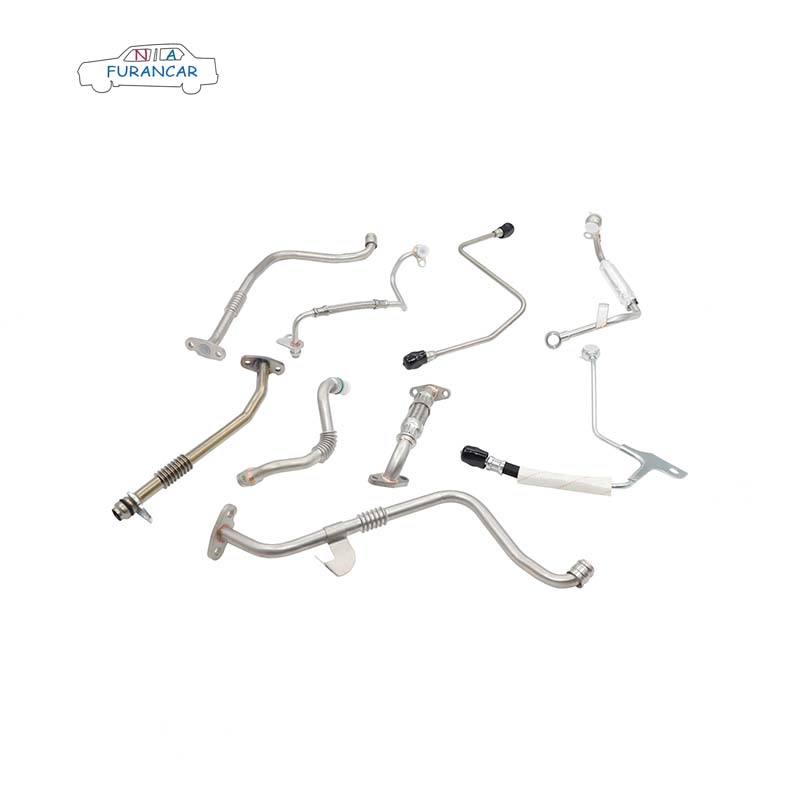
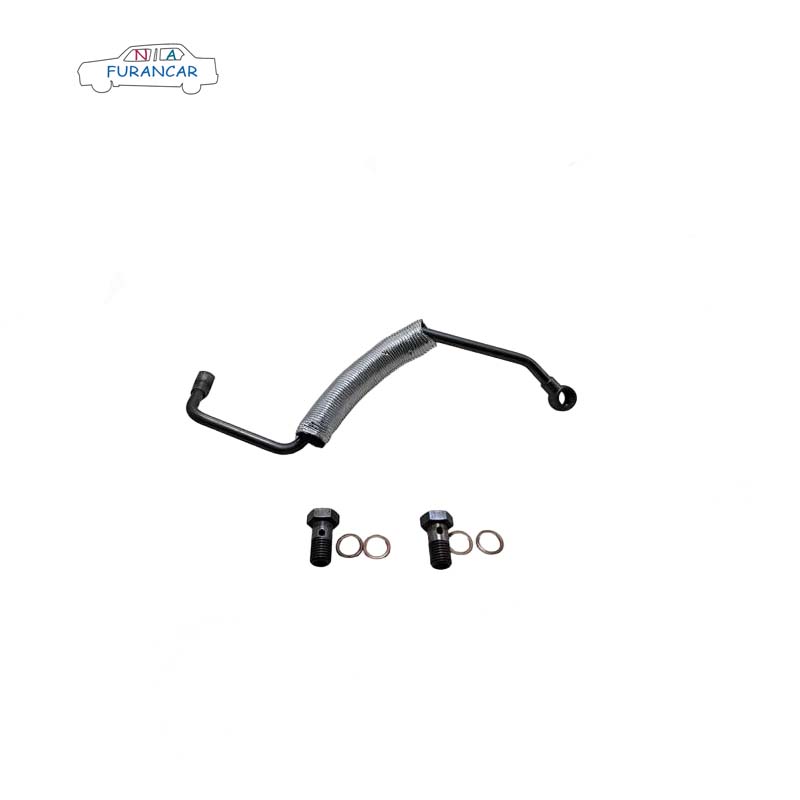
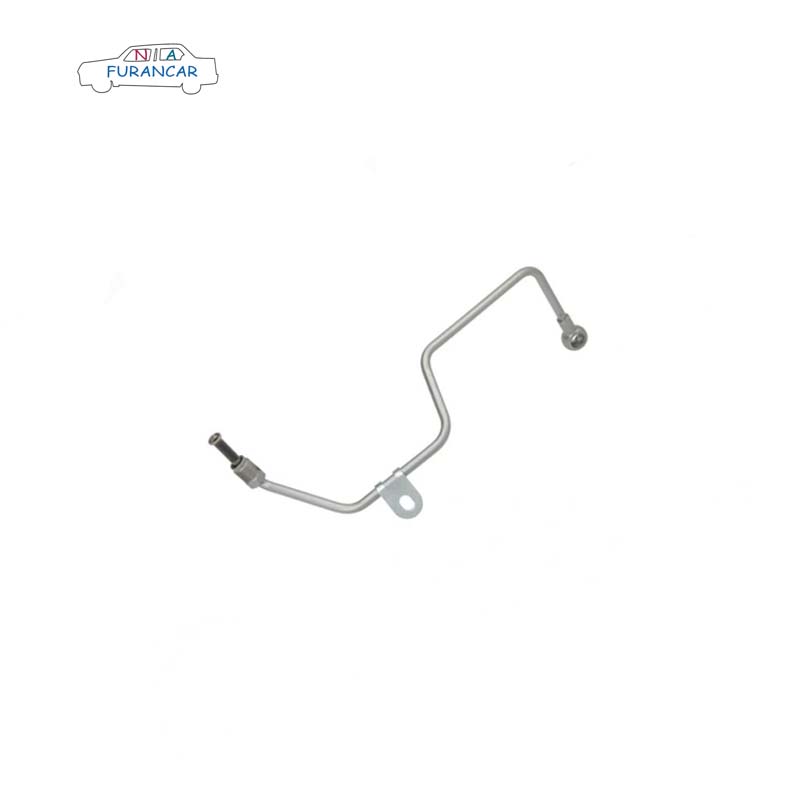
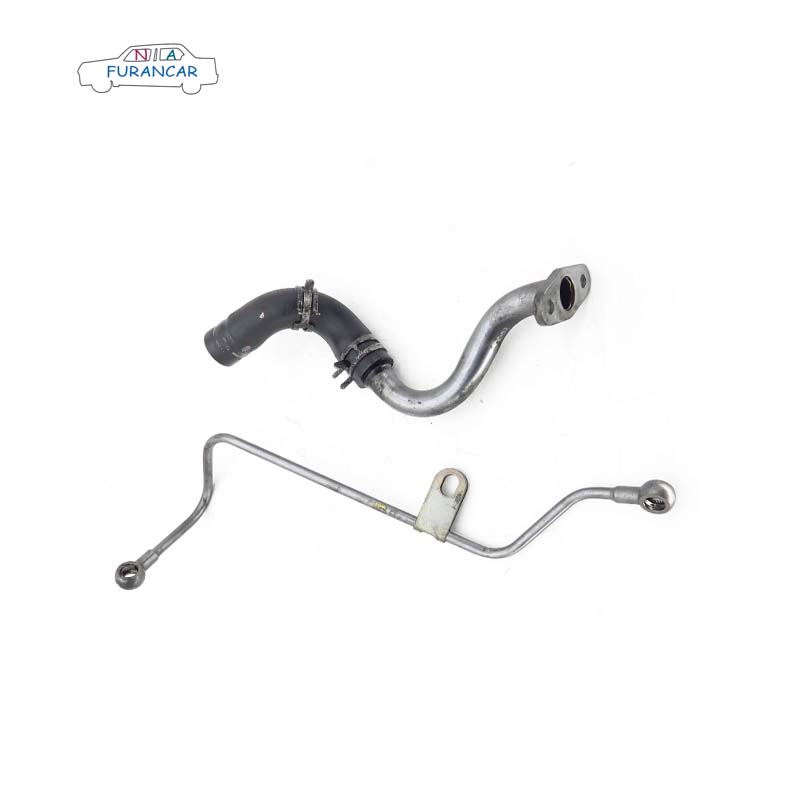
    A Turbocharger Oil Feed Pipe is responsible for delivering pressurized engine oil from the engine block to the turbocharger bearing housing. The oil lubricates and cools the turbocharger shaft and bearings during high-speed operation.


    Without proper oil supply:

    • Turbocharger bearings may overheat
    • Shaft wear may increase
    • Turbo efficiency may decrease
    • Oil leakage or turbo failure may occur


    The Turbocharger Oil Feed Pipe must therefore withstand:

    • High temperature
    • High pressure
    • Continuous vibration
    • Long-term oil exposure

    In European vehicles such as BMW, Mercedes-Benz, Volkswagen, Renault, and Volvo, the oil feed pipe design often requires precise bending angles and accurate OE fitment.


    Raw Materials Used in Turbocharger Oil Feed Pipes


    The durability of a Turbocharger Oil Feed Pipe begins with material selection.


    Carbon Steel Pipes

    Carbon steel is widely used in aftermarket turbocharger oil pipes because of its:

    • Good strength
    • Cost efficiency
    • Stable production performance

    After bending and forming, carbon steel pipes usually receive surface treatment such as galvanizing or anti-corrosion coating.

    However, poor drying after chemical treatment may sometimes cause internal oxidation or slight rust inside the pipe.


    Stainless Steel Pipes

    Stainless steel Turbocharger Oil Feed Pipes provide:

    • Better corrosion resistance
    • Longer service life
    • Improved appearance
    • Higher temperature resistance

    Many European aftermarket customers now prefer stainless steel solutions for demanding applications or harsh environments.

    Although stainless steel pipes have higher production costs, they significantly reduce the risk of internal corrosion.


    Rubber Hose and Sealing Materials

    Some turbo oil pipe assemblies include flexible hose sections and sealing components.

    Common sealing materials include:

    • NBR (Nitrile Rubber)
    • FKM / Viton® for higher temperature resistance

    Material selection depends on:

    • Oil temperature
    • Pressure requirements
    • Vehicle application
    • OE specifications

    Turbocharger Oil Feed Pipe Manufacturing Process

    The Turbocharger Oil Feed Pipe manufacturing process involves multiple precision production steps.


    1. Tube Cutting

    The process begins with raw steel tubing.

    The tubes are cut according to OE dimensions using automatic cutting machines to ensure:

    • Accurate length
    • Clean edges
    • Stable production consistency

    Cutting accuracy is important because even small deviations may affect installation and oil sealing.


    2. CNC Tube Bending

    After cutting, the pipe enters the CNC bending process.

    Turbocharger Oil Feed Pipes often have complex shapes because they must fit inside crowded engine compartments while avoiding:

    • Engine vibration interference
    • Heat sources
    • Other engine components

    Precise bending ensures:

    • Correct oil flow path
    • Proper installation angle
    • OE-level fitment

    Advanced CNC bending machines help maintain dimensional consistency during mass production.


    3. Welding and Joint Assembly

    Many Turbocharger Oil Feed Pipes require:

    • End fittings
    • Connectors
    • Brackets
    • Banjo joints

    These components are welded or brazed onto the pipe assembly.

    Welding quality is extremely important because poor welding may lead to:

    • Oil leakage
    • Cracks
    • Pressure failure

    Professional manufacturers usually control:

    • Welding temperature
    • Joint penetration
    • Surface cleanliness
    • Welding consistency


    4. Cleaning and Internal Treatment

    After welding, internal cleaning becomes critical.

    Metal debris, welding residue, or chemical contamination inside the pipe may damage the turbocharger.

    The cleaning process may include:

    • High-pressure flushing
    • Air cleaning
    • Ultrasonic cleaning
    • Internal drying

    Some manufacturers also apply anti-rust oil protection inside the pipe to reduce oxidation risk during storage and transportation.

    This step is especially important for carbon steel Turbocharger Oil Feed Pipes.


    5. Surface Treatment

    To improve corrosion resistance and appearance, the pipe surface usually receives treatment such as:

    • Zinc plating
    • Electroplating
    • Galvanizing
    • Anti-corrosion coating

    Good surface finishing improves:

    • Rust resistance
    • Product appearance
    • Long-term durability

    European aftermarket customers often pay close attention to surface consistency and coating quality.


    Pressure Testing and Quality Inspection

    Reliable Turbocharger Oil Feed Pipe manufacturers perform strict quality testing before shipment.

    Leakage Testing

    Each pipe assembly may undergo air or oil leakage testing to ensure:

    • No pinholes
    • No sealing failure
    • Stable pressure resistance

    Leakage testing is one of the most important quality control procedures.


    Burst Pressure Testing

    Burst testing verifies the pipe’s maximum pressure capability.

    High-quality Turbocharger Oil Feed Pipes must withstand pressures far above actual operating conditions to ensure safety and durability.

    Dimensional Inspection

    Manufacturers also check:

    • Pipe angle
    • Connector position
    • Thread accuracy
    • Installation dimensions

    Optical measuring systems and custom fixtures are often used for OE verification.

    Common Problems in Turbocharger Oil Feed Pipes

    Understanding common failure modes helps improve product reliability.

    Inner Corrosion

    Internal corrosion is one of the most common aftermarket concerns.

    Possible causes include:

    • Residual moisture after galvanizing
    • Poor drying process
    • Long-term storage conditions

    Complex pipe bending structures sometimes make internal drying more difficult.

    To reduce this risk, manufacturers may:

    • Improve drying procedures
    • Apply anti-rust oil
    • Use stainless steel materials

    Oil Leakage

    Oil leakage may result from:

    • Poor sealing
    • Improper welding
    • Incorrect assembly
    • Low-quality fittings

    Even minor leakage may eventually affect turbocharger performance.

    Oil Flow Restriction

    If the inner diameter becomes restricted, oil supply to the turbocharger may decrease.

    Possible causes include:

    • Internal contamination
    • Pipe deformation
    • Incorrect bending
    • Excessive welding residue

    Stable oil flow is essential for turbocharger cooling and lubrication.

    How Manufacturers Improve Turbocharger Oil Pipe Reliability

    Professional Turbocharger Oil Feed Pipe manufacturers continuously improve production processes.

    Common improvement measures include:

    • Better internal cleaning systems
    • Improved anti-rust protection
    • Higher quality welding control
    • Upgraded surface finishing
    • More accurate CNC bending
    • Enhanced pressure testing standards

    For European aftermarket customers, these improvements help reduce:

    • Warranty claims
    • Oil leakage issues
    • Installation problems
    • Long-term durability risks

    How to Choose a Reliable Turbocharger Oil Pipe Manufacturer

    When selecting a Turbocharger Oil Feed Pipe supplier, buyers should evaluate more than price alone.

    Important factors include:

    OE Development Capability

    A reliable supplier should support:

    • OE sample development
    • Drawing-based production
    • Vehicle application matching
    • Small batch customization

    Quality Control System

    Professional manufacturers should provide:

    • Leakage testing
    • Burst pressure testing
    • Dimensional inspection
    • Material verification

    IATF 16949 certification is also an important advantage for automotive suppliers.

    European Aftermarket Experience

    Suppliers familiar with European vehicles generally understand:

    • OE fitment requirements
    • Surface quality expectations
    • Packaging standards
    • Long-term aftermarket durability

    Conclusion

    The Turbocharger Oil Feed Pipe may be a relatively small component, but its manufacturing quality plays a major role in turbocharger reliability and engine performance.

    From raw material selection and CNC bending to welding, cleaning, and pressure testing, every production step affects the final product quality.

    For aftermarket buyers and OEM customers, choosing a professional Turbocharger Oil Feed Pipe manufacturer with strong quality control and technical capability is essential for long-term reliability.

    If you are looking for reliable aftermarket Turbocharger Oil Feed Pipe solutions for European vehicles, working with an experienced manufacturer can help ensure stable quality, OE fitment, and long-term cooperation.