{ Turbocharger Oil Hose }

  • Automotive Components Essentials Turbocharger Kits Fundamentals

    Adding a turbocharger kit to your vehicle is a complex and intricate process. Forced induction conversion (adding a turbocharger or supercharger) should be undertaken with meticulous care and a thorough understanding of the concepts required for the system to function smoothly. Below is an explanation of the fundamental components that should be included in any basic turbocharger kit and their respective functions.
    Turbocharger

    The turbocharger component of the turbo kit is the most obvious. The turbocharger is essentially a powerful, high-capacity air compressor driven by the energy from the engine's exhaust gases. It is important to remember that not just any turbo will suffice. The turbo's capacity must be carefully matched to the engine and the desired performance.


    Intercooler
    Virtually all turbocharged systems require an intercooler for proper operation. An intercooler acts as an “air radiator”, cooling the air that has been compressed by the turbocharger before it reaches the engine's intake. Without an intercooler during the pressurisation process, the air becomes excessively heated, which may lead to dangerous pre-detonation.


    Turbocharger Manifold and Downpipe
    The turbo manifold is fitted to the exhaust stream of the turbocharged engine, housing the compressor blades where the turbocharger operates. The downpipe seamlessly connects the turbocharger to the remainder of the exhaust system, integrating it into the vehicle's existing exhaust layout.


    Intercooler and Intake Piping
    The intercooler and intake piping connect the turbocharger on the engine to the compressor. The outlet of the intercooler and intake manifold connects to the air filter at the intake port. The turbo piping is stronger than the stock components to handle the pressurised intake airflow at increased pressure.

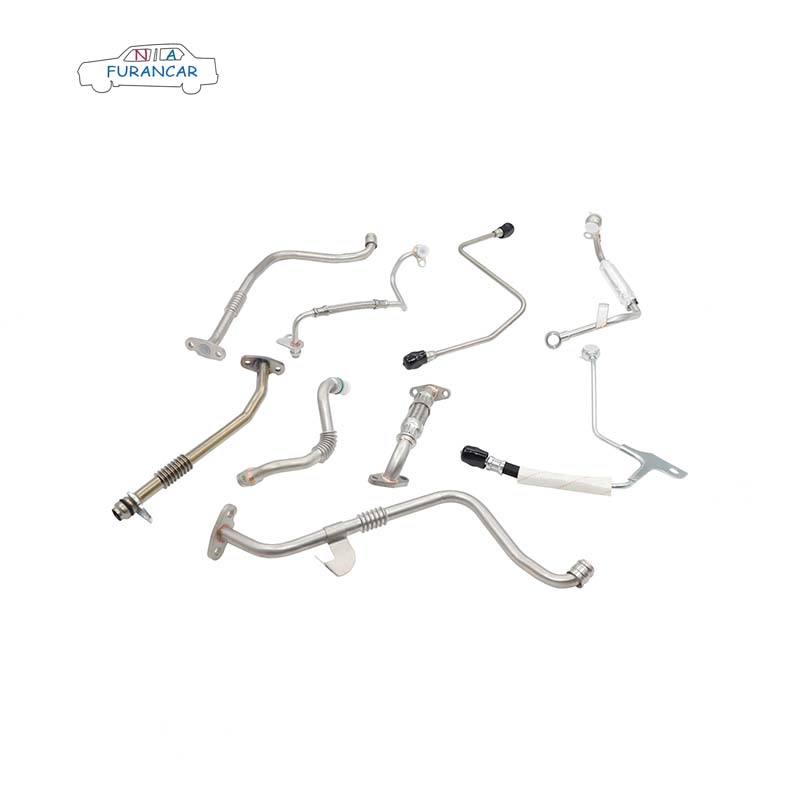
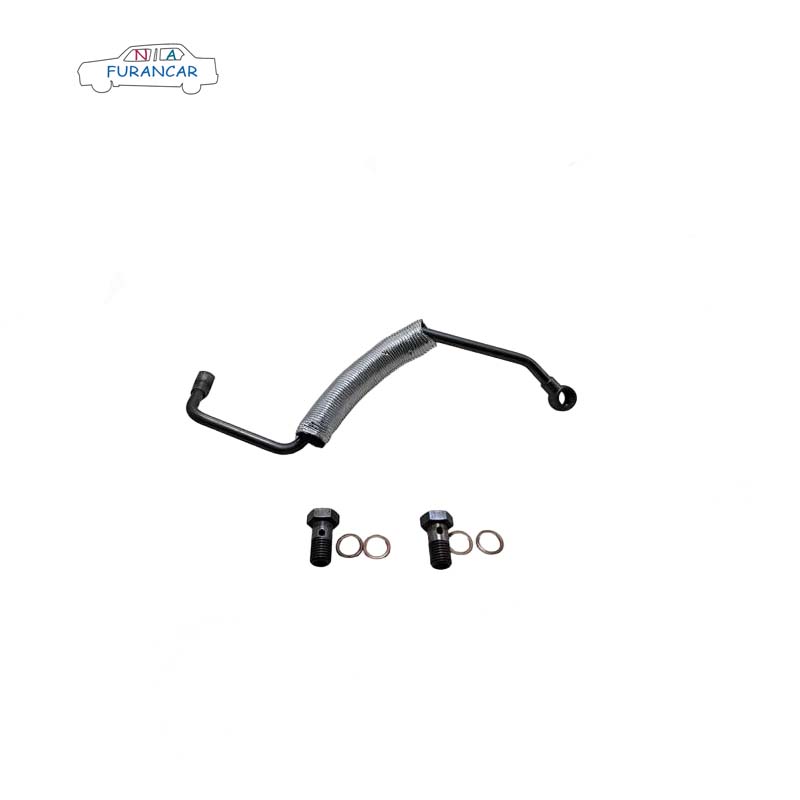
    Oil/coolant supply lines
    Depending on whether the turbocharger is water-cooled, coolant lines may or may not be required for your turbocharger kit. All turbochargers will require an oil supply line to maintain bearing lubrication and cooling.


    Fuel Management
    Many turbocharger kits will require a fuel controller to ensure the correct amount of fuel is delivered to the engine under the additional boost pressure.
  • Automotive Components (Silicone Classification) Turbocharger Hoses

    How does a turbocharger work?


    Turbocharging works by compressing air, enabling the engine to accommodate greater volumes of air. This facilitates thorough mixing and combustion of fuel and air, thereby enhancing the engine's power output.


    What are the advantages and disadvantages of turbocharging?


    The advantages include an engine power increase of over 30%, with theoretically more complete combustion reducing fuel consumption and improving fuel efficiency. The greatest benefit, however, lies in emissions reduction, resulting in a lower environmental impact. This becomes particularly advantageous today as emission standards grow increasingly stringent, making turbocharging more advantageous. The drawbacks include higher operating temperatures and pressures, demanding stricter material performance specifications. Engine wear increases, resulting in a relatively shorter lifespan compared to naturally aspirated engines. Additionally, turbocharged engines produce greater noise levels. Furthermore, the time required for compressed air to convert into power output during acceleration typically spans two seconds, leading to a noticeable lag in power delivery response compared to naturally aspirated vehicles.


    Where is silicone rubber applied in turbocharger systems?


    Silicone is primarily employed in the C-section of turbocharger system piping, where operating temperatures typically range from 175 to 220 degrees Celsius. Certain high-temperature sections may even reach 250 degrees Celsius, necessitating silicone with exceptional heat resistance and ageing properties. NAFURANCAR's silicone products have been established in this industry for many years. Whether standard silicone, vapour-phase silicone, or heat-resistant silicone, we offer mature and stable matching solutions. These products have withstood extensive testing by numerous customers over many years, earning high recognition and trustworthiness.


    Other rubber materials may not withstand operating temperatures of 220 degrees, but why not use metal components for Section C?


    As metal components lack the elastic properties of elastomers, they cannot provide shock absorption and are therefore unsuitable for use in turbocharger system operating environments.


    Silicone is not oil-resistant, so how does one address oil-gas mixing and oil leakage in the vortex tube?


    The inner lining material for vortex tubes comprises 0.2-0.3mm fluorinated silicone rubber or 0.5-0.8mm fluorinated silicone elastomer. The reinforcement layer utilises aramid fabric laminated with calendered silicone rubber, while the outer cover features a single layer of silicone rubber. This thin inner lining layer effectively provides oil resistance. NAFURANCAR's fluorosilicone rubber products offer excellent oil resistance, superior processability, and competitive pricing, making them the ideal choice for your lining layer requirements.


    What are the operational requirements for vortex tubes?


    During operation, the vortex tube must not exhibit interlayer delamination, nor should its inner and outer surfaces display swelling, cracking, bulging, or other abnormal phenomena. The PVY test simulates the vortex tube's operational environment to assess its quality, primarily through pulse pressure testing and axial/radial vibration testing conducted under simulated temperature conditions.


    How is that vortex tube manufactured?


    The manufacturing process for silicone rubber composite hoses primarily comprises the following stages: compounding, calendering, fabric cutting, winding, shaping, vulcanisation, demoulding, cutting, assembly, and packaging. This represents the current mainstream production method, accounting for over 80% of silicone rubber composite hose manufacturing. Additionally, an extrusion moulding process exists, which reduces labour requirements while offering more consistent quality control. However, it demands higher standards in equipment, process parameters, and compound formulation. For both processes, NAFURANCAR offers suitable product solutions.


    What are the future development trends for vortex tubes?


    In future, vortex tubes will increasingly adopt stable automated production processes such as extrusion. Material selection will favour high-temperature, low-pressure silicone rubber capable of strong adhesion to dense aramid fabric. Design and manufacturing techniques will prioritise thin-walled construction, alongside crucial cost-reduction requirements. NAFURANCAR Company remains committed to refining its products in alignment with OEM/customer specifications, striving to maintain a leading position within the industry's developmental trajectory.