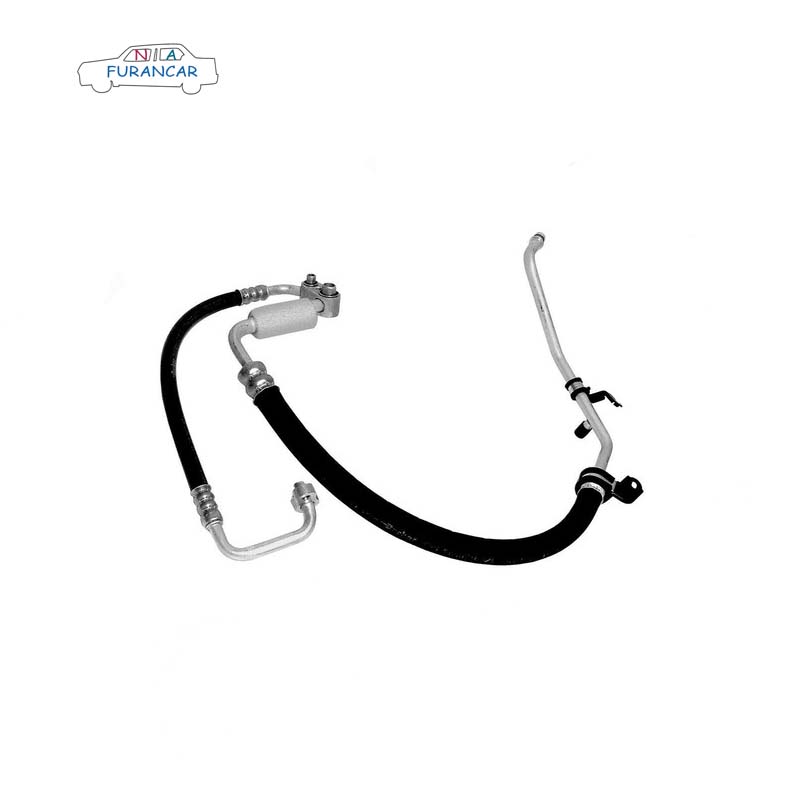
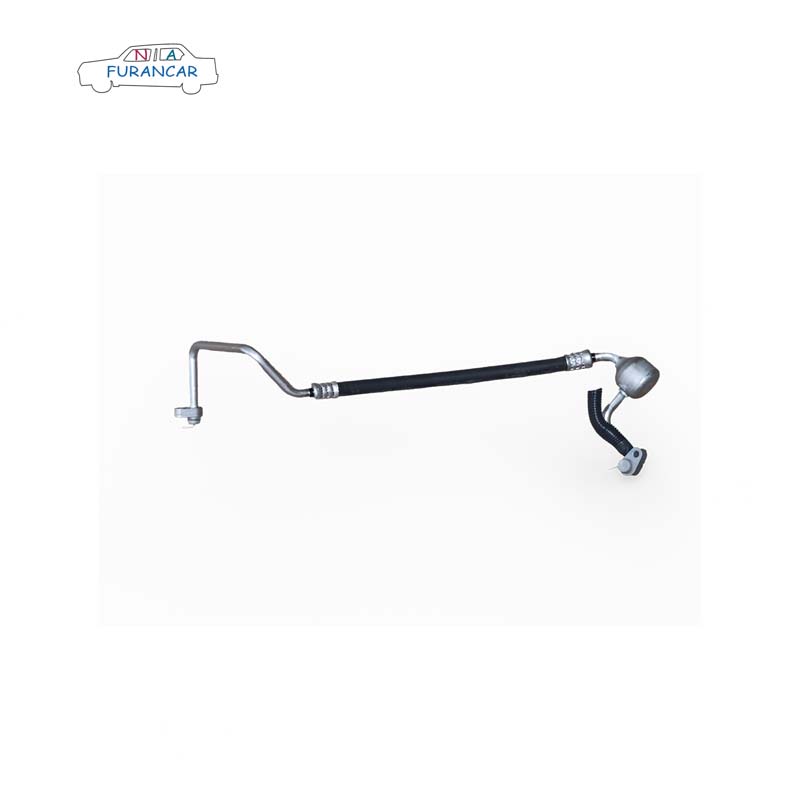
{ Air Conditioning Hose }

  • An Introduction to Automotive Air Conditioning Systems

    I. Composition of the Air Conditioning System & Introduction to Components


    Composition of the Air Conditioning System:


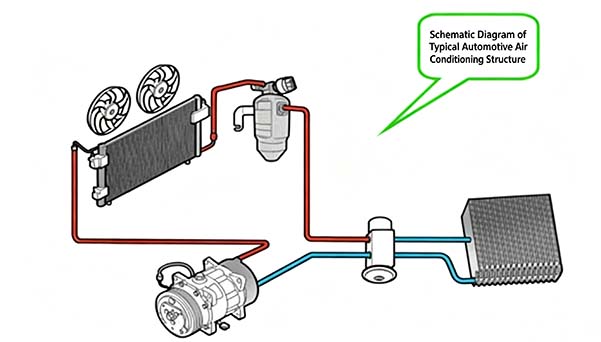
    Automotive air conditioning systems typically comprise the following components: compressor, condenser, receiver-drier, expansion valve, evaporator, blower fan, throttle valve, and ventilation system.


    Introduction to Air Conditioning System Components—HVAC Air Conditioning Assembly:


    The air conditioning unit employs mode selection dampers to direct cold or warm airflow to specific vents, such as footwell, face, or defrost outlets. Temperature control dampers blend cold and warm air to achieve the desired outlet temperature. The internal/external air mix damper regulates the proportion of cabin and external air, directly influencing temperature, air quality, and defrosting/demisting functionality.


    Introduction to Air Conditioning System Components—Condenser:

    Function of the condenser: to cool the refrigerant.

    The condenser integrated with a dryer, wherein a liquid receiver dryer is installed at the end of the refrigerant circuit within the condenser, facilitates simplified air conditioning system design and enhances the reliability of the refrigeration system.


    Introduction to Air Conditioning System Components—Compressor:

    The compressor serves as the ‘heart’ of the air conditioning system, analogous to the engine's role in a vehicle—it is the driving unit.
    In conventional air conditioning systems, the compressor is driven via an engine belt.
    The compressor must exclusively draw in and expel gaseous refrigerant.
    Its internal mechanism contains numerous moving parts, necessitating sufficient lubricating oil to lubricate these components.


    Introduction to Air Conditioning System Components—Air Conditioning Piping:

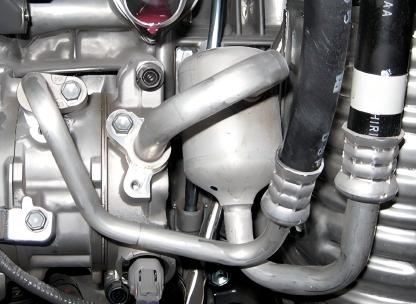
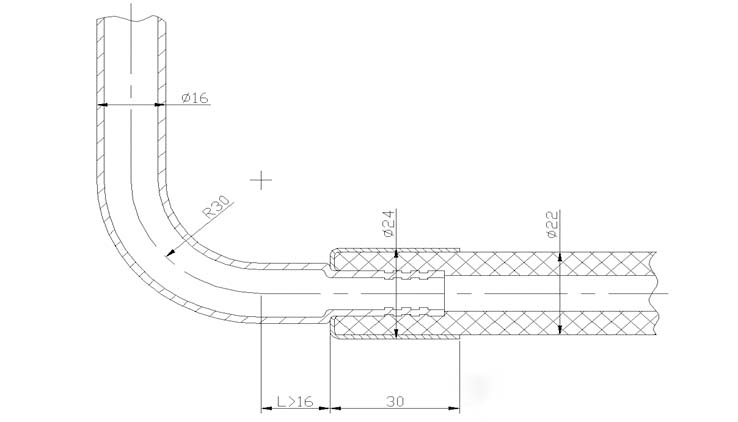
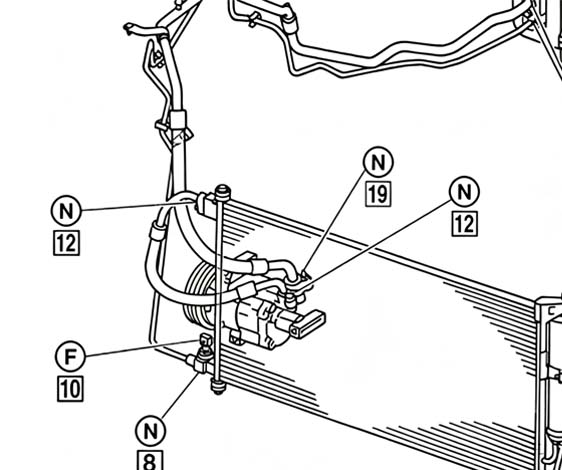
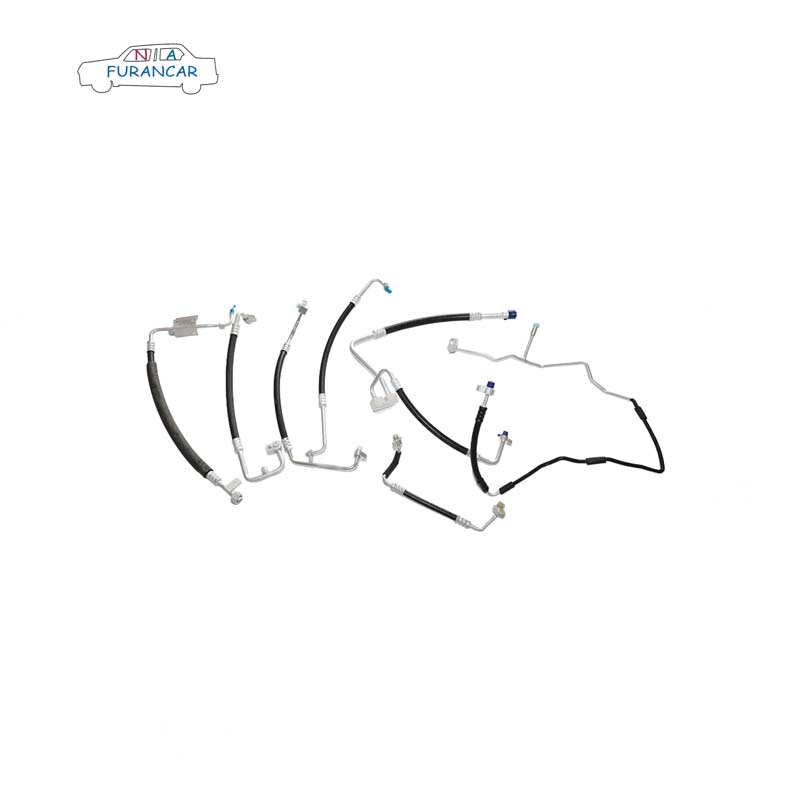
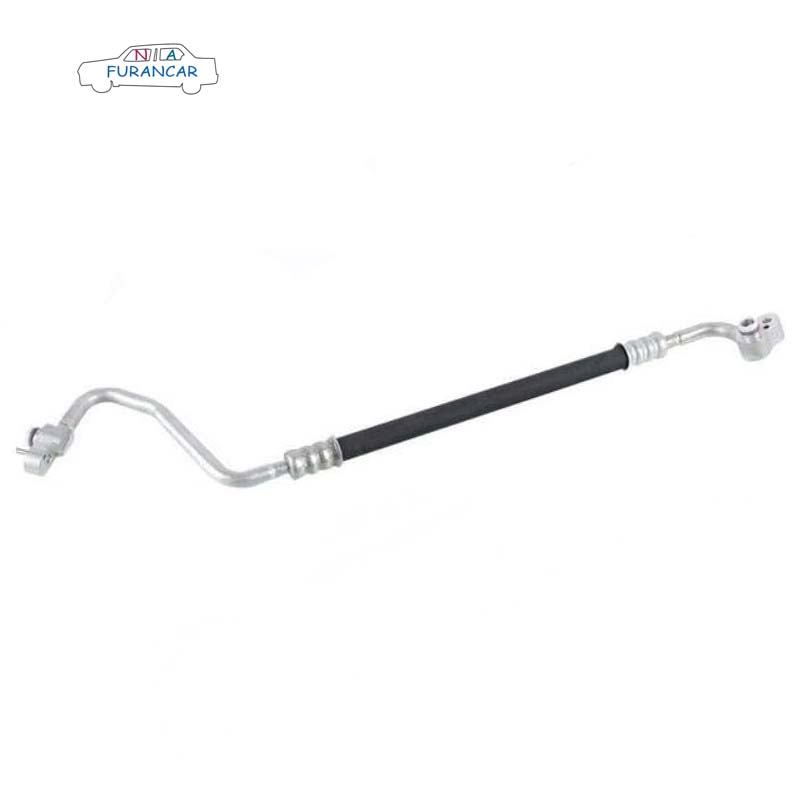
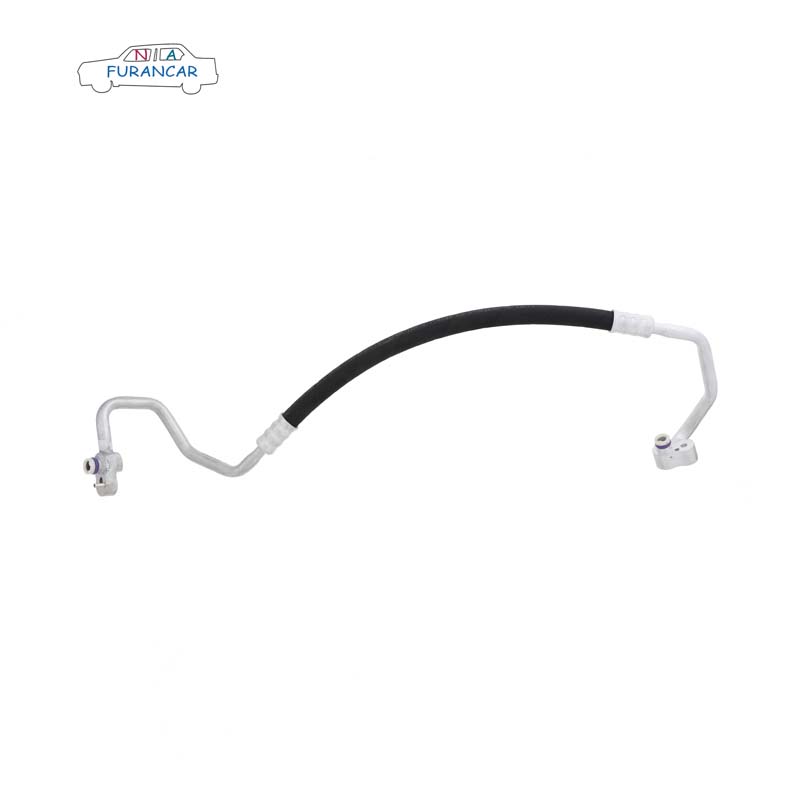
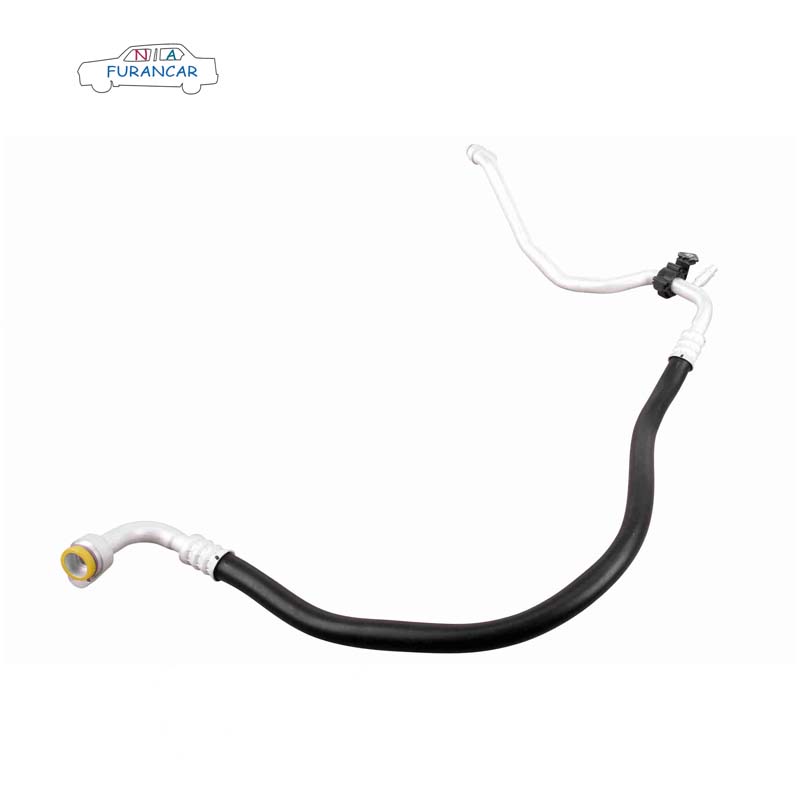
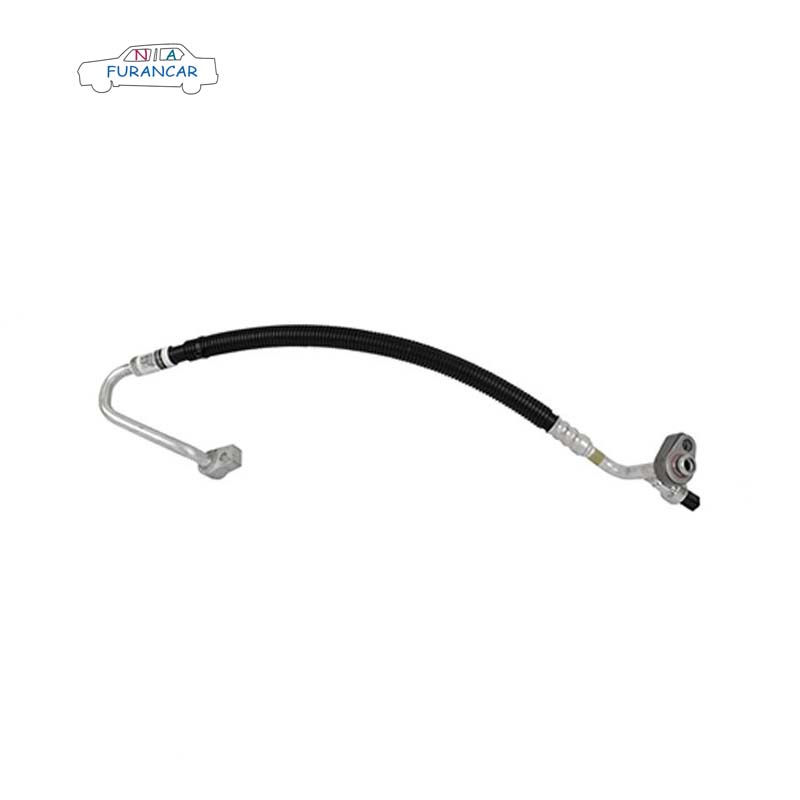
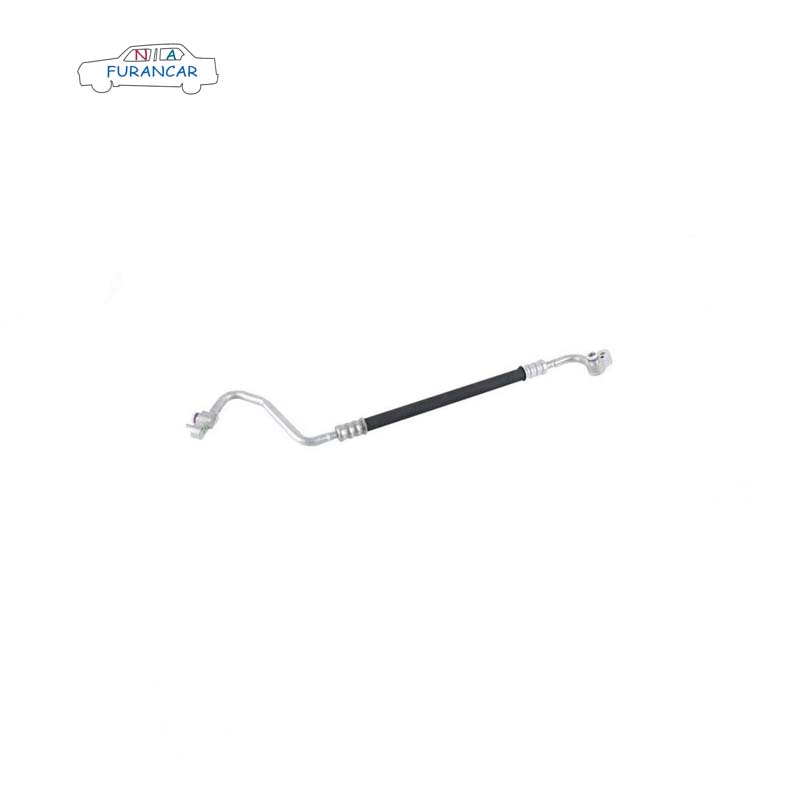
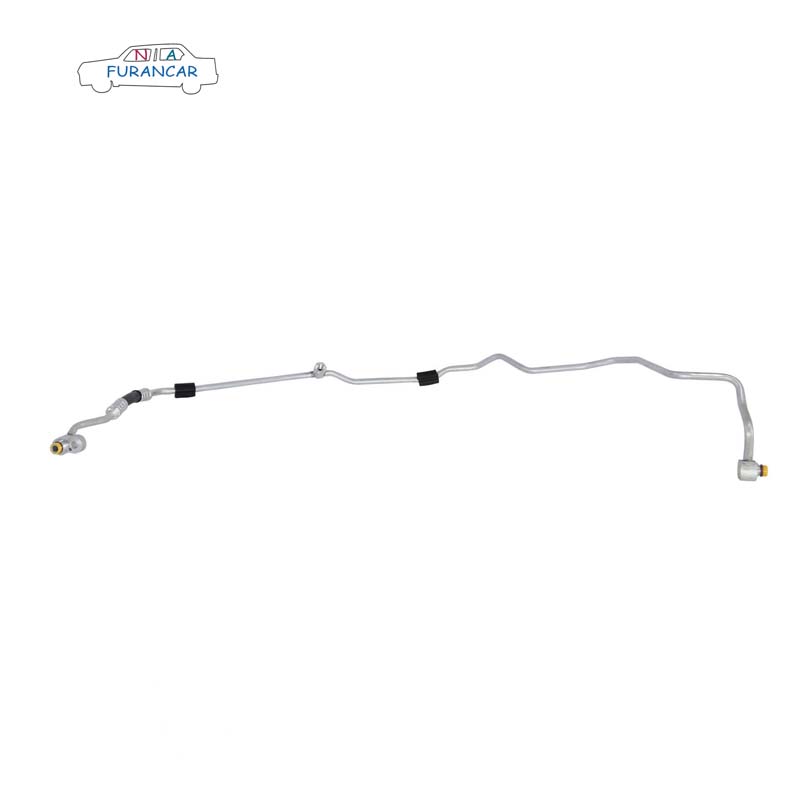
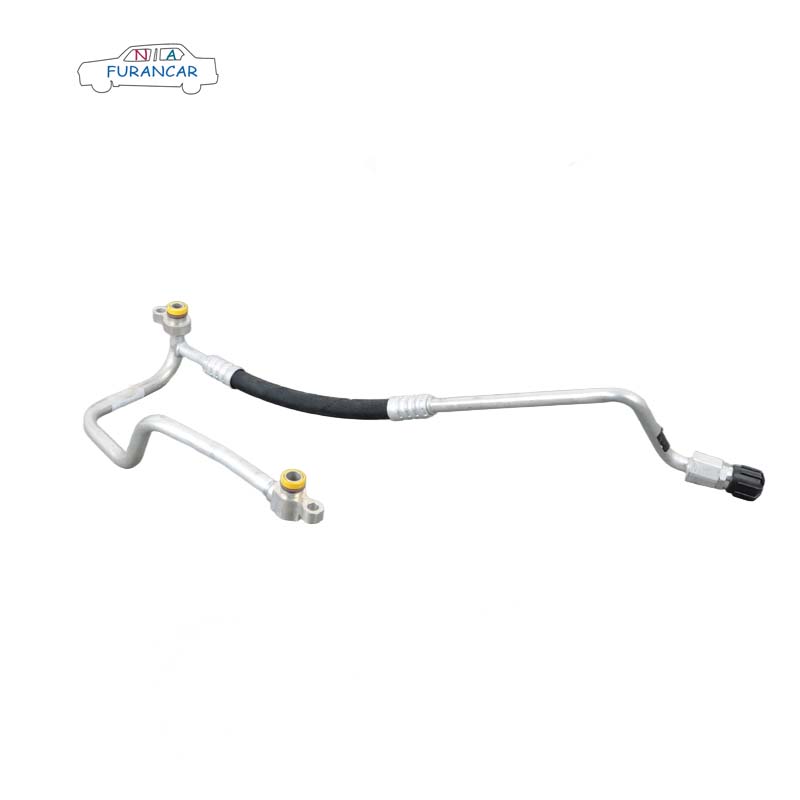
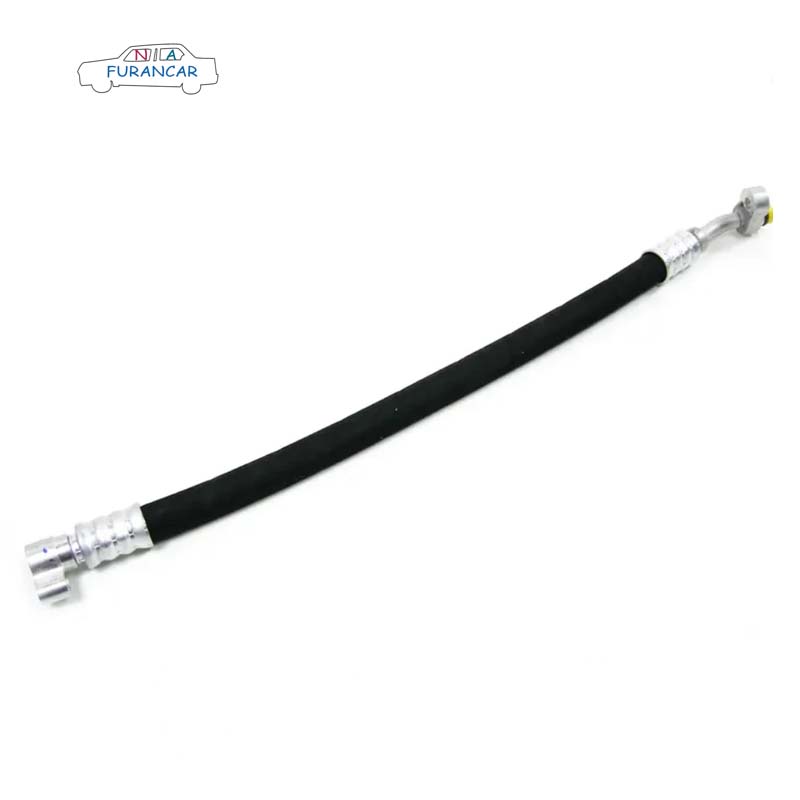
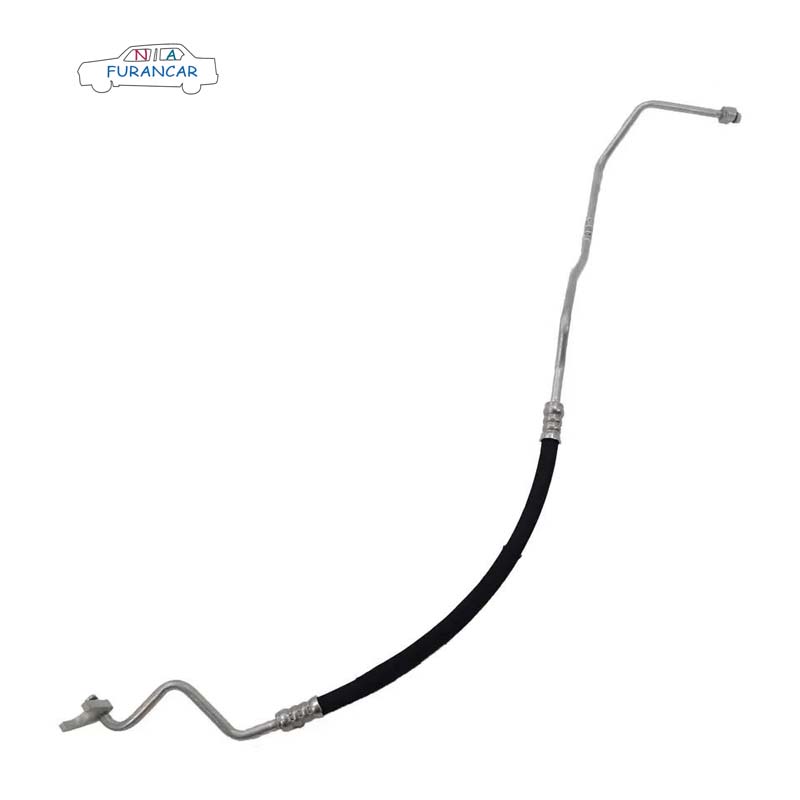
    The air conditioning piping system comprises key components such as aluminium tubing, flexible hoses, and pipe fittings, which collectively connect all elements of the air conditioning system. Aluminium tubing and flexible hoses are tightly joined via crimping techniques, though minor variations in crimp dimensions may exist between different models and manufacturers. To mitigate potential damage from engine vibration, flexible rubber hoses are employed for the lines connecting the compressor's suction and discharge ports. Their flexible design effectively absorbs vibrations, enhances system sealing integrity, and extends the service life of the piping. Many manufacturers have also developed nylon air conditioning hoses, which are utilised in mass-produced vehicle models.

    II. Refrigeration Principles of Air Conditioning Systems


    The operational principle of refrigeration systems relies upon the continuous vaporisation and liquefaction of refrigerant. The entire refrigeration cycle comprises four distinct operational stages: compression, condensation and heat release, throttling, and evaporation. During compression, the low-temperature, low-pressure refrigerant gas processed by the evaporator is compressed by the compressor into a high-temperature, high-pressure gas, which is then delivered to the condenser. During the condensation and heat release stage, the high-temperature, high-pressure refrigerant gas gradually condenses into a liquid while releasing heat. The subsequent throttling process, via the expansion valve, transforms the refrigerant from a high-pressure to a low-pressure state. Finally, the evaporation process occurs within the evaporator, where the refrigerant absorbs a significant amount of heat before re-entering the compressor, thereby achieving the cooling of the vehicle's interior.


    III. Precautions for Air Conditioning Refrigerant Pipe Assembly


    When installing air conditioning pipework and connecting components, the method of fitting and tightening joints is critical.
    When removing pipe plugs, first inspect the O-ring for integrity and apply lubricant evenly to its sealing surface. For threaded pipe joints, also apply lubricant evenly to the external threads. When applying lubricant, observe the following points: 
    The lubricant applied must be compressor-grade lubricant, PAG or equivalent grade.
    Lubricate threaded sections to prevent seizing after tightening.
    To prevent moisture absorption, promptly reseal lubricant containers after use.
    To maintain internal cleanliness of system components such as piping, remove plugs only immediately prior to installation. Refit promptly; do not leave exposed to air for extended periods.  
    Clamp-type joint connection: Insert the lubricated clamp plate's blind hole vertically through the double-ended stud. Simultaneously insert the clamp joint vertically into the corresponding mounting hole. Avoid tilting during insertion to prevent O-ring damage. Once seated with parallel faces, hand-tighten the nut until resistance is encountered. Subsequently, use a torque ratchet or wrench to tighten the bolt to specification, marking the tightened position. The tightening torque for M8 nuts is 15–20 N·m; for expansion valve nuts (M6), it is 6–10 N·m. 
    Threaded joint connection. Insert the lubricated sealing ring end into the threaded joint end. Align and insert vertically until the front face of the plug head contacts the threaded joint. Hand-tighten the nut, then secure the threaded joint end with an open-end spanner. Tighten the nut end using a torque wrench, marking the tightened position (see figure below). Tightening torque specifications: High-pressure pipe fitting (M16×1.5 threaded joint): 12–15 N·m Low-pressure pipe fitting (M24×1.5 threaded joint): 30–35 N·m.

    Note: When tightening threaded joints, it is essential to use two spanners simultaneously to avoid deformation of the pipework.


    Connection of dual clamp joints. First position the end of the high-pressure clamp within the fork slot of the low-pressure clamp. Align and push the compressor interface in parallel. Once the clamps are flattened, inspect the O-ring position for misalignment or extrusion. Hand-tighten the bolts until resistance is encountered, then use a torque ratchet or wrench to tighten to specification, marking the tightened position (see figure below). The tightening torque for the compressor tail bolts (M10×1.25×35) is 20–30 N·m.


    Supplementary Notes on Air Conditioning Pipe Installation:

    Minor damage to O-rings during pipe installation may compromise sealing integrity, leading to refrigerant leakage.
    Following installation, verify that pipes do not interfere with or exhibit free movement relative to surrounding vehicle components. Address any friction or interference promptly through adjustment, and secure pipes prone to free movement with appropriate fastenings.
    Moving components such as the engine throttle cable and oil dipstick must never be bundled together with air conditioning piping. This prevents abrasion of the air conditioning lines, which could lead to refrigerant leakage.

  • Analysis of Automotive Thermal Management Definition and Calculation Methods for the Wall Thickness of Aluminium Tubing in Air Conditioning Systems

    As the automotive industry increasingly prioritises weight reduction, fuel economy and cost-effectiveness, aluminium alloys have become the material of choice for manufacturing automotive air conditioning piping due to their light weight, high strength, excellent thermal conductivity and corrosion resistance. As a key component carrying high-temperature, high-pressure refrigerant, the safety and reliability of air conditioning piping are of paramount importance. The wall thickness of the piping is a core design parameter that determines its strength, weight, cost and durability. Excessively thin walls may lead to leaks or even ruptures under extreme operating conditions, posing safety risks; conversely, excessively thick walls increase material costs and the overall vehicle weight, running counter to the trend towards lightweighting.

    Consequently, the scientific and precise definition and calculation of the wall thickness of aluminium tubes used in automotive air conditioning systems are of paramount importance for ensuring product quality, controlling costs and enhancing vehicle performance. This report will systematically review the basis for defining wall thickness, analyse the underlying calculation theory, and present a complete calculation process from parameter selection to result analysis.

    I. Definition of Wall Thickness in Automotive Air Conditioning Aluminium Tubing and Relevant Standards

    1. Definition of wall thickness

    From a physical perspective, the wall thickness of an aluminium tube refers to the distance between its outer and inner walls, which can be simply expressed by the formula: wall thickness = (outer diameter – inner diameter) / 2. However, in engineering applications, the definition of wall thickness extends far beyond this. It is a comprehensive engineering concept, primarily divided into the following two aspects:

    Nominal wall thickness: This is the standard wall thickness value specified on design drawings for identification and ordering purposes. It is an idealised commercial specification, such as 1.0 mm, 1.5 mm, etc.

    Minimum Allowable Wall Thickness: This is the thickness that the pipework must satisfy at its weakest point, as calculated from the design and taking into account all safety factors. Due to unavoidable dimensional deviations (tolerances) during the manufacturing process, the actual wall thickness of the product will vary from the nominal wall thickness. Therefore, the core objective of the design is to ensure that, even under the maximum negative tolerance, the actual wall thickness remains greater than or equal to the calculated minimum allowable wall thickness.


    2. International automotive industry standards (SAE/ISO)

    SAE (Society of Automotive Engineers): The SAE has published a large number of standards relating to automotive components. For example, SAE J2064 is a standard concerning high-quality air conditioning hoses,. Although no SAE standard specifically addressing the calculation of wall thickness for rigid aluminium tubing was found in the search results, relevant standards set out clear requirements for the system’s pressure rating and performance characteristics (such as pressure resistance). These requirements, in turn, influence the design inputs for wall thickness.

    ISO (International Organisation for Standardisation): Similar to SAE, ISO also has standards relating to piping and pressure; for example, ISO 8434-2 defines the pressure ratings for pipe fittings. However, once again, no specific ISO standard has been found that directly addresses the calculation of wall thickness for aluminium tubing used in automotive air conditioning systems.

    Overall, the definition of wall thickness for aluminium tubes used in automotive air conditioning systems is a multi-standard, multi-tiered process. It is guided by specialised standards such as T/QCKT 003-2011, whilst drawing on the design principles of general-purpose pressure piping standards such as GB/T 20801 and ASME B31.3 for specific calculation methods.


    II. Theoretical Basis and Key Parameters for Wall Thickness Calculations

    1. Core computational principles

    An aluminium tube for automotive air conditioning is essentially a thin-walled cylinder subjected to internal pressure. The fundamental purpose of calculating its wall thickness is to ensure that the hoop stress generated in the tube wall material remains below the material’s allowable stress under all operating conditions.

    The most fundamental and widely used calculation model is derived from the theory of thin-walled pressure vessels; its simplified formula (also known as a variant of the Barlow formula) is as follows:

    δ = (P × D) / (2 × [σ]) + C

    Where:

    •  δ (or t): The minimum wall thickness required for the calculation (mm)

    •  P: The design pressure of the piping (MPa)

    •  D: The outer or inner diameter of the piping (mm); this varies slightly depending on the specific formula used, but the outer diameter is typically employed for conservative calculations

    •  [σ] (or S): The allowable stress of the material at the design temperature (MPa)

    •  C: Wall thickness allowance due to factors such as corrosion, erosion or machining (mm); for internally clean air-conditioning systems, this value can usually be taken as 0

    •  More complex formulas, such as those provided in ASME B31.3, also introduce factors such as the weld joint factor (W), the mass factor (E) and the material-specific temperature correction factor (Y).                     t = (P × D) / (2 × (S × E × W + P × Y))

    These factors make the calculation results more accurate and safer, but the basic principle remains unchanged.


    2. Analysis of key input parameters

    Accurate wall thickness calculations depend on precise input parameters.

    Design Pressure (P):

    Design pressure is one of the most critical input parameters in wall thickness calculations. It is not simply the average operating pressure of the system, but rather the most severe pressure value the system is likely to encounter over its service life, with a safety margin added to this value.

    Pressure zones: A vehicle’s air conditioning system is divided into a high-pressure side and a low-pressure side. The high-pressure circuit (from the compressor outlet to the expansion valve) is subjected to higher pressures.

    Pressure range:

    •  The operating pressure on the low-pressure side is typically between 0.15 and 0.25 MPa (1.5–2.5 bar).

    •  The operating pressure on the high-pressure side is typically between 1.3 and 1.7 MPa (13–17 bar), but varies significantly depending on factors such as ambient temperature, engine speed and refrigerant charge.

    •  Industry standards and practical testing indicate that the operating pressure on the high-pressure side should not be less than 3.5 MPa. Some standards even require a leak-free pressure hold test at 3.53 MPa.

    Basis for selection:

    Consequently, when calculating the wall thickness of high-pressure pipes, the design pressure (P) is typically set at a value significantly higher than the average operating pressure—for example, 4.0 MPa or even higher—to account for all possible transient peak pressures and to provide the safety margin required by standards.

    Allowable stress ([σ] or S):

    The allowable stress is the maximum stress a material can withstand without undergoing permanent deformation or failure. It directly reflects the material’s ‘resistance’.

    Common materials:

    Aluminium tubes for automotive air conditioning systems are typically made from aluminium alloys that offer good strength and machinability, such as 3103-H12, 6063-T6 and 6061-T6.

    Strength criteria:

    Allowable stresses are typically determined based on the material’s yield strength or ultimate tensile strength (UTS). Yield strength is the critical point at which a material begins to undergo plastic deformation; it is the more conservative and commonly used design criterion.

    Mechanical Properties of 6061-T6: According to the data, the typical mechanical properties of 6061-T6 aluminium alloy are:

    •  Minimum yield strength: approx. 240–241 MPa (35,000 psi)

    •  Minimum ultimate tensile strength: approx. 290 MPa (42,000 psi)

    Safety factor:

    The allowable stress is not simply the yield strength; rather, it is calculated by dividing the yield strength by a safety factor (SF). The value of the safety factor depends on the criticality of the application, the uncertainty of the load, the consistency of material quality, and the requirements of the relevant standards; it typically ranges from 1.5 to 3.0. [σ] = Yield strength / Safety factor

    Temperature effects:

    The allowable stress of a material varies with temperature. Although the operating temperature range of air conditioning piping (-40°C to +125°C) has a relatively minor effect on the strength of aluminium alloys compared to steel, it is still necessary to consult the allowable stress data tables for the relevant materials at the design temperature when carrying out precision design work.

    III. Example of the calculation process for the wall thickness of aluminium tubes in car air conditioning systems

    1. Preliminary Remarks

    Important Notice: Following a comprehensive analysis of the search results provided, no publicly available sources have been found that offer a complete, official example of aluminium tube wall thickness calculations for automotive air conditioning systems, including specific input data and output results. Such calculations typically form part of the internal core design processes and intellectual property of original equipment manufacturers (OEMs) or Tier 1 suppliers.

    Consequently, this section will construct a logically rigorous and data-reasonable hypothetical calculation example based on the aforementioned theoretical foundations and data collated from search results. The aim is to clearly demonstrate the entire process of wall thickness calculation, rather than to provide a ‘standard answer’ that can be directly applied.


    2. Calculation Scenario

    Subject of calculation: Aluminium tubing on the high-pressure side of a passenger car air conditioning system.

    Outer diameter (D) of the tubing: 12.0 mm (a common specification).

    Tubing material: 6061-T6 seamless aluminium alloy tubing.


    3. Selection and rationale for input parameters

    Design pressure (P):

    Basis: Given the significant fluctuations in operating pressure on the high-pressure side, and in accordance with industry standards requiring a pressure resistance of no less than 3.5 MPa, and to address pressure surges caused by system anomalies (such as cooling fan failure), we have selected a conservative design pressure.

    Value: P = 4.2 MPa (this value is also close to the maximum operating pressure specified in QC/T 669-2019)

    Allowable stress ([σ]):

    Basis: The material is 6061-T6, which has a minimum yield strength of approximately 241 MPa at room temperature. Given the stringent safety requirements for automotive components and the complex operating conditions, such as vibration and thermal cycling, we have selected a relatively conservative safety factor (SF). We assume SF = 2.5.

    Calculation and values:

    [σ] = yield strength / SF = 241 MPa / 2.5 = 96.4 MPa
    [σ] = 96.4 MPa

    Other specifications:

    Outer diameter (D): 12.0 mm

    Corrosion allowance (C): As automotive air-conditioning systems are sealed, clean systems, the risk of internal corrosion is extremely low. Therefore, C is taken as 0 mm.

    4. Calculation Procedure

    Step 1: Select the calculation formula
    For clarity, we shall use the simplified Barlow’s formula mentioned earlier, which is sufficient for preliminary engineering design:

    δ_min = (P × D) / (2 × [σ]) + C


    Step 2: Substitute the values to perform the calculation
    Substitute the selected parameters into the formula:
    δ_min = (4.2 MPa × 12.0 mm) / (2 × 96.4 MPa) + 0
    δ_min = 50.4 / 192.8
    δ_min ≈ 0.261 mm
    Step 3: Interpretation of Results
    The calculated result, δ_min ≈ 0.261 mm, indicates that, in theory, for this aluminium tube to safely withstand the design pressure of 4.2 MPa, the wall thickness at any point must not be less than 0.261 mm.


    5. Analysis of Results and Final Selection

    The calculated value of 0.261 mm is merely the theoretical minimum wall thickness and must under no circumstances be taken directly as the final nominal wall thickness. The following key factors must also be taken into account: Manufacturing tolerances: During the extrusion or drawing process, there will be a certain degree of variation in the wall thickness of aluminium tubes. Assuming, in accordance with a certain standard (for example, T/QCKT 003-2011, for which specific values are unavailable), the wall thickness tolerance is ±10%. This implies that, to ensure the thinnest point is no less than 0.261 mm, the nominal wall thickness (t_nominal) must satisfy:


    t_nominal × (1 - 10%) ≥ 0.261 mm

    t_nominal × 0.9 ≥ 0.261 mm

    t_nominal ≥ 0.261 / 0.9

    t_nominal ≥ 0.29 mm
    Process requirements:


    In addition to strength, the wall thickness must also meet process requirements such as tube bending and joint connections (e.g. flaring, welding). Tubes with excessively thin walls are prone to wrinkling or cracking during bending.

    Vibration fatigue resistance:

    Automotive tubing is subjected to prolonged vibration, requiring sufficient wall thickness to resist fatigue failure. This is typically verified through extensive bench testing and CAE simulation, rather than through static pressure calculations alone.

    Standardised Selection:

    Aluminium tube manufacturers generally produce only standard specification series, such as 0.5 mm, 0.8 mm, 1.0 mm, 1.25 mm, 1.5 mm, etc.


    Final decision:
    Taking all the above factors into account, even if the calculated minimum wall thickness is only 0.29 mm (taking tolerances into account), the engineer would never opt for such an extreme wall thickness. Instead, they would select a wall thickness from standard specifications that not only meets the strength requirements but also strikes the optimal balance between manufacturability, fatigue resistance and cost. In this case, 1.0 mm or 1.25 mm would be more realistic and reliable nominal wall thickness options. This choice ensures a very high safety margin to account for dynamic loads and uncertainties not fully covered by the computational model.

    IV. Conclusions and Future Research Directions

    The wall thickness of aluminium tubes for automotive air conditioning is not defined by a single numerical value, but is instead governed by specific standards such as ‘Aluminium Tubes and Assemblies for Automotive Air Conditioning’ (T/QCKT 003-2011), which specify general performance requirements. The minimum permissible values are determined through engineering calculations based on general pressure piping theory (e.g. GB/T 20801, ASME B31.3), and the minimum permissible values are determined through engineering calculations. The nominal values are ultimately selected by taking into account manufacturing processes, costs and standardised specifications.

    Key elements of the calculation: The essence of wall thickness calculation lies in strength verification based on the principles of materials mechanics. The most critical input parameters are the design pressure (P) and the allowable stress of the material ([σ]). Determining these parameters requires a thorough understanding of the system’s operating conditions and the application of appropriate safety factors.

    This study indicates that specific tables of wall thickness values, tolerance ranges and detailed official calculation examples are extremely difficult to obtain through public channels. This information largely constitutes the core technical assets of automotive manufacturers and component suppliers.

    Combining theory and practice: The minimum wall thickness derived from theoretical calculations is merely the starting point for the design. The final selection of wall thickness is a comprehensive decision-making process that must take into account practical factors such as manufacturing tolerances, bending processes, resistance to vibration and fatigue, and standardised supply.

  • Automotive Thermal Management Analysis - Air Conditioning Hose Assembly and Design Issues

    Design considerations must encompass not only manufacturing processes but also the ease of assembly for OEMs. During the trial production phase of a new automotive model, frequent assembly difficulties arose with the air conditioning refrigeration piping, leading to substantial redesign costs later on. By implementing synchronous engineering for final assembly, virtual assembly analysis and design constraints were applied during the development of the refrigeration piping. This approach effectively reduced production costs during final assembly and enhanced manufacturing efficiency. This paper outlines the assembly and design challenges encountered in synchronous engineering analysis for air conditioning refrigerant piping, along with corresponding solutions. It offers valuable guidance for the development of refrigerant piping systems in new vehicle models.

    Introduction to Synchronous Engineering for Final Assembly


    Synchronous Engineering (SE) for final assembly refers to the process whereby final assembly processes participate concurrently in the design and development stages of automotive development. It primarily involves conducting process analyses of assembly digital models, production lines, equipment, and assembly procedures, thereby providing feasible process design modifications for the design team. Its primary purpose is to identify and address potential issues in product design during the drawing design and digital model generation stages. This enables proactive measures to be taken against potential problems during process implementation, ensuring new vehicle models possess production feasibility and equipment/tool compatibility.


    Air Conditioning Pipe Assembly and Design


    1. Composition of the Automotive Front Compartment Air Conditioning Refrigerant Piping System


    The air conditioning refrigerant piping primarily comprises the air conditioning high/low-pressure pipe assembly, air conditioning exhaust pipe assembly II, air conditioning exhaust pipe assembly I (which may be integrated with assembly II depending on assembly feasibility), air conditioning low-pressure pipe assembly I, and air conditioning high-pressure pipe assembly I (which may be integrated with the high/low-pressure pipe assembly depending on assembly feasibility). 


    2. Design and Assembly Issues in Air Conditioning Refrigerant Piping


    (1) At the connection point between the high/low-pressure pipe assemblies and the HVAC expansion valve, the foam gaskets integrated into the high/low-pressure pipes are excessively thick and rigid. This causes significant interference with the front panel, making pipe assembly difficult.


    (2) The air conditioning high/low-pressure pipe assembly incorporates its own mounting brackets (secured to the fuselage side panels and longitudinal beams). The mounting holes are circular, with insufficient clearance allowance for X-axis hole offset. Due to precision fit requirements and cumulative tolerances, bolt holes may fail to align correctly.


    (3) The air conditioning refrigeration lines are connected via bolts and nuts. During prototyping, insufficient operating space for tightening tools (such as impact wrenches) may occur. Interference persists even when short sockets are used as replacement tightening tools.


    (4) During assembly of the pipe joint clamping plate, refrigeration oil cannot be applied, resulting in refrigerant leakage upon completion. The connection between the air conditioning high- and low-pressure pipe assemblies lacks a flexible hose section, making rigid pipe connection difficult and prone to deformation.


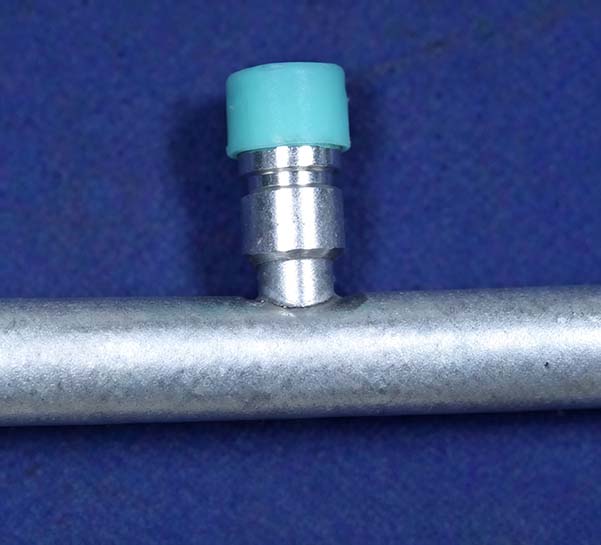
    (5) The pipework design is suboptimal, frequently resulting in issues such as abnormal noises and inadequate assembly rationality. For instance, the pipework routing does not sufficiently hug the engine compartment, and the air conditioning filling port is positioned too low to permit refilling.


    3. Design Constraints for Air Conditioning Refrigeration Piping


    Design constraints are binding specifications derived from the compilation of recurring issues encountered during the introduction and prototyping of new vehicle models. They serve to identify areas requiring improvement in subsequent product designs. In response to the aforementioned assembly issues, the following design constraints are established:


    (1) The foam material within the pressure plate at the connection point between the high/low-pressure air conditioning pipe assembly and the HVAC expansion valve shall be specified as PUR material, with a thickness preferably less than 15mm.


    (2) On the air conditioning high/low pressure pipe assembly bracket, all mounting holes except the primary locating hole shall be elliptical in the X-direction (e.g. 8×10, subject to bolt specifications) to accommodate cumulative tolerances. The bracket connection points to the vehicle body must incorporate anti-rotation restraints (e.g., locking clips) to prevent bracket rotation during bolt torque tightening, which could cause duct deformation. Air conditioning duct brackets must be positioned on rigid pipe sections to avoid scratching flexible hoses.


    (3) During initial data design, allowance must be made for operational clearance when tightening pipe connections. When using an elbow gun, the riveting head must be positioned more than 85mm from the stud tail; when using a straight gun, the riveting head must be positioned 40mm from the stud tail.


    (4) For pipe joints, the male end must face upwards in the Z-direction (no requirement in the X-direction) to facilitate application of refrigeration oil. Rigid pipes must not connect directly to other rigid pipes; one connection must incorporate a flexible hose transition. Sealing at the joint must be correctly managed, such as by adding a sealing gasket.


    (5) Above the high- and low-pressure filling ports of the air conditioning pipe assembly, a clearance of 50mm diameter and 250mm height must be maintained free of obstructions. Additionally, the spacing between the high- and low-pressure filling ports must be appropriately arranged (determined by the size of the filling gun nozzle).


    Conclusion


    This paper summarises common issues encountered during the final assembly of refrigeration piping systems for automotive air conditioning units. By implementing concurrent engineering during the early stages of new model introduction, SA constraints were incorporated into the design phase. This approach mitigated deficiencies in product design, optimised the manufacturability of final assembly processes, and reduced production costs for the enterprise. Furthermore, it provides valuable guidance for the development of refrigeration piping systems in future vehicle models.


  • Design Requirements and Failure Mode Analysis for Automotive Air Conditioning Piping

    |

    With the rapid development of the automotive industry, automotive air-conditioning systems have significantly enhanced driving and passenger comfort, and there is growing emphasis on their functional requirements and technological innovation. The performance of the air-conditioning system relies on the connections within the piping system, such as high-pressure and low-pressure lines; consequently, the design requirements for air-conditioning piping are of particular importance. This paper explores the technical development process of air conditioning piping by providing a detailed overview of the composition, operating principles, piping design, manufacturing processes and testing requirements of automotive air conditioning systems. Furthermore, it analyses common failure modes in automotive air conditioning piping and proposes corresponding corrective measures and maintenance recommendations, thereby providing a reference for future project development and design.


    Introduction

    As a vital component of a vehicle’s interior, the air conditioning system enhances the comfort of both driver and passengers and plays a significant role in the vehicle’s overall performance. The air conditioning piping, as the core component of this system, acts much like the ‘blood vessels of the human body’, connecting key components such as the compressor, condenser, evaporator and expansion valve to form a closed-loop system. This ensures the orderly flow of refrigerant within the system, thereby enabling the air conditioning system to provide both cooling and heating functions.

    With the rapid development of the Chinese automotive market, consumers are placing ever-higher demands on the performance, reliability and energy efficiency of vehicle air-conditioning systems. The design, manufacture and maintenance of vehicle air-conditioning piping systems present numerous challenges, necessitating continuous innovation and optimisation. A thorough examination of the relevant technologies and solutions for vehicle air-conditioning piping systems is of significant practical importance for enhancing the overall performance of these systems, reducing energy consumption, minimising failure rates and improving the user experience.

    912000310


    An Overview of Automotive Air Conditioning Systems

    1. Components and Operating Principles of the Car Air Conditioning System

    A vehicle’s air conditioning system primarily consists of a compressor, cooling fan, condenser, blower, desiccant drier, air conditioning piping, evaporator, expansion valve and refrigerant. In new energy vehicles equipped with liquid-cooled battery packs, a radiator is also required.


    The primary function of a vehicle air conditioning system is to provide cooling and heating, ensuring a comfortable environment for passengers inside the vehicle. The cooling process of the air conditioning system primarily comprises compression, condensation, throttling, evaporation and circulation. Firstly, the compressor compresses the low-temperature, low-pressure gaseous refrigerant into a high-temperature, high-pressure gas, which is then fed into the condenser. Secondly, within the condenser, the refrigerant is cooled and liquefied, transforming into a medium-temperature, high-pressure liquid, before flowing into the receiver-drier for storage and drying. Next, after passing through the expansion valve where pressure is reduced, the refrigerant becomes a low-temperature, low-pressure liquid and enters the evaporator. Finally, within the evaporator, the refrigerant boils and absorbs heat, cooling the air flowing through it and thereby achieving the cooling effect; the gaseous refrigerant is then drawn back into the compressor, completing a cycle. During the cooling process, the air conditioning piping provides a flow path for the refrigerant.


    The heating mechanisms in automotive air conditioning systems primarily involve utilising engine waste heat and employing independent heating units. Traditional petrol and diesel vehicles mainly rely on the heat generated by the engine, whereas new energy vehicles utilise PTC thermistors for heating.


    2. Functions and classifications of automotive air conditioning piping

    Air conditioning piping plays a crucial role in automotive air conditioning systems by connecting various components and conveying refrigerant, ensuring the smooth circulation of refrigerant within the system. Automotive air conditioning piping assemblies can be categorised into compressor piping assemblies, condenser piping, heater core piping and ventilation system piping, amongst others. Automotive air conditioning piping can be classified by material into copper tubing, aluminium tubing and rubber hoses; by pressure into high-pressure and low-pressure lines; and, based on the state of the refrigerant during the cycle, into gas-phase and liquid-phase lines.


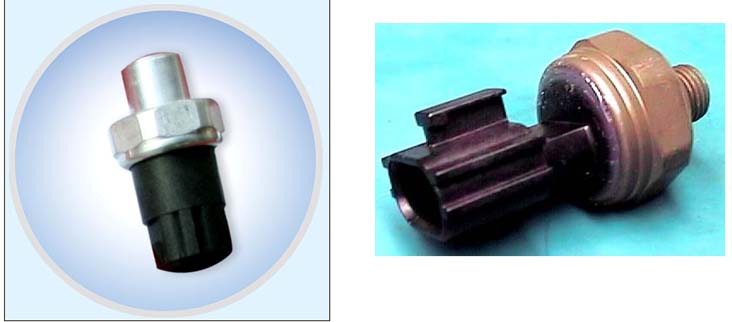
    As aluminium tubing is lightweight, it plays a positive role in automotive weight reduction design; consequently, aluminium tubing is now widely used in automotive air conditioning systems. Automotive air conditioning piping systems primarily consist of aluminium tubing, fittings (clamps, connectors, nuts, etc.), flexible hoses, corrugated hoses, aluminium sleeves, charging ports, O-rings, pressure switches and plastic caps. To ensure that the air conditioning refrigerant does not leak, the quality of the piping fitting design is of paramount importance. Fittings in automotive air conditioning piping are key to ensuring airtightness; the main types of fittings currently in use are threaded connections and clamp connections.


    Threaded connections involve joining aluminium tubes to one another, or aluminium tubes to other components, using nuts and external threads. Clamp connections use clamps and bolts to secure pipe joints tightly together, ensuring both sealing and stability. When tightening threads, the hose may become twisted; hoses subjected to torsional shear stress are prone to premature fatigue failure, and this torsional force also tends to cause the joint to loosen. Consequently, clamping structures are now preferred for air conditioning piping.

    64509181882


    Design Requirements for Automotive Air Conditioning Piping

    1. Requirements for the installation and routing of automotive air conditioning pipes

    Automotive air conditioning pipework is subject to vibration, impact and temperature fluctuations whilst the vehicle is in motion; therefore, the secure installation of the pipework is of paramount importance. Proper securing prevents loosening, wear and leakage, ensuring the normal operation and long-term reliability of the air conditioning system. Where two pipes run parallel to one another, welded nut holes are typically designed at suitable positions on the front bulkhead outer panel, and multi-pipe clamps are used to secure the pipework, with fixing points generally spaced at intervals of 300 mm. At the same time, cable ties are often used to assist with securing the lines. For rigid pipes, the distance between two fixing points should be between 100 and 400 mm to prevent excessive vibration caused by overly long sections. The addition of fixing points on flexible hoses should be minimised to reduce stress and wear on the hoses. Additional fixing points should be added at bends to ensure stability at these points.


    When designing air conditioning ductwork, a series of layout requirements must be met. The angle of bends in rigid ducting should be greater than 90°; the bend radius should be 1.5 to 2 times the diameter of the duct; the minimum straight section following a bend should be no less than 15 mm; and the connection between flexible and rigid ducting should be greater than 35 mm. The clearance between the ductwork and surrounding components should be no less than 6 mm to prevent wear caused by contact between the ductwork and surrounding components.


    3. Testing requirements for air conditioning ductwork

    To prevent refrigerant leaks during the circulation process, automotive air-conditioning systems must meet stringent airtightness requirements; during the design and development phase, numerous tests must be conducted to verify the soundness of the design, if the test is passed, this indicates that the airtightness of the piping meets the requirements.

    64531504536


    Failure Mode Analysis of Automotive Air Conditioning Piping

    According to relevant statistics, faults in air conditioning systems caused by incorrect refrigerant charging rank as the most common issue, with leaks at the joint between the evaporator outlet pipe and the compressor suction pipe accounting for as much as 90% of these cases. Consequently, the primary failure mode in automotive air conditioning piping is refrigerant leakage at the joints, which is attributed to the following specific causes.


    1. Ageing of pipework

    After prolonged use, the rubber components of a car’s air conditioning system gradually age, harden and crack, leading to refrigerant leaks through these fissures. As the air conditioning pipes are mainly located in the engine compartment, where they are constantly exposed to high temperatures and vibrations, the ageing process is accelerated.


    2. Loose connection

    The joints in the air conditioning pipework may become loose whilst the vehicle is in motion, due to vibrations and other factors. Should a joint become loose, the seal will be compromised, making it likely for refrigerant to leak from the joint.


    3. Component failure

    Components in an air-conditioning system, such as the compressor, condenser and evaporator, can also cause refrigerant leaks if their internal seals are damaged or if the components themselves develop defects such as cracks or pinholes. For example, a damaged shaft seal on the compressor can cause refrigerant to leak from the seal into the external environment.


    4. Traumatic injury

    Whilst the vehicle is in motion, the air conditioning pipes may be subjected to external forces such as impacts from stones or scrapes from branches, which can cause damage to the pipes and result in refrigerant leaks. Furthermore, improper handling during vehicle maintenance and servicing may also damage the air conditioning pipes.


    5. Abnormal pressure

    If the pressure in an air-conditioning system is too high or too low, it can damage the pipework and components, increasing the risk of refrigerant leaks. For example, if non-condensable gases such as air enter the refrigeration system, this can cause the system pressure to rise excessively, leading to the failure of seals in the pipework or components and resulting in refrigerant leaks.


    To prevent refrigerant leaks caused by the above factors, the following points should be observed. Firstly, during vehicle use, the exterior of the air conditioning piping should be inspected regularly for signs of ageing, cracking or damage, particularly at bends in the piping and in areas close to heat sources such as the engine. Secondly, the pipe joints should be checked frequently for looseness or leaks; this can be done by applying soapy water to check for the formation of bubbles, which indicates a leak. Furthermore, the operational status of all components within the air conditioning system should be checked regularly, such as whether the compressor is running normally and whether there is abnormal frost build-up on the condenser or evaporator. Finally, the air conditioning system should be used correctly in accordance with the vehicle’s owner’s manual. Avoid running the air conditioning for extended periods whilst the engine is not running, as this places an unnecessary strain on the compressor. Finally, during vehicle servicing, ensure the air conditioning system is properly maintained. This includes replacing the air filter to keep the system clean, preventing dust and other contaminants from entering the system, which could impair cooling performance and damage components. Furthermore, during vehicle repairs, take care to avoid damaging the air conditioning pipes and components. If it is necessary to remove the air conditioning pipes, follow standard operating procedures; after removal, protect the pipe joints and other areas to prevent foreign objects from entering.

    A1698301715


    Conclusion

    This paper explores the technical development process of air conditioning piping by providing a detailed overview of the composition, operating principles, piping design, manufacturing processes and testing requirements of automotive air conditioning systems. Furthermore, by analysing and addressing leakage issues in air conditioning pipe joints, it proposes corresponding corrective measures and maintenance recommendations, thereby providing a reference for future project development and design. The technical development of air conditioning piping and the resolution of leakage issues not only affect the performance of the air conditioning system but also directly impact passenger comfort and the overall quality of the vehicle. Therefore, the design, fabrication and maintenance of air conditioning piping should be given due attention.

  • Is your car’s air conditioning pipe leaking? Find out what causes this problem

    |

    Car air conditioning, an indispensable ‘must-have’ for driving in the sweltering summer heat, provides us with a comfortable environment whilst on the road.

    If the compressor is the heart of the air-conditioning system, then the vehicle’s air-conditioning piping is its circulatory system, connecting the various air-conditioning components scattered throughout the vehicle to form a complete and efficiently functioning air-conditioning system.


    Car air conditioning pipework typically consists of aluminium pipes, flexible hoses and other fittings.


    Unlike other car components, air conditioning pipes do not need to be replaced very often, which means they are easily overlooked; as a result, some car owners fail to notice leaks in the pipework in good time.

    Generally speaking, there are typically two causes of leaks in air conditioning pipes: 

    •  A blockage in the air conditioning system’s circuit, leading to prolonged high-temperature and high-pressure conditions between the compressor and the condenser, causing the PA layer on the inner wall of the rubber pipe to age and crack.  
    •  During the crimping of the aluminium sleeve, if the pipe is not positioned correctly, gas can escape from the top of the crimped area into the braided layer, penetrating the rubber layer and causing a general leak. This phenomenon is also known as a gas leak.

    Although air conditioning hoses do not need to be replaced very often, over time they can accumulate dirt and grime that is difficult to clean out; it is therefore advisable to fit new ones. When replacing air conditioning hoses, be sure to choose products of guaranteed quality to avoid system faults caused by substandard hoses.