• Top Tips for Boosting Automotive Spray Booth Efficiency


    You need your automotive spray booth to function effectively every time. This ensures your shop stays on track and operates smoothly. Many shops encounter similar issues that can hinder productivity or compromise safety. These challenges include maintenance, the layout of the body shop, lighting, storage, and the paint process. The table below outlines some common problems that can reduce the efficiency of your automotive paint booths:

    Challenge Type Description
    Maintenance Taking care of paint booth filters is crucial for safety and ensuring the booth operates effectively.
    Body Shop Layout The arrangement of your shop can slow down operations; placing items in optimal locations helps work progress faster.
    Proper Lighting Improved lighting aids in color matching and enhances the quality of paint jobs, contributing to smoother operations.
    Safety and Storage Adequate storage for flammable and toxic materials keeps personnel safe and facilitates quicker work completion.
    Paint and Refinish Process The methods you use to paint and finish vehicles can significantly impact the speed and quality of your work.

    You should evaluate the current setup of your shop, whether you utilize a truck spray boothcar spray booth, or another type of automotive paint booth. Even minor adjustments can lead to substantial improvements in efficiency and help you achieve the best results from your automotive spray booth.


    Key Takeaways

    • It is very important to take care of filters and ducts. Clean filters help air move well and keep workers safe.
    • Make your spray booth set up in a smart way. Keep tools and supplies near where you work to save time.
    • Use good lighting so you can see better. Try to get a Color Rendering Index of 90 or more for the best color match.
    • Keep the booth at the right temperature and humidity. This helps paint dry well and makes the work look better.
    • Teach your staff about safety and how to do things right. Workers who know what to do make fewer mistakes and work faster.
    •  

    Booth Layout and Space Efficiency

    automotive paint booths


    Optimizing Space for Large Parts

    You must think about your paint spray booth layout. This helps you handle big car parts. A good booth design stops slowdowns and makes jobs go faster. You can set up workstations in order to avoid crowding. This lets you move cars and parts easily at each step. If your paint spray booth is in a bad spot, you waste time moving cars. This makes your work slower. Measure your shop to check if your paint spray booth fits well. Make sure people can walk around easily. Pick a booth type that fits your space and how you work. Downdraft booths are best for big vehicles. Crossdraft booths are better for smaller jobs.

    Tips for optimizing space:

    • Keep walkways open so people can get around.
    • Put tools and supplies close to where you work.
    • Use small booths for tiny shops and big booths for busy shops.
    •  

    Planning Overhead and Exit Access

    Having enough space above and good exits keeps your paint spray booth safe. The exit vent takes away dangerous fumes and paint spray. It also removes harmful chemicals. A good exhaust system keeps the air moving out. This stops bad air from coming in. You need fans that move at least 100 feet of air each minute. The exhaust system should be close to the floor, within 18 inches, to help air go out.

    Requirement Description
    Mechanical Ventilation Moves at least 100 linear feet of air per minute
    Exhaust System Directs airflow toward an outlet vented outside, installed within 18 inches of the floor
    Safety Features Includes visual gauges, audible alarms, and pressure-activated devices


    Organizing Interior Features

    Keeping things neat inside your paint spray booth helps you work better. Air should move straight from where it comes in to where it goes out. This stops messy paint spray and keeps the air clean. Small shops use booths that save space. Big shops use full down-draft booths for better air control. Workstations that fit people well help painters feel good and stay healthy. Clean work areas make things safer and faster. You can use cabinets with locks and shelves that you can move for storage.

    Strategy Description
    Airflow Optimization Align airflow from intake to exhaust to reduce overspray
    Booth Selection Choose booth type based on shop size and workflow
    Ergonomic Workstations Use adjustable platforms and seating for painter comfort
    Efficient Storage Keep workspaces clutter-free with cabinets and shelving

    If you plan your paint spray booth layout well, you can work faster and keep your shop running without problems.


    Airflow for Spray Booth Efficiency


    Assessing and Adjusting Airflow

    You should check the airflow in your spray booth often. Good airflow helps paint jobs look smooth. It also keeps workers safe. If airflow is too low, paint can look rough. Bad airflow can also make the booth unsafe. Look at the table below to see what happens with poor ventilation:

    Impact Type Description
    Paint Quality Not enough airflow causes rough paint and mistakes that need fixing.
    Worker Safety Bad ventilation lets dangerous fumes build up, which can cause fires or health problems.

    You can use airflow meters to see how air moves in your booth. Change fans and vents to keep air moving right. This stops extra paint spray and keeps the booth safe.


    Maintaining Filters and Ducts

    You should clean and change filters often. Dirty filters slow down air and make work harder. Paint can pile up in ducts and block air. Check ducts for paint and clean them when needed. Doing this helps filters last longer and keeps your booth working well.

    • Clean filters so air moves well.
    • Change filters when they get dirty.
    • Look at ducts for paint build-up.
    • Clean ducts so air can flow.

    Clean filters and ducts help your booth work better and keep workers safe from bad fumes.


    Controlling Temperature and Humidity

    You need to control temperature and humidity in your spray booth. Paint dries best when these are just right. If it is too cold, paint dries slowly and can look bad. If it is too hot, paint dries too fast. Humidity also matters. High humidity makes paint dry slower. Low humidity can make paint not stick well. The table below shows how these things change drying times:

    Factor Influence on Curing Times
    Temperature Cold slows drying and can cause problems; hot makes paint dry too fast.
    Humidity High humidity slows drying, low humidity can make paint dry too fast and not stick.

    Paint booths use control systems to keep temperature and humidity steady. This helps you get good results every time and do less rework. You should watch these levels to keep your booth working well.


    Routine Maintenance for Paint Booth Efficiency


    Scheduling Regular Maintenance

    You need a good maintenance plan to keep your paint booth working well. Doing regular maintenance helps stop problems and keeps your equipment running. If you follow the rules, you will get better results and fewer surprises. Use the table below to help you plan your maintenance tasks:

    Maintenance Task Frequency Importance
    Filter Upkeep and Replacement Days, weeks, or months Needed for clean air and good booth performance.
    Keeping the Booth Clean Regularly Stops dirt from building up and hurting paint jobs.
    Yearly Inspection At least once a year Finds problems before they get worse.
    Troubleshooting and Repairing As needed Keeps the booth safe and stops more damage.

    You should check your booth every day to meet EPA and OSHA rules. Daily checks help you find problems early and keep your booth safe.


    Quick Troubleshooting

    If you see a problem in your booth, fix it fast. Quick fixes keep your booth working well and stop bigger issues. Here are some common problems and what you can do:

    Issue Troubleshooting Steps Prevention Strategies
    Poor Airflow Look at filters, check fans, make sure vents are clean Check filters often, keep fans set right
    Contaminants in the Finish Keep the booth clean, check for dust, make sure booth is sealed Clean often, change filters, keep doors closed
    Uneven or Poor Paint Coverage Adjust spray guns, watch temperature and humidity Keep booth conditions steady, follow paint instructions
    Overspray Issues Change spray gun settings, fix airflow Set spray guns right, use screens to catch overspray
    Filter Clogging Check and change filters often Change filters on schedule to stop clogging

    Fixing problems quickly keeps your work fast and your shop busy.


    Cleaning and Filter Changes

    Regular maintenance means cleaning and changing filters. Dirty filters make your booth work worse and can break it. Change the paint arrestor filter every month. Change the burner filter every three to four months. Change the ceiling filter about once a year. Disposable filters do not last forever. If you forget to change them, you could have expensive repairs and bad air. Plan your filter changes based on how much you use your booth and what you spray. Changing filters often keeps air clean, helps you follow rules, and makes your paint jobs better. Cleaning the booth and checking seals also stops dirt from ruining your work.

    Tip: Doing regular maintenance is the best way to keep your booth working well and avoid surprise problems.


    Workflow and Organization


    Efficient Layout and Material Handling

    You can boost efficiency in your spray booth by keeping your workspace neat and easy to use. When you set up your booth with clear paths, you move parts and tools faster. You should place paint supplies and equipment close to where you work. This saves time and keeps your workflow smooth. Many shops use floor staging to organize parts outside the booth. This method helps you find what you need quickly and keeps the booth clear for painting. You can use carts or shelves to store parts and tools. When you keep everything in its place, you avoid delays and mistakes.

    Tip: An organized workflow helps you finish jobs faster and keeps your shop running smoothly.


    Planning Daily Workloads

    You need to plan your daily tasks to optimize workflow efficiency. Building a schedule for your booth lets you know what jobs come next. You can plan for extra cycles and avoid bottlenecks. When you remove parts from vehicles before painting, you free up space in the booth. This lets you process more jobs each day. You should write down your schedule and share it with your team. Everyone knows what to expect and can prepare for each step.

    Method Description
    Effective Scheduling Build a booth schedule to maximize productivity and plan for extra cycles.
    Parts Off Painting Remove parts from vehicles to free up booth space and process more jobs.
    Strategic Workspace Organization Use floor staging to organize parts outside the booth for efficient use of space.


    Standardizing Procedures

    You can improve efficiency by using standard steps for each job. When you follow the same process every time, you reduce errors and speed up your workflow. You should write down your procedures and train your team to follow them. This helps everyone know what to do and keeps your booth running well. You can use checklists to make sure you do each step. Standardizing your workflow makes it easier to spot problems and fix them quickly.

    Note: Standard procedures help you keep quality high and make your workflow predictable.


    Lighting and Visibility


    Proper Lighting for Quality Control

    You need proper lighting in your spray booth to see every detail of your work. Good lighting helps you spot flaws before they become bigger problems. When you use the right lights, you improve both quality and efficiency. You also make your booth a safer place to work.

    The table below shows the recommended lighting levels for automotive spray booths:

    Metric Recommended Level
    Illuminance (Lux) 750 to 1500 lux (application), >2000 lux (inspection)
    Color Rendering Index 90 or above
    Color Temperature (K) 5000K to 6500K

    You should aim for an illuminance of at least 750 lux when applying paint. For inspection, use over 2000 lux. A high Color Rendering Index (CRI) of 90 or above lets you see true colors and small defects. This level of proper lighting helps you avoid costly mistakes and rework.

    Tip: Use lights with a color temperature between 5000K and 6500K. This range looks like natural daylight and helps you see colors clearly.


    Accurate Color Matching

    You want your paint jobs to match perfectly every time. Accurate color matching depends on the quality of your lighting. If your booth uses low CRI lights, you may not see color differences. This can lead to mismatched panels and unhappy customers. High CRI lighting helps you spot even small changes in color.

    • A CRI of 90 or above is best for color matching.
    • High CRI lighting lets you see defects and color shifts.
    • Low CRI can cause mistakes and extra work.

    When you use proper lighting, you boost your shop’s efficiency. You finish jobs faster and with better results. You also keep your team safe by making sure they can see their work clearly.

    Remember: Good lighting is not just about seeing better. It is about working smarter and improving every part of your process.


    Paint and Coating Management


    Storage and Handling Best Practices

    You must store paint and coatings carefully. This keeps your spray booth safe and efficient. Good storage stops contamination and helps you get better paint jobs. Here are some best ways to store paint:

    • Keep paint between 60°F and 80°F. This keeps paint fresh and ready.
    • Make sure your storage area has good ventilation. This removes dangerous fumes.
    • Put paint in fire-rated cabinets. This lowers fire risks and follows safety rules.
    • Label each container with its name, safety instructions, and expiration date. This helps you find things fast and manage your inventory.
    • Seal containers tightly after using them. This stops fumes from escaping and keeps dust out.

    When you organize your paint and refinish steps, you lower accidents and keep materials in good shape.


    Reducing Paint Waste

    You can make your shop more efficient by using less paint. Wasting paint costs money and hurts the environment. Always measure paint before mixing. This helps you use only what you need. Clean spray guns right after each job. This keeps them working well and stops leftover paint from drying inside. Use the right spray techniques to cover surfaces evenly. This lowers overspray and saves paint.

    Method How It Reduces Waste
    Accurate Mixing Stops extra paint from being left over
    Proper Gun Cleaning Keeps paint from hardening and clogging tools
    Efficient Spraying Lowers overspray and saves paint
    Inventory Rotation Uses older paint first so it does not spoil

    Track how much paint you use for each job. This helps you see patterns and improve your paint and refinish steps.

    Tip: Using less paint means your shop is cleaner and more efficient.


    Staff Training

    You must teach your team how to handle paint and store it right. Well-trained staff know how to mix, store, and apply coatings safely. Training helps everyone follow the right steps and avoid mistakes. Teach your team about safety rules, mixing paint, and using equipment. When your staff understands the process, you waste less paint and get better results. Regular training keeps everyone up to date and helps your shop work better.


    Safety in Automotive Spray Booths


    Compliance with OSHA and EPA

    You have to follow OSHA and EPA rules to keep your spray booth safe. These rules help protect you and your team from dangerous fumes and accidents. Here are some important things you must do:

    • Get your respirator fit tested every year.
    • Wear gloves, eye protection, and special clothing that resist chemicals.
    • Put up emergency steps for isocyanate exposure and keep first aid close by.
    • Take OSHA Hazard Communication and PPE training every year.
    • Let the booth air out for a set time before going back in after spraying.

    OSHA wants to make sure your work area is safe. Rules like 29 CFR 1910.107 and 1910.94 are about spray finishing and keeping air clean.

    The EPA says you must keep records of how you use and care for your booth. You need to write down when you change filters, plan yearly checks, and train everyone on the rules. The EPA also limits emissions and says you must use strong exhaust filters to catch overspray and VOCs.

    If you follow these safety rules, your booth works better. You waste less, stay safe from harm, and avoid doing jobs over.


    Safety Training and PPE

    You need safety training to learn about dangers in a spray booth. Training teaches you how to use personal protective equipment the right way. The right PPE keeps you safe from chemicals and injuries. You should use:

    • An ambient air pump
    • A full face mask with positive pressure and a hood
    • A Tyvek or chemical-resistant suit
    • Gloves and boots

    Wearing PPE and taking safety training keeps you safe at work. It also helps you follow safety rules and makes your booth work better.


    Integrating Safety into Booth Design

    You can make your booth safer by adding special safety features. The table below shows how each feature helps:

    Safety Feature Impact on Safety
    Airflow Pushes dust to the collector and lowers breathing risks.
    Lighting Bright lights help you see better and make fewer mistakes.
    Partial floor recovery systems Less cleaning by hand means fewer slips and falls.
    Blast hose and nozzle checks Stops problems that could cause accidents.
    Material handling equipment Makes it easier and safer to move heavy parts.

    When you plan your booth with safety in mind, you protect your team. A safe booth means fewer accidents, better work, and higher quality jobs.


    Energy Optimization


    Efficient Lighting and Motors

    You can save a lot of energy in your spray booth by upgrading your lighting and motor systems. New LED lighting uses less power and gives you brighter, clearer light for painting. This helps you see better and finish jobs with higher quality. When you switch to energy-efficient motors, you cut down on electrical and fuel costs. You can save at least 30% on your energy bills by making these changes. Many shops use Economy Mode when the spray gun is not in use. This simple step can save thousands of dollars each year. Better lighting also boosts productivity because you and your team can see every detail.

    • Upgrade to LED lighting for brighter workspaces.
    • Use energy-efficient motors to lower costs.
    • Turn on Economy Mode when not spraying.

    Tip: Small changes in lighting and motor use can lead to big savings over time.


    Scheduling Booth Operation

    You can lower your energy use by planning when you run your spray booth. Try to group similar jobs together for batch painting. This reduces the number of times you need to heat or ventilate the booth. You should also schedule work during off-peak hours to take advantage of lower energy rates. Training your team on energy-saving habits helps keep your booth running at top efficiency. When you reduce active booth time, you save energy and money.

    • Group jobs for batch painting.
    • Use the booth during off-peak hours.
    • Train staff on energy-saving practices.
    •  

    Monitoring Energy Use

    You should track how much energy your booth uses. This helps you find ways to save even more. Many shops use smart control systems to watch energy use in real time. Some systems have cut energy use by 20%. In some climates, new technology has reduced energy costs by over 40%. When you invest in energy-efficient tools and keep an eye on your usage, you lower your total costs and make your shop more efficient.

    Benefit Result
    Lower energy bills More money for your business
    Less maintenance needed Fewer repairs and downtime
    Better booth performance Higher quality paint jobs

    Note: Tracking energy use helps you make smart choices for long-term savings.


    You can make your automotive spray booth work better by changing how it is set up. Doing regular maintenance and keeping things organized also helps. Good lighting lets you see mistakes and finish jobs quickly. Safety steps keep your team safe and help them stay at your shop longer. If you look at your work and change how you do things, you use less energy and spend less money. You might get tax breaks or grants for making your shop more eco-friendly. Many people want shops that follow environmental rules. Your team can stay healthier and miss fewer days at work.

    • Utility bills can go down by 25% with new spray technology.
    • Eco upgrades can cover up to 40% of costs.
    • Keeping your shop safe can help you keep 15% more workers.

    Learn about new tools and ways to work better. Check your booth often and fix things when you need to.


    FAQ


    How often should you change spray booth filters?

    You should check filters weekly. Change them when you see dust or paint build-up. Most shops replace intake filters every month and ceiling filters once a year. Clean filters help your booth work better and keep the air safe.

    What is the best lighting for color matching in a spray booth?

    You need lights with a color temperature of 5000K to 6500K and a Color Rendering Index (CRI) of 90 or higher. These lights show true colors and help you spot mistakes.

    Why does airflow matter in a spray booth?

    Good airflow removes fumes and dust. It keeps paint jobs smooth and protects your health. Poor airflow can cause rough finishes and unsafe air.

    How can you reduce paint waste in your shop?

    • Measure paint before mixing.
    • Clean spray guns after each use.
    • Use the right spray technique.

    These steps help you save money and protect the environment.


  • Top Tips for Solving Paint Issues in Your Saloon Car Spray Booth

    You want flawless results in your saloon car spray booth. Achieving a perfect finish starts with a clean, controlled environment in your car paint booth. Dust, uneven airflow, and overspray can ruin your work if you do not address them early. You rely on your saloon car spray booth to deliver consistent quality, but even the best car paint booth can face challenges. Advanced technology in a modern saloon car spray booth helps you prevent common problems. Choosing a reliable car paint booth ensures you meet high standards every time you paint in your saloon car spray booth or any car paint booth.


    Key Takeaways

    • Maintain a clean spray booth by sweeping daily and inspecting filters regularly. This prevents contaminants from ruining your paint jobs.
    • Control temperature and humidity between 72°F-75°F and 40%-60% respectively. This ensures even drying and reduces defects in your paint finish.
    • Use downdraft airflow systems to remove contaminants quickly. This improves paint quality and reduces the need for rework.
    • Regularly check and replace filters to maintain proper airflow. Clogged filters can lead to poor paint quality and health risks.
    • Invest in high-quality lighting with a high CRI to spot imperfections early. Good lighting helps you achieve flawless finishes.


    Preventing Contaminants in the Finish


    saloon car spray booth


    Common Sources of Contaminants

    You face many challenges when trying to prevent contaminants in the finish. Dust, dirt, and airborne particles can enter your spray booth from shoes, clothing, or even the air supply. The type of paint, booth design, and management practices also play a role in how easily contaminants reach your work. If you want to control dust in a paint booth, you need to focus on every detail, from the materials you use to the way you move inside the booth. Clean air is your best defense against paint booth issues that can ruin a flawless finish.


    Booth Cleaning and Maintenance

    You can keep your spray booth in top condition by following a regular cleaning and maintenance routine. Industry experts recommend these steps:


    Daily Tasks:

    • Sweep floors to remove dust and debris.
    • Inspect air filters for blockages and replace as needed.


     Weekly Tasks:

    Clean walls and floors using non-sparking scrapers and solvent-based cleaners.

    Inspect and clean lighting fixtures to ensure visibility.

    •  

    Monthly Tasks:

    • Inspect fans and exhaust systems for wear and tear.
    • Check seals around doors and windows to prevent contamination.


    Regular maintenance of your spray booth ensures consistent paint finishes and extends the life of your equipment. You also help maintain compliance with safety standards and reduce the risk of costly rework. Proper cleaning keeps overspray from building up and supports a safe, clean air environment.


    Early Detection Tips

    You can spot contaminants before they affect your paint job by using simple monitoring methods. The table below shows effective ways to detect problems early:

    Monitoring Method

    Purpose

    Volatile Organic Compounds

    Measure VOC levels to ensure they do not exceed harmful thresholds.

    Particulate Matter

    Assess PM levels to prevent health risks and maintain paint finish quality.

    Other Gases

    Monitor gases like carbon monoxide to ensure safety during operations.

    Early detection gives you time to apply solutions before contaminants in the finish become a problem. Clean air and regular checks help you deliver the best results every time.


    Airflow in a Saloon Car Spray Booth


    Downdraft Airflow Benefits

    You need optimal airflow to achieve a flawless finish in your saloon car spray booth. Downdraft airflow systems pull air from the ceiling and direct it straight down to the floor. This design helps remove contaminants and overspray quickly. You protect your workers from harmful particles and reduce operational costs with energy-efficient systems. Downdraft airflow also improves your product finish by managing air movement and removing contaminants before they settle on wet paint. You see fewer defects and spend less time on rework. Consistent airflow keeps your paint application even and prevents contamination between jobs.

    Tip: Advanced booths, such as those from GZ GUANGLI, offer customizable downdraft airflow systems. You can tailor the setup to fit your shop’s needs and maintain high-quality results.

    Issue

    Description

    Unbalanced Airflow

    Causes downdraft to collapse on one side, pulling air sideways, leading to paint defects.

    Waterborne Paint Problems

    Airflow drags wet basecoat, causing inconsistent blending and unpredictable results.

    Clear Coat Issues

    Overspray hangs and dries mid-air, resulting in rough texture and dull gloss on the finish.


    Adjusting Ventilation

    You must adjust your ventilation system to maintain consistent airflow and avoid poor airflow problems. Start by choosing the right filters for both intake and exhaust. High-quality filters capture airborne particles and overspray. Monitor air velocity and adjust the paint booth fan speed to keep airflow balanced. Clean filters and ducts regularly to prevent blockages. Advanced filtration systems and automated controls can improve air quality further. Check booth doors and panels for leaks to maintain proper sealing. Monitor humidity and temperature to optimize booth performance. Schedule monthly inspections and annual servicing to keep your system efficient.


    Troubleshooting Airflow Issues

    You may encounter poor airflow if you neglect regular maintenance or if your paint booth fan does not operate at the correct speed. Keep booth doors closed to prevent dust from entering. Clean and change filters often to maintain airflow. Blow out the booth after each job to remove contaminants. Clean booth components regularly and consider using floor coatings to manage overspray. These steps help you avoid common airflow issues and ensure a smooth painting process.


    Temperature and Humidity Control


    Auto Car Spray Paint Booth


    Effects on Paint Application

    You must control temperature and humidity to achieve a flawless paint finish in your spray booth. When humidity rises, solvent evaporation slows down. This leads to longer drying times and can cause moisture-related problems in your work. Low humidity speeds up drying, which often results in imperfections on the paint finish. Temperature fluctuations also affect how paint adheres to the surface. High temperatures can cause uneven drying, while low temperatures slow the process and may leave the surface tacky. You need to keep humidity between 40% and 60% to ensure consistent drying and prevent moisture from interfering with your results.

    Tip: Stable temperature and humidity help you avoid costly rework and maintain a professional standard in every job.


    Setting Ideal Conditions

    You can achieve the best results by maintaining the right environment inside your spray booth. The table below shows the recommended ranges for temperature and humidity during paint application:

    Temperature Range

    Humidity Range

    72°F - 75°F

    50 ± 10%

    You should monitor these levels before and during each job. Consistent conditions help you produce a smooth, even paint finish and reduce the risk of defects. Advanced booths, like those from GZ GUANGLI, often include built-in sensors and controls to help you maintain these ideal settings.


    Managing Fluctuations

    You can manage temperature fluctuations and humidity changes with the right technology. Use humidifiers such as evaporative, high-pressure spray, hybrid, or steam types to control moisture levels. Place sensors throughout your booth to track temperature and humidity in real time. Calibrate these sensors regularly for accurate readings. Advanced monitoring systems provide alerts and historical data, so you can spot trends and make adjustments quickly. By keeping temperature fluctuations under control, you protect your paint finish and improve energy efficiency in your shop.


    Overspray Issues and Solutions


    Causes of Overspray

    You often face overspray issues when paint particles travel beyond the intended area during spray painting. Several factors contribute to excessive overspray in your spray booth:

    • Airflow patterns in the booth direct overspray away from the workpiece, but poor airflow can lead to uneven paint coverage.
    • Multi-stage filtration systems help capture paint particles, but clogged filters can cause overspray collecting on surfaces.
    • Using low-quality spray guns or improper techniques increases the risk of excessive overspray.
    • Uncontrolled air pressure inside the booth can move paint particles unpredictably, leading to paint booth issues.
    • Understanding these causes helps you identify the right solutions for your shop.


    Minimizing Overspray

    You can reduce overspray issues by following proven techniques. The table below outlines effective methods for minimizing overspray and improving your results:

    Technique

    Description

    Use Overlap Correctly

    Apply a 50% overlap technique for even coverage and less waste.

    Practice Steady Movement

    Move the spray gun smoothly to avoid pooling and uneven paint coverage.

    Implement Regular Equipment Maintenance

    Clean and inspect equipment to prevent overspray collecting on surfaces.

    Use High-Quality, Low-Waste Spray Equipment

    Advanced spray guns, such as HVLP, offer better control and reduce excessive overspray.

    Recycle Leftover Paint When Possible

    Store and reuse excess paint for small jobs to limit overspray collecting and promote sustainability.

    Monitor and Track Paint Usage

    Keep records to spot inefficiencies and improve future planning.

    Consider Automated Paint Systems

    Automation ensures consistent application and reduces human error.

    Tip: Training your team on these techniques and using advanced spray booths can help you achieve a cleaner, more efficient workspace.


    Cleaning Overspray

    You need to address overspray collecting on booth surfaces and equipment to maintain a safe and efficient environment. Follow these steps for effective cleaning:

    1. Use the right cleaning solutions for different types of overspray. This protects your booth and reduces downtime.

    2. Maintain a regular cleaning schedule to prevent excessive overspray buildup.

    3. Remove overspray using peelable coatings or by cleaning surfaces after each job.

    4. Implement a preventive maintenance program to keep equipment in top condition.

    Investing in a downdraft booth improves airflow and reduces overspray collecting on surfaces. Training technicians on proper application methods also helps prevent excessive overspray. Maintaining a clean booth ensures high-quality finishes and reduces the risk of costly rework.


    Filter Maintenance in a Car Paint Booth


    Types of Filters

    You rely on different types of paint booth filters to keep your spray booth clean and efficient. Each filter serves a unique purpose and offers specific filtration efficiency. The table below highlights the most common filters you will find in automotive spray booths:

    Filter Type

    Filtration Efficiency

    HEPA filters

    Exceeds 99.97% at 0.3 microns

    Activated carbon filters

    Targets VOCs and odors, efficiency varies by use

    HEPA filters capture fine particles, which helps you achieve a flawless paint finish. Activated carbon filters focus on removing odors and volatile organic compounds, making your workspace safer and more comfortable.


    Signs of Clogging

    You need to recognize the warning signs of filter clogging to maintain booth performance. Clogged filters can lead to poor airflow, contamination, and even health risks. The table below lists common signs that indicate your filters need attention:

    Sign of Clogging

    Description

    Rapid buildup of dry paint

    Airflow cannot capture overspray effectively.

    Persistent paint odors

    Strong smells linger after spraying due to poor air exchange.

    Visible wear or damage to filter

    Heavily coated or damaged filters require immediate replacement.

    Reduced airflow

    Indicates the need for inspection or replacement.

    Dust in the paint finish

    Shows that filters are not working properly, causing contamination.

    Increased odors inside the booth

    Ventilation system is not cycling air efficiently due to clogged filters.

    Tip: Check your filters regularly. Early detection of filter clogging helps you prevent costly rework and maintain a safe environment.


    Replacement Schedule

    You should follow a consistent replacement schedule to keep your spray booth running smoothly. The table below outlines recommended intervals for different booth types and filters:

    Booth Type

    Filter Type

    Replacement Schedule

    Crossdraft Booth

    Intake Filters

    Every 2-4 months or 200-250 hours


    Exhaust Filters

    When manometer shows pressure drop (80-120 hours)

    Downdraft Booth

    Intake Pre-filters (AMU)

    Every 1-3 months


    Ceiling Intake/Diffusion Filters

    Every 6-12 months or 1000-1500 hours


    Exhaust Filters

    When manometer reaches set point (100-150 hours)

    Side Downdraft Booth

    Intake Pre-filters (AMU)

    Every 1-3 months


    Ceiling Intake Filters

    Every 6-12 months


    Exhaust Filters

    Monitor with manometer (100-150 hours)

    Specialty/Industrial Booths

    Powder Coating Booths

    Replace when pressure drop cannot recover after cleaning


    High-Production Booths

    Weekly or daily, depending on coating and volume

    You can extend the life of your equipment and improve paint quality by following these schedules. Always monitor filter condition and replace them as soon as you notice any signs of reduced performance.


    Lighting and Visibility


    Auto Spray Paint Booth


    Impact on Paint Quality

    You depend on proper lighting to achieve a flawless paint finish in your saloon car spray booth. Lighting quality affects how you see colors, spot imperfections, and maintain accuracy during painting. If you work with inadequate lighting, you risk missing defects and making costly mistakes. High CRI (Color Rendering Index) lighting lets you see true colors and identify flaws quickly. Uniform light distribution prevents shadows, so you do not overlook areas that need attention. Glare control reduces eye strain and helps you stay focused for longer periods.

    Metric

    Description

    High CRI

    Essential for true color visibility and defect detection.

    Illuminance (Lux Levels)

    Recommended levels between 750-1500 lux for painting; higher for inspection to detect imperfections.

    Uniformity of Lighting

    Ensures even light distribution to avoid shadows and missed defects.

    Glare Control

    Reduces eye strain and enhances visual comfort for sustained accuracy.


    Upgrading Booth Lighting

    You can improve visibility and paint quality by upgrading your booth lighting. LED lighting offers high CRI, energy efficiency, and low heat output, making it ideal for spray booths. Fluorescent lighting is common but does not match LEDs in color rendering or longevity. Metal halide lighting provides high-intensity output but generates more heat and uses more energy. Adequate lighting helps you see what you are painting, which prevents rework and saves time. Good lighting in the paint mix room lets you identify color shifts and match colors accurately. Proper lighting in the detail area enhances your shop’s presentation and allows for better inspection of repair work.

    • LED lighting improves color accuracy and reduces energy costs.
    • Fluorescent lighting is less effective for color matching.
    • Metal halide lighting increases heat and energy consumption.

    Tip: Upgrade your lighting system to LEDs for better visibility and lower maintenance.


    Spotting Flaws Early

    You spot flaws early when you use the right lighting in your spray booth. High CRI and uniform lighting help you detect imperfections before they become bigger problems. You can inspect painted surfaces under higher lux levels to reveal defects that normal lighting might hide. Regularly check your lighting for consistency and replace bulbs as needed. You improve your workflow and reduce the risk of costly rework by catching flaws early. Good lighting lets you deliver high-quality finishes every time.


    Reducing Noise and Distractions


    Noise Impact on Work

    You may not realize how much noise affects your performance in a spray booth. High noise levels can make it hard for you to concentrate. When you work in a loud environment, you feel tired more quickly. This fatigue can lead to mistakes, such as uneven paint application or overspray. These errors lower the quality of your paint jobs. Noise also makes it difficult for you to communicate with your team. Misunderstandings can happen, which increases safety risks and slows down your workflow.

    • Excessive noise leads to worker fatigue and reduced concentration.
    • Distractions from noise can cause mistakes in paint application.
    • High noise levels make communication harder and increase safety hazards.


    Noise Reduction Tips

    You can take several steps to reduce noise in your spray booth. Start by maintaining your equipment. Clean fan blades often to prevent buildup that causes extra strain and noise. Lubricate pulleys to keep them running smoothly and quietly. Choose less restrictive filter pads to help maintain proper airflow and reduce noise from the ventilation system. If possible, mount the fan on the roof to lower the noise inside the booth. You can also install a silencer in the ductwork to minimize fan noise. Adding duct liner in the plenum helps absorb sound and creates a quieter workspace.

    • Clean and maintain fan blades regularly.
    • Lubricate pulleys to reduce mechanical noise.
    • Use less restrictive filter pads for better airflow and less noise.
    • Mount fans on the roof to lower booth noise.
    • Install silencers in ductwork.
    • Add duct liner in the plenum to absorb sound.


    Maintaining Focus

    You need to stay focused to achieve the best results in your spray booth. Using noise-dampening materials can make your environment more comfortable and help you concentrate. Quieter ventilation systems also support better focus. When you reduce distractions, you work more efficiently and produce higher-quality finishes. A calm and quiet booth helps you notice details and avoid costly mistakes.

    Tip: Invest in noise control solutions to create a more productive and safer workspace.


    Diagnosing Paint Booth Problems


    Quick Diagnostic Checklist

    You can spot paint booth problems early by using a simple diagnostic checklist. This approach helps you catch issues before they affect your work. Review these items regularly to keep your saloon car spray booth running smoothly:

    1. Over spray collecting on items near your facility signals a need to check paint booth filters. Change them often and consider higher efficiency options. Evaluate the height of your exhaust duct for better control.

    2. Neighbors complaining about odor means you should inspect fan operation. Upgrading filters and checking the exhaust stack height can help reduce smells.

    3. If your booth stays dirty all the time, use environmental controls and maintain positive pressure inside the booth.

    4. Excessive noise in your paint booth points to fan maintenance needs. Relocating the fan may lower noise levels.

    5. Air make up problems require you to verify power and gas supply. Reset the control panel if necessary.

    Tip: Using this checklist helps you prevent paint booth issues and maintain a safe, efficient workspace.


    Troubleshooting Steps

    You can resolve common paint booth problems by following clear troubleshooting steps. The table below shows practical solutions for frequent issues in automotive workshops:

    Problem

    Solutions

    Inadequate Lighting

    Install high-quality lighting and replace bulbs or fixtures promptly.

    Temperature Fluctuations

    Inspect climate control systems regularly. Insulate and seal the booth for stable conditions.

    Electrical or Mechanical Failures

    Inspect components often. Use qualified professionals for electrical work.

    Poor Airflow

    Check paint booth filters and clean exhaust and intake systems. Adjust fan settings as needed.

    Contaminants in the Finish

    Clean the booth often. Replace filters as recommended. Seal the booth properly.

    Uneven or Poor Paint Coverage

    Adjust spray gun settings. Control temperature and humidity.

    Overspray Issues

    Calibrate spray gun. Optimize airflow. Use curtains or screens to contain overspray.

    Filter Clogging

    Replace filters regularly. Monitor for signs of wear or blockage.

    If you face persistent paint booth problems, consider seeking professional support. Advanced booths with customizable features can help you solve complex issues and improve your results.


    When to Seek Professional Support


    Issues Beyond DIY Fixes

    You may handle many paint booth problems on your own, but some issues require professional support. Watch for these signs that your spray booth needs expert attention:

    • Excessive paint overspray accumulation on surfaces or equipment. This often means your airflow system cannot capture overspray effectively.
    • Persistent paint odors that linger after each job. Strong smells suggest poor air exchange, often caused by clogged or failing filters.
    • Visible wear or damage to filters. Heavily coated or damaged filters signal that immediate replacement is necessary.

    If you notice any of these problems, you should not delay. Trying to fix these issues yourself can lead to bigger problems and lower-quality finishes. Professional technicians have the tools and experience to restore your booth to peak performance. They can also help you avoid costly downtime and ensure your workspace stays safe.

    Note: Advanced solutions, such as those from GZ GUANGLI, offer customizable features and expert support for complex or recurring issues.


    Choosing a Service Provider

    Selecting the right service for your spray booth makes a big difference in your results. Look for a provider with a strong track record in the automotive industry. You want a team that understands the unique needs of a saloon car spray booth and can offer tailored solutions.

    Consider these factors when choosing a paint booth service:

    Criteria

    What to Look For

    Experience

    Years of service and expertise in spray booth repair

    Response Time

    Fast and reliable emergency service

    Customization Options

    Ability to adapt solutions to your specific needs

    Support Services

    Ongoing maintenance, filter replacement, and upgrades

    Reputation

    Positive reviews and recommendations

    You should also ask about warranty coverage and after-sales support. A trusted provider, like GZ GUANGLI, can help you upgrade your booth, maintain compliance, and keep your operations running smoothly. When you invest in professional paint booth service, you protect your equipment and ensure the best possible finish for every job.


    You can achieve flawless results in your saloon car spray booth by following a few essential tips:

    • Keep your booth clean and prep surfaces before every job.
    • Check ventilation and exhaust systems to remove contaminants.
    • Maintain and replace filters regularly for proper airflow.
    • Inspect your air compressor and calibrate temperature controls.
    • Insulate and seal your booth to keep conditions stable.

    Stay proactive with maintenance and early detection. Upgrade your booth or seek expert help when you face complex issues. Consistent care leads to professional finishes every time.


    FAQ


    How often should you clean your spray booth?

    You should clean your spray booth daily. Sweep the floor, wipe surfaces, and check for dust. Regular cleaning prevents contaminants from ruining your paint jobs.


    What is the ideal temperature for painting in a spray booth?

    Aim for a temperature between 72°F and 75°F. This range helps paint dry evenly and reduces the risk of defects.


    Why does your paint finish have dust or particles?

    Dust often enters from shoes, clothing, or the air supply. You can reduce this by wearing clean coveralls and using proper air filtration.


    How do you know when to replace paint booth filters?

    Check for reduced airflow, strong odors, or visible dust on surfaces. Replace filters when you notice these signs or follow the manufacturer’s schedule.


    Can you use water-based paints in your spray booth?

    Yes, you can use water-based paints. Modern booths, like those from GZ GUANGLI, support water-based systems and help you meet environmental standards.


  • Truck Spray Booth Features Trending in 2026

    If you want to get the most out of your truck spray booth, you need to know which features matter most in 2026. Take a look at what industry reports are highlighting right now:

    Key Features

    Description

    Automation

    Boosts efficiency and cuts labor costs.

    Eco-friendly technologies

    Helps you meet your sustainability goals with greener processes.

    Regulatory compliance

    Keeps your operation in line with new environmental rules.

    Customization

    Lets you tailor the booth to your unique needs.

    New safety and ventilation standards keep shaping these features. You’ll see more facilities put safety first, focus on proper airflow, and design for compliance. If you want to future-proof your investment, pay close attention to these trending features.


    Key Takeaways

    • Focus on automation to enhance efficiency and reduce labor costs in your truck spray booth.
    • Incorporate eco-friendly technologies to meet sustainability goals and improve your environmental impact.
    • Ensure compliance with the latest safety regulations, including advanced fire suppression systems and explosion-proof equipment.
    • Invest in proper ventilation and airflow technology to achieve cleaner finishes and faster drying times.
    • Choose modular designs for flexibility, allowing your booth to adapt as your business grows.


    Safety Features in Truck Spray Booths

    When you look at a modern truck spray booth, you want to know it keeps you safe and meets the latest safety standards. In 2026, safety features have become more advanced and more important than ever. Let’s break down the top safety upgrades you should expect.


    Fire Suppression Systems

    A fire suppression system is the backbone of any safe spray booth. You never want to risk a fire when working with flammable paints and chemicals. Automatic fire suppression systems now come standard in most booths, and they help you meet strict safety standards set by national and local authorities.

    Here’s a quick look at the main regulations that guide fire suppression system design in 2026:

    Regulation

    Description

    NFPA 30A

    Core requirements for fire protection in automotive paint operations.

    NFPA 33

    Requires some form of automatic fire protection in spray booths.

    NFPA 13

    Specifies fire sprinkler system requirements.

    NFPA 16

    Covers foam sprinkler systems.

    NFPA 12

    Details carbon dioxide systems.

    NFPA 17

    Discusses dry chemical systems.

    NFPA 2001

    Covers gaseous agent systems.

    NFPA 750

    Details water mist fire protection systems.

    You want your fire suppression system to respond instantly if a fire starts. Some booths use water mist, while others use dry chemicals or foam. The right system depends on your materials and local codes. Always check that your booth meets or exceeds these safety standards.

    Tip: Regularly test your fire suppression system and keep records. This helps you stay compliant and ready for inspections.


    Explosion-Proof Lighting and Equipment

    Spray booths handle flammable vapors every day. That’s why you need explosion-proof lighting and equipment. These special fixtures prevent sparks and heat from igniting fumes. You’ll find sealed lights, spark-resistant fans, and grounded electrical systems in the best booths.

    Explosion-proof equipment isn’t just about following the rules. It protects you, your team, and your investment. If you skip this step, you risk serious accidents and costly downtime. Always look for ETL certification or similar proof that your booth meets North American safety standards.


    Hazardous Material Containment

    Overspray and fumes can harm both people and the environment. Modern truck spray booths use several methods to contain hazardous materials and keep your workspace safe.

    Method

    Description

    Controlled airflow

    Directs overspray away from the workpiece, trapping hazardous particles.

    Multi-stage filtration

    Uses pre-filters, primary filters, and exhaust filters to capture paint particles and vent clean air.

    Activated carbon filters

    Absorb harmful VOCs, stopping toxic fumes from escaping.

    Air Makeup Units (AMUs)

    Replace exhausted air with fresh, conditioned air, reducing emissions.

    You also need to store paints and chemicals safely, follow strict handling protocols, and comply with NESHAP guidelines. Local regulations may require extra steps, so always check with your local authorities.

    Note: Make sure your booth is ETL-certified if your area requires it. This shows you meet all the right safety standards.

    When you invest in these safety features, you protect your team, your business, and the environment. You also make sure your truck spray booth stays compliant as rules change in the future.


    Ventilation and Airflow Technology

    commercial spray booth

    When you step into a modern truck spray booth, you want to see a clean, dust-free environment. That’s where advanced ventilation and airflow technology come in. These systems do more than just move air—they protect your health, improve finish quality, and keep your shop running smoothly.


    Downdraft and Laminar Airflow

    You might wonder why so many shops now choose downdraft and laminar airflow systems. The answer is simple: they deliver cleaner results and faster drying times.

    • Downdraft booths pull fresh air straight down over the truck. This minimizes turbulence and keeps dust or particles from landing on wet paint.
    • Laminar airflow creates a smooth, even stream of air. This pattern reduces the chance of particles settling back onto the surface.
    • Semi downdraft designs also help by directing air at an angle, which speeds up drying and improves the overall finish.

    You get a higher quality finish because these systems disrupt slow-moving boundary air. That means paint dries faster and smoother. The convection effect from accelerated airflow creates an ideal drying environment, so you spend less time waiting and more time working.

    If you compare downdraft to crossdraft airflow, you’ll notice a big difference. Downdraft airflow moves air from the ceiling to the floor, removing overspray and contaminants quickly. This makes it perfect for large surfaces like trucks where you want a flawless finish. Crossdraft airflow moves air horizontally and costs less, but it can’t match the finish quality of a downdraft booth. If you care about detail and consistency, downdraft is the way to go.


    Proper Ventilation for Clean Finishes

    Proper ventilation is the backbone of any efficient airflow system. You need it to keep your workspace safe and your finishes clean.

    • Always check your ventilation fans. They must work properly to keep air moving and remove harmful fumes.
    • Place exhaust filters where they catch the most overspray. The right spot depends on your booth’s design.
    • Monitor and replace intake filters often. Clean filters keep dirt and contaminants out of your booth.

    Fans play a huge role in air circulation. They pull in fresh air and push out dirty air, making sure you always have a safe environment. Exhaust filters capture oversprayed coatings, which helps you meet environmental standards. Intake filters clean the air before it enters, so you don’t have to worry about dust ruining your paint job.

    The design of your booth matters, too. Features like gabled roofs can enhance airflow and help you get the best results. You want an efficient airflow system that keeps everything moving in the right direction.

    Industry standards focus on air velocity rather than just the number of air changes. For example, a downdraft booth with a flow rate of 32,000 CFM can achieve 3.5 air changes per minute. This keeps flammable vapors below dangerous levels, as required by NFPA 33 and the International Fire Code.

    Tip: Schedule regular inspections for your exhaust systems and filters. This keeps your booth running efficiently and helps you avoid costly downtime.

    When you invest in the right ventilation and airflow system, you protect your team, your equipment, and your reputation. Clean air means clean finishes—and that’s what sets your work apart.


    Energy Efficiency and Sustainability

    LED Lighting and Low-Energy Fans

    If you want to cut your energy bills and help the planet, you should look at the latest lighting and fan technology. LED lighting has become the top choice for spray booths. You can save a lot of money and energy by making the switch. Here’s what you get with LEDs and low-energy fans:

    • LED lighting can reduce energy usage by up to 75% compared to traditional lighting. That means you spend less on electricity every month.
    • LEDs last much longer than old bulbs. You won’t need to replace them as often, so you save on maintenance.
    • Low-energy fans with Variable Frequency Drives (VFDs) adjust their speed based on your needs. When you don’t need full power, the fans slow down and use less energy.

    You get a brighter workspace, lower costs, and a smaller carbon footprint. It’s a win for your business and the environment.

    Tip: Upgrade your lighting and fans together for the best results. You’ll notice the difference right away.


    Eco-Friendly Paint Capture and Disposal

    You can’t talk about sustainability without thinking about how you handle paint waste. Modern truck spray booth setups use advanced filters and scrubbers to capture paint particles before they reach the air. Take a look at some of the most popular eco-friendly methods:

    Method

    Description

    i-Dry scrubber cardboard filter

    Achieves 99% filtration efficiency with three layers of filtration for capturing paint particles.

    Limestone scrubber

    Uses fine limestone powder to capture wet paint particles, achieving 99.9% removal efficiency.

    Three-stage filter paint booths

    Designed for enhanced filtration with multiple stages to capture various sizes of paint overspray.

    Two-stage filter paint booths

    Provides effective filtration with two levels of paint particle capture.

    Custom spec filter paint booths

    Tailored solutions for specific paint capture needs.

    Vertical filter scrubbers

    Designed to optimize airflow and filtration in a vertical orientation.

    Horizontal filter scrubbers

    Offers efficient filtration in a horizontal setup.

    Manual zone paint booths

    Allows for manual operation and control in paint application.

    Automated/robot zone paint booths

    Incorporates automation for consistent paint application and capture.

    You also need to follow strict rules for paint waste disposal. The Resource Conservation and Recovery Act (RCRA) and the Environmental Protection Agency (EPA) set the standards. You must handle hazardous waste, like used filters and leftover paint, with care. Some paints, especially oil-based ones, contain metals and chemicals that require special disposal. Water-based paints are usually safer, but you still need to check local rules.

    Note: Always check state and local guidelines for paint waste. Staying compliant keeps your shop running smoothly and avoids fines.


    Customization and Sizing for Vehicle Spray Booths

    Modular Designs for Truck Spray Booths

    You want your vehicle spray booth to grow with your business. Modular designs make that possible. These booths arrive in pre-manufactured panels, so installation is quick and doesn’t disrupt your workspace. You can expand your booth by adding sections or even relocate it if your needs change. This flexibility means you don’t have to buy a whole new truck spray booth when production ramps up.

    Our machines are ‘future proofed’ by maximizing current economic efficiency and flexibility of purpose through the use of intelligent controls and digitized communication systems. Since their design is modular, machines can be upgraded with additional functionality later, as new technology becomes available or as additional features are desired.

    • Modular design allows for future upgrades, such as adding UV curing or robotic arms.
    • Components are prefabricated but can be tailored to specific facility needs.

    Our R&D team is closely working with industry leaders to ensure our booths can adapt to these future needs.


    Flexible Sizing for Different Vehicles

    Every vehicle spray booth should fit your trucks, vans, and specialty vehicles. You don’t want to waste energy on a booth that’s too big or lose productivity with one that’s too small. Take a look at the sizing options available for different vehicle spray booth types:

    Booth Type

    Length (ft)

    Width (ft)

    Height (ft)

    Standard Italia

    23' 8"

    13'

    9'

    Alto Version

    17' 6"

    14' 4 ½"

    11' 11 ¾"

    Standard Truck Booth

    30' 4"

    12' 4"

    12'

    Ultra XL Paint Booth

    27'

    14'

    12'

    Ultra XL Paint Booth

    30'

    14'

    12'

    Truck Semi Downdraft Paint Booth

    59' 3.5"

    16'

    16' 2"

    You can boost production by up to 50% with the right booth size. Blowtherm booths, for example, use air speed control technology to direct air efficiently, improving cleanliness and reducing cure time. Larger booths need more energy for ventilation and lighting, but smaller booths might slow you down if you have to split big jobs into multiple sessions. You want a vehicle spray booth that matches your workflow and keeps your exhaust and filtration systems running smoothly.


    Weather Resistance for Outdoor Booths

    If you plan to install a vehicle spray booth outdoors, you need weather-resistant features. Materials like galvanized steel and industrial PVC coatings protect your booth from rain, wind, and sun. Dual skin insulation made from mineral wool keeps your booth safe and non-flammable. Vinyl coated surfaces make cleaning easy and give your booth a professional look.

    Material

    Benefits

    Notes

    Galvanized Steel

    High durability and outdoor weather resistance.

    Used in booth construction for longevity.

    Industrial PVC Coatings

    Provides a neat finish and protects against environmental factors.

    Enhances the durability of the booth.

    Dual Skin Insulation

    Non-flammable and does not shrink, ensuring consistent performance.

    Mineral wool is preferred over Styrofoam.

    Vinyl Coated Surfaces

    Easy to clean and maintain, providing a professional appearance.

    Used for both interior and exterior walls.

    To keep your outdoor vehicle spray booth working at its best, set up a preventative maintenance schedule. Regular inspections and cleaning help your exhaust and filtration systems stay efficient. Change your paint booth filters often to maintain proper airflow and reduce equipment failure.

    Tip: Weather-resistant booths last longer and require less repair, saving you money over time.

    You want a vehicle spray booth that stands up to the elements, keeps your filtration and exhaust systems working, and protects your investment.


    When you choose a truck spray booth for 2026, focus on features that protect your health and keep your shop running safely. Look for advanced suppression systems, safety interlocks, and proper grounding and electrical safety. Make sure your booth handles flammable materials, paint fumes, and fumes from solvents with high-efficiency filters and ventilation. Always check that interlocks and suppression controls work in an emergency. Use this checklist:

    Priority

    What to Check

    Safety Protocols

    Suppression, interlocks, and emergency systems

    Ventilation

    Filters and airflow for fumes and flammable vapors

    Customization

    Sizing, doors, and modular options

    Balance innovation with compliance. Review your current setup, inspect for flammable hazards, and plan upgrades so you stay ahead of new standards.


    FAQ

    What makes a paint booth safe for trucks?

    You want a paint booth with clear exits and emergency exits. Good airflow, fire suppression, and explosion-proof lights help keep you safe. Always check that your paint booth meets current safety codes. Regular inspections make sure exits stay clear and equipment works.


    How do I choose the right size paint booth for my trucks?

    Start by measuring your largest truck. Pick a paint booth with enough space for easy movement and safe exits. Modular designs let you expand later. Flexible sizing helps you fit different vehicles. Always plan for clear exits and emergency exits.


    Why are exits important in a paint booth?

    Exits let you leave quickly if something goes wrong. Emergency exits give you extra safety. You need exits that stay clear and easy to reach. Every paint booth should have marked exits and emergency exits. Regular checks keep exits safe for everyone.


    How does ventilation affect paint booth performance?

    Ventilation keeps air clean and removes fumes. Your paint booth needs strong airflow to protect your health. Good ventilation helps paint dry faster and gives you a better finish. Clean filters and working fans make sure exits stay safe and air stays fresh.


    What should I look for in a paint booth for outdoor use?

    Pick a paint booth with weather-resistant materials. Galvanized steel and insulated walls help your booth last longer. Make sure exits and emergency exits stay easy to open. Outdoor booths need strong ventilation and clear exits for safety in any weather.


  • Truck Spray Booth Installation Tips and Best Practices

    When you set up a truck spray booth, keep the area clean. Check all equipment before you start. Always follow safety rules. Learn about local laws and rules. Good airflow helps stop fires. Explosion-proof motors also help prevent fires. Take care of your spray booth often. This keeps it working well. You can lower danger by not using tools that make sparks. Make sure all things are grounded right. The table below lists common reasons for safety problems during setup.

    Cause of Fire in Conventional Systems Cause of Fire in Electrostatic Spray Operations
    Using tools that make sparks near the spray area Objects not grounded or grounded wrong in the spray area
    Too much heat from bearings or fan blades Not letting equipment lose all charge before cleaning
    Electrical equipment that makes sparks Tiny leaks in paint tubes to the spray gun
    Fire starting on its own Other reasons like those in regular systems
    Static electricity discharge Smoking, cutting, and welding

    If you follow these steps, you can stay safe. You will get good results with your gzguangli truck spray booth setup.


    Key Takeaways

    • Make sure your truck spray booth area is clean and neat. This helps keep everyone safe and work goes faster. - Check your equipment often and follow local safety rules. This will help stop accidents from happening. - Pick the right paint booth size and type for your project and space. - Use good ventilation and air filters to keep the air clean and safe. - Clean and take care of your spray booth often. This helps it last longer and work better.


    Pre-Installation Planning

    Site Selection & Space Needs

    Pick a good place for your truck spray booth. Make sure there is enough room to work safely. You need at least 3 feet of space on every side. This space lets you move easily and keeps things safe. Think about these important things when you choose a spot:

    Factor Description
    Size and Capacity Figure out how big the booth should be for your projects.
    Airflow and Filtration Make sure air moves well and filters work to keep paint clean.
    Lighting and Visibility Good lights help you see colors right and check your work.
    Material Pick strong materials so the booth lasts a long time.
    Cost and Maintenance Think about how much it costs and how you will take care of it.

    You also need to follow local rules. This keeps you out of trouble and helps everyone stay safe.


    Equipment Check & Area Prep

    Check all your equipment before you start. Make sure everything works like it should. Keep your work area clean. Do these things to get ready:

    1. Use the right cleaners for different messes. This helps your booth last longer.
    2. Clean often. Set up jobs for every day, week, and month.
    3. Get rid of extra paint spray the right way. This keeps your area safe and neat.
    4. Check your equipment often. Fix things before they break.

    Doing these things helps you follow the rules and keeps your booth safe.


    Permits & Compliance

    Learn about all the rules before you begin. Every place has its own rules. Ask your local office what you need. Here are some permits you might need:

    Permit Type Description
    Building Permits These make sure your booth is built safely and follows the rules.
    Fire Department Permits These check that you have good air flow, fire safety, and safe storage for dangerous stuff.
    Environmental Permits You might need these to control air pollution from painting.
    Occupational Safety Permits OSHA may want you to have safety papers for worker safety and handling dangerous materials.

    You need to follow all the rules to avoid fines and keep everyone safe. Always look for new updates to the rules. Keeping up with the rules helps your business work well.


    Choosing the Right Paint Booth System

    Assessing Project Needs

    Pick a paint booth that fits your project size. Think about what you want to paint. Make sure you have enough space for your work. Check how the booth will fit into your daily tasks. Look at the safety rules for your job. Make sure you follow all the rules. The booth size can change how much money you spend. If you need something special, talk to the makers.

    • Choose a booth that fits your project size.
    • Think about what you want to paint and your space.
    • Follow all safety and industry rules.
    • Make sure the booth fits your work area.
    • See how booth size changes your costs.
    • Ask manufacturers if you need special features.

    You can look at different paint booths by checking their price and how well they work:

    Booth Type Description Related Industries Price Range
    Open-faced booths Has three sides and a top with air vents. Used for wood, furniture, and small parts. $2,000 - $6,000
    Non-pressurized booths Fully closed with doors and different air systems. Used for fiberglass, metal, cars, and repairs. $6,000 - $40,000
    Pressurized booths Controls air to stop dust, needs special air unit. Used for trucks, cars, and electronics. $21,000 - $62,000


    Custom Automatic Spray Booth Systems

    Custom automatic spray booths help you work faster. They make your paint jobs look the same every time. These booths keep workers safe and save money. You can add more booths as your business grows. Many custom booths use smart controllers and robots. They also have strong air systems. You can watch your work in real time.

    • Work faster and better.
    • Get the same results every time.
    • Stay safe while working.
    • Save money on jobs.
    • Add more booths as you grow.
    • Use smart controllers.
    • Use robots for painting.
    • Have strong air systems.
    • Watch your work as it happens.

    Custom automatic spray booths are different from regular ones:

    Feature Custom Automatic Spray Booth Systems Standard Models
    Customization Made for your special needs. Only a few choices.
    Technology Uses smart machines and robots. Simple machines.
    Operational Efficiency Works best for your job line. Works okay for most jobs.
    Consistency Gives the same results every time. Results can change.
    Safety Has strong air and filter systems. Basic safety only.

    You can pick the custom automatic spray booth that works best for you.


    Air Quality & Ventilation

    You need clean air in your paint booth. OSHA says you must filter out dangerous stuff. Move air outside with a special exhaust system. The air system must run all the time when you spray and after. EPA says your filters must catch almost all paint particles. Booths should be closed and have the right air pressure.

    • Remove dangerous stuff from the air.
    • Use a special exhaust to move air outside.
    • Keep air moving during and after spraying.
    • Do not reuse old air.
    • Use filters that catch almost all particles.
    • Keep booths closed and at the right pressure.

    Bad air flow can mess up your paint job. It can waste paint and cost more money. Poor air can also make people sick or cause fires. Pick a custom automatic spray booth that meets all safety and air rules.


    Truck Spray Booth Installation Steps

    Truck Spray Booth


    Foundation & Assembly

    Start by making a strong base for your truck spray booth. The right materials help your booth last longer and keep your spray jobs safe. You need a floor that can hold heavy trucks and handle daily use. Many shops pick concrete because it is strong and not expensive. Some people use epoxy coatings to make the floor smooth and easy to clean. Grating systems help water drain and stop paint from building up.

    Material Benefits Notes
    Galvanized Steel High durability and outdoor weather resistance. Used in booth construction for longevity.
    Industrial PVC Coatings Provides a neat finish and protects against environmental factors. Enhances the durability of the booth.
    Dual Skin Insulation Non-flammable and does not shrink, ensuring consistent performance. Mineral wool is preferred over Styrofoam.
    Vinyl Coated Surfaces Easy to clean and maintain, providing a professional appearance. Used for both interior and exterior walls.
    • Concrete makes a strong floor but is hard to clean.
    • Epoxy coatings look nice and are easy to clean.
    • Grating systems help air and water move out.

    Put the booth together one step at a time. Lay out all the parts and check them first. Follow the instructions from the company. Use the right tools for each job. Make sure all the panels fit tight. Seal every joint so nothing leaks. Check the frame to make sure it is strong. If you follow the steps, you can finish the booth yourself. This saves money and lets you control how good your booth is.

    Tip: Keep your work area clean while you build. This helps you find problems early and keeps your booth safe.


    Ventilation & Exhaust Fans

    Good ventilation is important for safety and good paint jobs. You need to move bad fumes out and bring in fresh air. Put exhaust fans close to where you spray paint. This stops fumes from spreading and helps your paint look better. Run the ventilation system during and after you spray.

    • Check the ventilation system often for damage or blockages.
    • Change intake and exhaust filters on a schedule.
    • Clean the ducts so air can move well.
    • Look at fans and oil moving parts to keep them working.
    • Use an anemometer to check airflow and fix it if needed.
    Safety Standard Description
    Proper Ventilation Fans must ensure sufficient airflow to remove fumes during and after spraying.
    Explosion-Proof Electrical Use Class I, Division 1 rated components in areas with flammable vapors.
    Fire Suppression System Automatic systems must be installed and regularly maintained to ensure functionality.
    Filter & Duct Maintenance Regular replacement of filters and inspection of ductwork is necessary to maintain airflow safety.
    Employee Training & Documentation Workers must be trained for emergencies, and safety records should be kept organized.

    Note: Do not put fans where they blow dust or paint spray. Always keep the exhaust hood near the spray area for best results.

    Turn on the exhaust fan before you start spraying. This keeps dangerous vapors low and keeps you safe. Good ventilation also makes your paint jobs better and helps you work faster.


    Electrical & Explosion-Proof Motors

    The electrical system in your truck spray booth must follow safety rules. You need to use explosion-proof motors and wiring. These motors stop sparks from starting fires when you spray paint. Only use electrical equipment that is approved for spray areas. Put other equipment at least 20 feet away from the spray zone unless it meets Class I, Division 2 rules.

    Requirement Description
    Electrical Equipment Proximity Equipment outside but within 20 feet of spraying areas must not produce sparks and must conform to Class I, Division 2 standards.
    Equipment in Spray Area No electrical equipment should be placed in the spray area unless specifically approved for such locations.
    Explosion-Proof Equipment Equipment in spraying areas must be explosion-proof and approved for Class I, Group D locations.

    Explosion-proof motors have special parts:

    • They keep sparks inside the motor.
    • They use a UL-listed conduit box for safe wiring.
    • Their outside finish does not rust.

    Bond and ground all equipment to stop static electricity. This lowers fire risk and keeps your booth safe. Use materials that do not burn for all parts. Keep all surfaces smooth so you can clean them easily.

    Safety Alert: Always follow NFPA 33 and OSHA rules for electrical work. Good electrical systems help you follow these rules and keep your booth safe.

    You can install electrical parts yourself if you follow the instructions and local codes. This can save you money and help you learn more about your booth. If you are not sure, ask a licensed electrician for help.

    If you follow these steps, you will have a truck spray booth that is safe, works well, and gives you good paint jobs every time.


    Paint Booth Compliance & Safety

    PPE & Hazardous Materials

    You need to stay safe in a truck spray booth. Paint and chemicals can hurt your skin, eyes, and lungs. Always wear the right personal protective equipment. This keeps you safe from hazardous fumes and chemicals. Here is what you should use:

    • Full-body paint suit blocks isocyanates in paints.
    • Respirators keep out harmful paint fumes and VOCs.
    • Gloves and boots protect your skin from chemicals.
    • Goggles shield your eyes from overspray and irritants.

    Handle hazardous materials with care every time. Follow these steps to lower risks and keep your workplace safe:

    1. Use good ventilation to remove hazardous fumes and chemicals.
    2. Pick explosion-proof equipment to stop fires from starting.
    3. Wear all required PPE each time you work.
    4. Install fire suppression systems to put out fires fast.
    5. Store and handle hazardous materials safely.
    6. Check and fix your equipment often.

    Tip: Never skip safety checks. Regular inspections help you find hazards before they cause trouble.


    Fire Suppression Systems

    Fires can start fast in a spray booth. You need strong fire suppression systems to protect people and property. Different systems work best for different fires. The table below shows common options and their uses:

    Type of System Applications Advantages
    Dry Chemical Systems Flammable liquid fires (Class B), electrical fires (Class C) Works quickly and puts out fires in seconds
    Wet Chemical Systems Fires with cooking oils and flammable liquids Great for Class K fires, stops fires from starting again
    Water-Based Systems Class A (ordinary combustibles), Class B Cools things down, lowers smoke and heat, accepted by many rules
    CO2 Systems Electrical fires, sensitive equipment areas Does not conduct electricity, leaves no mess, good for Class B and Class C fires

    You must follow safety and environmental compliance rules for fire protection. The National Fire Protection Association (NFPA) makes codes for spray booths. Here are some important requirements:

    NFPA Code Requirement Description
    NFPA 30A Needs automatic sprinklers in big garages or single-story garages over a certain size.
    NFPA 33 Requires automatic fire protection for spray booths and places with flammable materials, with six choices for fire suppression systems.

    Note: Always check your local codes. Some places have extra rules for fire suppression in spray booths.


    Environmental Controls

    You need to protect the environment and keep your workplace safe. Good environmental controls help you meet safety and environmental compliance standards. These controls also make air cleaner and lower hazards. The table below lists key environmental controls for truck spray booths:

    Control Measure Description
    VOC Emission Control Uses high-efficiency filtration to follow EPA rules.
    Hazardous Waste Management Stops chemical spills and makes sure waste is thrown away right.
    Air Quality Protection Has multi-stage filters to catch toxins and pollutants.

    You need to install and take care of paint booth filters and paint booth air filters. These filters clean hazardous fumes and chemicals from the air. Good filtration systems help you follow EPA rules and protect your environment. Paint booth filter installation should follow the manufacturer's instructions for best results.

    • Industrial paint booths use controlled airflow to keep hazardous fumes and chemicals from spreading.
    • Good airflow helps you meet safety standards and makes painting easier.
    • The closed booth keeps your work area clean and your results the same.

    Check electrical systems, fuel supply, lighting, and ventilation before each use. Watch the booth while you work to stop accidents. Change paint booth filters and clean ducts often. This keeps air clean and lowers fire risks.

    Alert: Advanced safety and environmental controls are not just for compliance. They also make your shop safer and your work better.

    By following these steps, you make your workplace safer and protect the environment. You also help your spray booth work well and meet all safety and environmental compliance rules.


    Maintenance & Troubleshooting

    Taking care of your truck spray booth helps it work well. It also keeps everyone safe. Doing regular checks and fixing problems fast can make your booth last longer. This can help you avoid expensive repairs.


    Routine Checks & Cleaning

    You need to clean your spray booth every day. This stops dust and paint from piling up. Use a vacuum or air to get rid of loose dirt. For tough paint, use a scraper or wire brush. Wipe down surfaces with a cloth and cleaner. Rinse everything with water, then dry with a mop. Change filters often to keep the air clean. Dirty filters can make the air bad and mess up the paint. Always follow the maker’s plan for changing filters.

    • Clean the booth every day to stop dirt.
    • Check filters every week and change them every 2-4 weeks.
    • If you use the booth a lot, check filters more often.

    Tip: Keeping your booth clean helps you avoid problems and makes your paint jobs look better.


    Common Issues & Solutions

    Sometimes, you may have problems in your spray booth. Here is a simple chart to help you fix them:

    Problem Type Description Solution
    Water circulation problems Weak or uneven water flow Check the pump, look at the impeller, and make sure power is steady.
    Airflow problems Bad air or too many fumes Change dirty filters, clean ducts, and check if fans work.
    Paint overspray capture problems Dirty booth or not catching paint Adjust water flow, use better water, and try a paint skimmer.
    Lighting problems Lights are dim or flicker Change bulbs, check wires, and clean the lights.


    Performance Optimization

    You can make your spray booth work better by doing a few things:

    • Watch air quality to keep air moving and safe.
    • Wear safety gear to protect yourself from fumes.
    • Make a plan for what to do in a fire.
    • Put in fire systems if you need them.
    • Plan when to use the booth to save energy.
    • Use smart controls to watch your booth in real time.
    • Add insulation to keep heat in and save money.
    • Try heat recovery or better drying to use less energy.

    If you focus on these steps, your booth will work well and stay safe.


    You can install a truck spray booth safely by following each step. Always check your equipment and keep your area clean. Use the right safety gear and follow local rules. Keep your booth in good shape with regular checks and cleaning.

    Remember: A structured process and routine checks help you avoid problems and keep your work safe. If you feel unsure, ask a professional for help. Your safety and results matter most.


    FAQ

    How often should you change paint booth filters?

    You should check filters every week. Change them every 2 to 4 weeks. If you use your booth a lot, change filters more often. Clean filters help keep air safe and your paint jobs smooth.

    What safety gear do you need in a spray booth?

    You need a full-body suit, gloves, boots, goggles, and a respirator. This gear protects your skin, eyes, and lungs from paint and fumes.

    Tip: Always wear your safety gear before you start spraying.

    Can you install a truck spray booth by yourself?

    Yes, you can install it if you follow the instructions. Many kits come with guides. If you feel unsure, ask a professional for help.

    What should you do if you smell strong fumes?

    Stop working right away. Turn on the exhaust fan. Check for blocked filters or broken fans. Leave the area if the smell stays strong.

    Problem What to Do
    Strong fumes Check ventilation
    Blocked filters Replace filters
    Broken fans Call for repair


  • Types of Car Spray Booths and Their Features

    You will find several main types of Car Spray Booths in the automotive industry. Each booth uses a unique airflow pattern and offers specific benefits. Cross flow booths work best for small to medium-sized operations, while downdraft booths deliver high-end finishes in larger facilities. Side downdraft booths offer efficient contaminant control for medium-scale shops. Selecting the right booth improves paint quality, boosts efficiency, and ensures a cleaner workspace.

    Type

    Description

    Cross Flow Paint

    Horizontal airflow, cost-effective, suitable for small to medium operations

    Down Draft Paint

    Vertical airflow, high finish quality, ideal for large, high-end applications

    Side Down Draft

    Efficient airflow, contaminant control, good for medium-scale operations


    Key Takeaways

    • Choose the right spray booth type based on your shop size and painting needs to improve efficiency and quality.
    • Cross flow booths are cost-effective and ideal for small operations, while downdraft booths offer superior finishes for high-end applications.
    • Regular maintenance of filters is crucial for consistent paint quality and a safe working environment.
    • Investing in advanced booth technology enhances airflow and contaminant control, leading to better paint jobs.
    • Consider wall construction options; dual-skin walls provide better insulation and durability compared to single-skin walls.


    What Are Car Spray Booths?

    downdraft spray booth

    Definition

    You encounter Car Spray Booths in nearly every professional auto body shop. These booths represent a specialized, enclosed space engineered for painting, coating, and finishing vehicles. You benefit from a controlled environment that manages airflow, temperature, and hazardous exhaust. Automotive engineering standards define a spray booth as a workspace equipped with ventilation systems and temperature controls. These features ensure optimal painting conditions and protect both the painter and the vehicle. The spray booth serves as the operational core of any auto body shop, providing a heavily regulated area where you can achieve consistent, high-quality finishes.

    A spray booth creates a safe zone for painting, separating the process from other shop activities and minimizing contamination risks.


    Importance

    Car Spray Booths play a crucial role in the automotive painting process. You rely on them to create a safe and efficient environment for painting. They help you meet regulatory standards and enhance quality control measures. Investing in a reliable paint booth system is essential for achieving high-quality automotive work. You gain a contaminant-free environment, which is vital for producing flawless paint jobs. These booths provide optimal airflow and real-time monitoring, allowing you to maintain consistent finishes. Advanced paint booth technology supports high standards in aesthetics and durability, ensuring your work stands out in the industry.

    • Car spray booths ensure a contaminant-free environment for painting.
    • They provide optimal airflow and real-time monitoring for consistent finishes.
    • Advanced paint booth technology is essential for meeting high standards in aesthetics and durability.

    You improve safety, efficiency, and paint quality when you use a spray booth. The booth’s design allows you to manage hazardous exhaust and maintain temperature control, which leads to better results and a healthier workspace.


    Cross Flow Spray Booths

    How It Works

    You use a cross flow spray booth when you want a straightforward and effective painting environment. This booth draws air in from the front, usually through filtered doors or panels. The air then moves horizontally across the vehicle and exits through exhaust filters at the rear. This horizontal airflow design pushes overspray and contaminants away from the work area, helping you achieve a cleaner finish. You can install this booth on any flat floor, which makes it a flexible option for many auto body shops.

    Tip: Position the vehicle carefully in the booth to maximize the effectiveness of the airflow and reduce the risk of dust settling on fresh paint.


    Key Features

    Cross flow spray booths stand out from other Car Spray Booths because of their simplicity and versatility. You benefit from several features that make daily operations easier:

    • Horizontal airflow design
    • Affordability compared to more complex systems
    • Ease of installation on existing shop floors
    • Simple maintenance routines
    • Minimal training required for operation
    • Versatile applications for different vehicle sizes and types

    You can quickly set up and maintain these booths, which helps you keep your workflow efficient and your shop running smoothly.


    Benefits

    When you choose a cross flow spray booth, you gain several advantages that support both productivity and quality. The table below highlights the main benefits:

    Benefit

    Description

    Improved Efficiency

    Quick removal of overspray and contaminants leads to faster painting cycles, enhancing productivity.

    High-Quality Finishes

    Minimizes airborne contaminants for smoother, more uniform finishes, crucial for aesthetics and durability.

    Cost-Effective Solution

    Less complex airflow management systems make them more economical, balancing performance and cost.

    Versatile Applications

    Suitable for various painting applications, enhancing appeal across different industries.

    You find that cross flow spray booths provide an affordable and efficient solution for businesses aiming for professional results. Their straightforward design and reliable performance help you meet safety standards and deliver consistent, high-quality finishes.


    Side Draft Spray Booths

    How It Works

    You operate a side draft spray booth by drawing clean air from the ceiling, which then moves downward and flows sideways toward the exhaust vents along the booth’s lower walls. This unique airflow pattern combines gravity-assisted downward movement with horizontal exhaust, creating a controlled environment for painting. Unlike cross flow booths, which move air horizontally, or downdraft booths, which pull air straight to the floor, the side draft design directs air both down and out. This system captures overspray efficiently and reduces the chance of contaminants settling on your freshly painted surfaces.

    Note: The gravity-assisted downward airflow in side draft booths provides a higher level of contamination control and finish quality compared to cross flow booths. This makes side draft booths more effective for applications where cleanliness and finish consistency matter.


    Key Features

    You benefit from several features that make side draft spray booths a popular choice in the industry:

    Feature

    Description

    Airflow Pattern

    Gravity-assisted downward airflow delivers uniform air movement across the workspace.

    Cost-Effectiveness

    No need for concrete exhaust pits or raised floors, which lowers installation and construction costs.

    Versatility

    Suitable for automotive, aerospace, and heavy equipment painting applications.

    These features allow you to install side draft booths in a variety of settings without major modifications to your shop floor.


    Benefits

    When you use a side draft spray booth, you gain several important advantages:

    • You achieve good overspray control, which reduces the risk of dust or particles affecting your paint job.
    • The consistent airflow ensures uniform paint application, resulting in fewer runs or streaks.
    • You enjoy better contamination control than with cross flow booths, leading to smoother and cleaner finishes.

    Feature

    Side-Draft Spray Booths

    Downdraft Spray Booths

    Finish Quality

    High, but not top-tier

    Superior, best for large areas

    Contamination Control

    Good, may allow some particles

    Excellent, removes most contaminants

    Overspray Control

    Good

    Excellent

    You find that side draft booths offer a strong balance between performance and cost. They provide a cleaner environment than cross flow booths and deliver high-quality results for most Car Spray Booths applications.


    Downdraft Spray Booths

    Customize Double Preparation Stations And Spray Booths

    How It Works

    You operate a downdraft spray booth by directing air downward from the ceiling to the floor. The booth pulls air through a full-length ceiling plenum equipped with integrated filters. This vertical airflow moves straight down over the vehicle, capturing overspray and contaminants efficiently. The system often uses a pit or raised floor to exhaust airborne particles, ensuring that the workspace stays clean. You benefit from a controlled environment where the air moves top-to-bottom, which helps you maintain a consistent painting process and reduces the risk of dust settling on fresh paint.

    Tip: Position your vehicle in the center of the booth to maximize the effectiveness of the vertical airflow and achieve the best possible finish.


    Key Features

    Downdraft spray booths stand out because of their advanced airflow system and filtration capabilities. You notice that the booth draws air downward, capturing overspray particles and preventing contamination. The multi-stage filters maintain high air quality, which is essential for achieving flawless paint jobs. You also find that the booth creates a cleaner working environment and enhances paint application consistency. These features make downdraft booths ideal for shops that demand superior results.

    Feature

    Description

    Vertical Airflow

    Moves air from ceiling to floor, removing contaminants quickly.

    Multi-Stage Filtration

    Keeps air quality high, supporting consistent paint finishes.

    Clean Environment

    Reduces dust and overspray, minimizing defects in paint jobs.

    Efficient Exhaust

    Uses pits or raised floors to remove airborne particles effectively.


    Benefits

    You gain several advantages when you choose downdraft spray booths for your shop:

    • Better paint quality and a flawless finish. You prevent dust and contaminants from ruining your work.
    • Compliance with safety and environmental regulations. You meet OSHA, NFPA, and EPA standards.
    • Faster turnaround times and increased productivity. You optimize the painting process and complete more jobs efficiently.
    • Cost savings and reduced rework. You minimize paint waste and lower maintenance costs, leading to long-term savings.
    • Essential for custom paint jobs and color matching. You achieve vibrant colors and smooth finishes in Car Spray Booths.

    Note: Downdraft spray booths provide the ideal conditions for high-end automotive painting, making them a top choice for professionals who value quality and efficiency.


    Semi Downdraft Spray Booths

    How It Works

    You operate a semi downdraft spray booth by introducing fresh, filtered air from the ceiling and one end of the booth. The air flows diagonally across the workspace, moving parallel to the floor before exiting through exhaust filters located at the opposite end and along the floor. This hybrid airflow combines elements of downdraft and cross flow designs. You notice that the system helps remove paint particles efficiently, but it can create dead spots where air movement is insufficient. Compared to full downdraft booths, which use vertical airflow to pull overspray directly into an exhaust pit, semi downdraft booths offer less effective contamination control. Cross flow booths rely on horizontal airflow, which can cause overspray to settle on surfaces and reduce finish quality.

    Tip: Position vehicles and equipment carefully to avoid areas with weak airflow and ensure consistent paint coverage.


    Key Features

    Semi downdraft spray booths deliver several features that enhance your painting process:

    • Controlled environment for efficient paint application
    • Unique airflow system drawing fresh air from the top
    • Mitigation of overspray and contaminants
    • Enhanced airflow control
    • Cost-effective performance

    You benefit from moderate installation costs, since these booths do not require a pit for operation. This flexibility allows you to install them in a variety of facilities without extensive renovations.

    Feature

    Description

    Airflow Pattern

    Combines elements from cross-draft and downdraft designs, limiting overspray and surface contamination.

    Installation Cost

    Moderate installation costs compared to full downdraft booths.

    Air Quality Improvement

    Unique airflow helps maintain a controlled environment for efficient paint application.


    Benefits

    You gain several advantages when you choose semi downdraft spray booths for your shop:

    • Balanced airflow supports consistent paint finishes.
    • Moderate cost makes these booths accessible for small to medium-sized workshops.
    • Good air cleanliness improves the quality of your work.
    • Overspray control allows multiple painters to operate with minimal concerns.
    • Suitable for general automotive refinishing and industrial applications.

    You find that semi downdraft spray booths offer a practical solution for businesses seeking performance and flexibility. These booths help you maintain high standards in Car Spray Booths while optimizing your workspace and budget.


    Full Downdraft Spray Booths

    How It Works

    You operate a full downdraft spray booth by directing filtered air from the ceiling straight down over the entire vehicle. The airflow moves vertically, pushing contaminants and overspray toward exhaust filters located in the floor. This design creates a controlled environment where airborne particles exit quickly, reducing the risk of dust settling on fresh paint. You place the vehicle in the center of the booth, ensuring the vertical airflow covers every surface. The booth uses a fully enclosed structure, which helps you maintain consistent air quality and temperature throughout the painting process.

    Tip: Always check the booth’s filter system before starting a job. Clean filters guarantee optimal airflow and improve paint results.


    Key Features

    You notice several features that set full downdraft spray booths apart from other designs. The booth provides uniform airflow, which covers the entire vehicle and removes contaminants efficiently. You benefit from advanced filtration systems that capture volatile organic compounds (VOCs) and hazardous particles. The booth’s structure accommodates large vehicles and specialty projects, making it ideal for high-end automotive refinishing. You control temperature and humidity, which helps you achieve consistent paint application and drying times.

    • Vertical airflow from ceiling to floor
    • Advanced filtration for VOCs and pollutants
    • Fully enclosed workspace for large vehicles
    • Precise control of temperature and humidity
    • Efficient exhaust system for rapid removal of overspray


    Benefits

    You gain several advantages when you choose a full downdraft spray booth for your shop. The booth delivers superior finish quality, which is essential for high-gloss or detailed products. You work in a safer environment because the system removes overspray and harmful vapors. The efficient airflow speeds up drying times, boosting productivity and project turnaround. You also meet environmental regulations, since the booth captures pollutants and VOCs.

    Benefit

    Description

    Superior Finish Quality

    Controlled airflow minimizes dust and debris, resulting in a smoother finish, crucial for aesthetics.

    Increased Safety

    Removes overspray and harmful vapors, creating a safer environment for operators.

    Efficiency and Productivity

    Faster drying times due to efficient airflow, improving project turnaround and overall output.

    Environmental Compliance

    Captures VOCs and pollutants, helping companies comply with environmental regulations.

    • Ideal for high-gloss or detailed products requiring perfect finishes
    • Effectively directs airborne particles downward, improving air quality
    • Accommodates large products like vehicles in a fully enclosed space

    You find that full downdraft spray booths represent the highest standard in Car Spray Booths technology. These booths help you achieve flawless finishes, maintain safety, and meet industry regulations.


    Open Face Spray Booths

    How It Works

    You operate an open face spray booth by drawing air from the open front and moving it horizontally across the workspace. The airflow travels quickly through the booth, carrying overspray and fumes toward the exhaust system located in the back wall. This system uses a pleated card filter wall that relies on inertia separation to capture airborne particles. The design does not filter air before it enters, so you must keep your facility clean to reduce contamination. The exhaust system ensures rapid removal of toxic fumes and overspray, which helps you maintain a safe and clean environment.

    Tip: Always monitor the cleanliness of your shop floor and surrounding areas. Unfiltered air can introduce dust and debris, affecting your paint quality.


    Key Features

    Open face spray booths offer several features that support efficient and safe operations. The table below highlights the main features and their benefits:

    Key Feature

    Benefit

    Efficient extraction system

    Removes overspray, fumes, and debris for a cleaner workspace.

    Consistent airflow

    Maintains steady air movement, reducing your exposure to harmful substances.

    Integration with modern systems

    Works with advanced filtration and exhaust units for improved finishing quality.

    Versatility in applications

    Suitable for automotive, furniture, and industrial equipment painting.

    Open design for easy access

    Allows you to move workpieces in and out quickly, improving workflow.

    Regular maintenance requirements

    Ensures long-term efficiency and consistent performance.

    You benefit from a booth that adapts to many tasks and supports a productive workflow.


    Benefits

    When you choose an open face spray booth, you gain several advantages:

    • You enjoy easy access, which lets you move vehicles or parts in and out without delay.
    • The efficient exhaust system removes overspray and fumes, creating a safer workspace.
    • You can customize the booth to fit your specific needs, which improves painting precision.
    • The open design supports fast project turnaround and flexible operations.
    • You meet safety standards by using proper personal protective equipment and maintaining effective ventilation.

    Car Spray Booths like open face models provide a cost-effective solution for shops that need flexibility and speed. You achieve reliable results while maintaining a safe and efficient environment.


    Comparing Car Spray Booths

    Performance & Efficiency

    You need to understand how each spray booth type performs before making a decision. The airflow pattern and booth design directly affect the quality of your paint jobs, the speed of your workflow, and the cleanliness of your workspace. The table below summarizes the main differences in performance and efficiency for each booth type:

    Spray Booth Type

    Airflow Pattern / Design

    Performance & Efficiency Highlights

    Pros

    Cons

    Typical Use Case

    Cross Flow

    Air moves horizontally from one side to the other

    Lower initial cost; less even airflow distribution

    Easier installation; suitable for smaller shops

    Potential dust accumulation on vertical surfaces

    General automotive repairs; low-volume operations

    Downdraft

    Air pulled from ceiling down through floor grates

    Superior finish quality; optimal particle removal; meets strict standards

    Clean vertical airflow; premium output quality

    Higher construction & maintenance costs; requires pit excavation

    High-end refinishing; OEM production lines

    Semi-Downdraft

    Air enters top front, exits rear-floor ducts

    Better airflow than crossflow; slightly less efficient than downdraft

    No need for floor pits; improved performance

    Slightly less efficient than full downdraft

    Shops wanting improved performance without major structural changes

    Side-Draft

    Air moves laterally at mid-level

    Space-efficient; easy retrofitting

    Suitable for confined spaces; indoor installations

    Can leave streaks if airflow not balanced

    Collision centers with limited space

    Open Face (Portable/Modular)

    Temporary enclosures with lightweight frames

    Mobile and affordable; limited durability

    Quick assembly/disassembly; ideal for seasonal use

    Not suitable for continuous daily operation

    On-site refinishing; agricultural equipment painting

    You see that downdraft booths deliver the best finish quality and particle removal. Cross flow booths offer a cost-effective solution for smaller shops, but you may notice uneven airflow. Semi downdraft booths provide a balance between performance and installation complexity. Side draft booths work well in tight spaces, while open face booths give you flexibility for temporary or mobile projects.

    Tip: Always match the booth’s airflow pattern to your desired finish quality and shop layout for the best results.


    Cost & Installation

    When you consider cost and installation, you need to look beyond the initial purchase price. Operational expenses, energy consumption, and maintenance all impact your long-term investment. Here are some important points to keep in mind:

    • Energy-efficient spray booths can lower your operational costs by up to 50%.
    • High-efficiency filtration systems extend filter life, which reduces replacement frequency and saves money.
    • Adding energy-saving features can cut operating costs by 30-50% compared to conventional systems.
    • Heat recovery systems help you save 20-30% on energy consumption over time.

    You find that cross flow and open face booths usually have the lowest upfront costs and require minimal shop modifications. Downdraft booths demand more investment due to their advanced airflow systems and the need for floor pits or raised platforms. Semi downdraft and side draft booths offer a middle ground, balancing installation complexity with improved performance.

    Note: Investing in energy-saving upgrades and high-quality filters pays off in the long run by reducing your monthly expenses and maintenance needs.


    Choosing the Right Booth

    Selecting the right spray booth depends on your shop’s size, your budget, and the level of paint quality you expect. You should start by evaluating your typical workload and the types of vehicles or parts you handle. Here are some guidelines to help you make the best choice:

    1. Small Shops or Low-Volume Operations
      Choose a cross flow or open face booth if you want affordability and easy installation. These booths suit general repairs and occasional refinishing.

    2. Medium-Sized Shops or Collision Centers
      Consider a side draft or semi downdraft booth if you need better airflow control and improved finish quality. These options work well in spaces where you cannot install floor pits.

    3. High-End or High-Volume Facilities
      Select a downdraft or full downdraft booth if you demand premium finishes and strict contamination control. These booths meet the highest industry standards and support custom paint jobs or OEM production.

    4. Mobile or Temporary Needs
      Use open face or modular booths for on-site projects or seasonal work. You benefit from quick setup and portability.

    Remember: The right booth helps you achieve consistent results, maintain safety, and control your operating costs. Always factor in your long-term goals and the specific requirements of your business.

    You make the best investment when you align your choice of Car Spray Booths with your workflow, quality expectations, and available resources.


    Booth Wall Construction

    When you select a car spray booth, you must consider the wall construction. The wall panels impact durability, insulation, and maintenance. You typically encounter two main types: single-skin and dual-skin walls.

    Single-Skin Walls

    Single-skin walls use a single layer of metal paneling. You benefit from a strong and rigid structure that keeps costs low. These panels offer a smooth interior surface, which makes cleaning easier. You often choose single-skin walls when you need a budget-friendly solution for your shop.

    Note: Single-skin walls provide reliable strength but offer minimal insulation. You may notice higher noise levels and less temperature control in your workspace.

    Feature

    Single-Skin Panels

    Dual-Skin Panels

    Strength

    Tough and budget-friendly

    Stronger and longer-lasting

    Insulation

    Limited insulation

    Insulated for better temperature control

    Cost

    Cost-effective without sacrificing quality

    Higher cost due to insulation and durability

    Cleaning Ease

    Smooth interior for easy cleaning

    More complex cleaning due to dual layers

    You find single-skin walls suitable for shops with tighter budgets or where insulation is not a priority. The panels deliver solid performance and easy maintenance.


    Dual-Skin Walls

    Dual-skin walls feature two layers of metal with insulation sandwiched between them. You gain enhanced durability and a longer lifespan for your booth. The insulation helps retain heat, which improves energy efficiency and reduces operating costs. You also experience lower noise levels, creating a safer and more comfortable environment for technicians.

    • Dual-skin panels help retain heat, improving energy efficiency.
    • They reduce noise, supporting a quieter workspace.
    • You benefit from greater durability and a longer-lasting booth structure.

    Feature

    Single-Skin Walls

    Dual-Skin Walls

    Cost

    More economical, suitable for tighter budgets

    Typically more expensive

    Durability

    Strong and rigid

    Greater durability and longer-lasting

    Insulation

    Less insulation

    Added insulation

    Tip: If you prioritize temperature control, energy savings, and technician safety, dual-skin walls offer clear advantages. You invest more upfront, but you gain long-term benefits in performance and comfort.

    You make an informed decision when you weigh the differences between single-skin and dual-skin wall construction. Your choice affects booth efficiency, maintenance, and the quality of your painting environment.


    You gain distinct advantages from each car spray booth type. Cross flow booths deliver efficient airflow for cleaner workspaces. Downdraft booths provide superior ventilation and contamination control. Semi-downdraft booths balance cost and performance. When you select a booth, consider size, airflow, filtration, and lighting. The right choice improves paint quality and workflow. Consult industry experts or research further to ensure your investment meets your operational needs.


    FAQ

    What is the best spray booth for a small auto body shop?

    You should consider a cross flow or open face spray booth. These booths offer easy installation, lower costs, and reliable performance for smaller spaces. They help you maintain quality without a large investment.

    How often should you replace spray booth filters?

    You need to check filters weekly and replace them when airflow drops or paint quality declines. Most shops change filters every one to three months. Regular maintenance ensures consistent results and a safe environment.

    Can you paint waterborne and solvent-based paints in the same booth?

    Yes, you can use the same booth for both types. You must ensure proper ventilation and filtration. Always follow manufacturer guidelines for cleaning and booth operation to prevent contamination.

    Do you need a professional to install a spray booth?

    Tip: Hire a certified technician for installation. You ensure compliance with safety codes and optimal booth performance. Professional installation also helps you avoid costly mistakes and downtime.

  • what is a paint booth

    A paint booth, also known as a spray booth, gives you a controlled space for applying paint to vehicles, machinery, or parts. You use a paint booth to keep dust, humidity, and airflow from affecting your work. This dedicated area protects you and your team by providing proper ventilation and air filtration for safety. You improve your results and efficiency with a spray paint booth. Companies that use a paint booth show a commitment to quality and professionalism.

    • Protects products and workers from dust and overspray
    • Provides ventilation and air filtration for safety
    • Increases productivity and reduces paint waste
    • Enhances your company’s professional image


    Key Takeaways

    • A paint booth creates a controlled environment that enhances safety by filtering harmful fumes and reducing fire risks.
    • Using a paint booth improves the quality of finishes by minimizing dust and overspray, leading to fewer defects.
    • Paint booths help businesses comply with environmental regulations, reducing VOC emissions and ensuring workplace safety.
    • Investing in a paint booth increases productivity by speeding up drying times and reducing the need for rework.
    • Choosing the right paint booth involves considering size, airflow, and filtration to meet specific project needs.


    why paint booths matter


    Spray Booth China


    safety and health

    You face many hazards when painting without a paint booth. These hazards can affect your health and the safety of your workplace. The following table shows the most common risks:

    Hazard Type

    Description

    Exposure to Toxic Chemicals

    Inhalation of VOCs and isocyanates can lead to serious health issues, including lung cancer and neurological disorders.

    Fire and Explosion Hazards

    Flammable materials increase the risk of ignition, especially in poorly ventilated areas.

    Inhalation of Dust and Particles

    Activities like sanding release harmful airborne contaminants, posing respiratory risks.

    Physical Injuries

    Risks include equipment-related injuries and slips/trips due to the work environment.

    Skin and Eye Exposure

    Direct contact with paints can cause chemical burns and irritation without proper protective gear.

    A paint booth protects you from these dangers. You benefit from effective air filtration, which keeps the air free of dust, debris, and harmful fumes. Proper ventilation in a spray booth contains overspray and reduces fire risks. You avoid breathing in volatile organic compounds, which can cause dizziness, headaches, and long-term health problems. You also reduce your risk of respiratory irritation and skin exposure. With a paint booth, you create a safer and healthier workspace for everyone.


    paint quality

    You want every job to look professional and last a long time. A paint booth helps you achieve high quality by controlling the environment. The table below highlights features that improve the quality and consistency of your painted surfaces:

    Feature

    Description

    Airflow Design

    Proper airflow minimizes overspray and contaminants, ensuring a cleaner painting environment.

    High-Quality Filtration System

    Filters remove dust and airborne particles, maintaining a clean environment for better finishes.

    Adequate Lighting

    Good lighting helps in accurate color matching and detecting imperfections, leading to fewer errors.

    Temperature and Humidity Control

    Stable conditions ensure even application and faster drying, improving overall paint quality.

    A sealed paint booth enclosure keeps out dust and dirt. Positive or negative pressure systems help maintain a pristine environment. Downdraft systems capture overspray before it settles on your work. Temperature and humidity control ensure the paint flows and settles correctly. Bright lighting lets you spot imperfections right away. Automated spray systems and real-time monitoring help you apply even layers and make quick adjustments. You get a smooth, even finish with fewer defects, such as runs or uneven spots.


    efficiency

    A paint booth increases your productivity. You spend less time fixing mistakes and more time finishing jobs. Paint booths regulate humidity, which leads to balanced drying and quicker curing. You work in a clean environment, so dust and debris do not settle on your painted surfaces. This reduces the need for touch-ups and rework. Advanced technologies, such as infrared drying and accelerated air drying, cut down drying times. You move more vehicles or parts through your shop each day, which boosts your business.

    Tip: Using a paint booth helps you deliver consistent results faster, making your workflow smoother and more reliable.


    compliance

    You must meet strict regulations in your painting operations. A paint booth helps you achieve compliance with important standards. You follow OSHA rules for air quality and workplace safety. You also meet NFPA 33 standards for spraying flammable materials. The EPA monitors VOC emissions, and a paint booth helps you control these emissions to protect the environment. Certified paint booths manage hazardous substances through proper ventilation and filtration. You reduce your risk of fines and keep your workers safe by following these regulations.

    • OSHA regulations on air quality and workplace safety
    • NFPA 33 standards for spray applications
    • NESHAP rules for hazardous air pollutants
    • EPA requirements for VOC emissions

    You show your commitment to safety, quality, and environmental responsibility when you use a paint booth that meets these standards.


    types of paint booths

    When you explore the types of paint booths, you discover that each design serves a unique purpose in the coating process. The right booth helps you achieve better quality, efficiency, and safety. GZ GUANGLI EFE CO.,LTD. offers a wide range of spray booth solutions for different vehicles and equipment, including saloon cars, buses, trucks, and industrial machinery. You can also choose custom options for size, color, and design to fit your specific needs.


    downdraft paint booth

    A downdraft paint booth stands out for its superior contamination control and finish quality. In this booth, air flows downward from the ceiling and exits through the floor. This pattern pulls overspray and dust away from your work, which leads to cleaner surfaces and smoother finishes. You benefit from a controlled environment that supports a high-quality coating process.

    • Downdraft booths provide the best contamination control by pulling air down and away from the painted surface.
    • You see fewer defects and achieve a more professional look.
    • This type of paint booth works especially well for large vehicles like trucks, buses, and trains.
    • The downward airflow ensures that overspray does not settle back on your project, which improves the overall quality of your work.
    • You meet strict standards for safety and environmental compliance with this booth.
    • Many automotive workshops choose downdraft booths for their ability to deliver consistent, high-quality results.


    crossdraft paint booth

    A crossdraft paint booth uses a horizontal airflow pattern. Air enters from one end of the booth and exits at the opposite end. This design helps you distribute paint evenly across surfaces, which is important for the coating process.

    • Crossdraft booths are easier to install and do not require a pit, making them space-efficient.
    • The horizontal airflow can sometimes lead to uneven application, which may affect the quality of the finish.
    • These booths are cost-effective and suitable for shops with limited space.
    • You can use a crossdraft paint booth for a variety of projects, but you may need to pay extra attention to airflow to avoid overspray issues.
    • Effective ventilation helps remove contaminants and supports a more uniform coating process.


    side draft paint booth

    A side draft paint booth creates an even airflow pattern by moving air from the ceiling and out through the side walls. This design gives you thorough paint coverage and reduces overspray, which leads to higher quality finishes.

    Advantages

    Disadvantages

    Effective airflow management for thorough coverage

    Higher operational costs due to extra components

    Reduces overspray and ensures high-quality finish

    Needs more exhaust fans and roof penetration

    Pleasing and even airflow pattern

    More expensive due to upper plenum construction

    Faster and convenient installation

    Additional work for side-wall duct work and exhaust

    You benefit from a side draft booth if you want a balance between quality and installation speed. The airflow pattern helps you achieve a consistent coating process and reduces the risk of defects.


    open face booth

    An open face booth is a flexible and cost-effective solution for small workshops and startups. This type of paint booth has an open front, which makes it easy for you to move products and parts in and out.

    • You find open face booths in industrial and manufacturing settings, woodworking shops, educational facilities, and even DIY projects.
    • These booths are ideal for painting small parts and components.
    • The design saves valuable floor space and allows you to control your work more easily.
    • Open face booths are affordable and simple to install, making them a popular choice for businesses just starting out.


    custom and large booths

    Custom and large paint booths give you the flexibility to handle oversized vehicles and machinery. GZ GUANGLI EFE CO.,LTD. specializes in creating booths with customizable dimensions and scalable configurations.

    • Large equipment booths provide a controlled environment for painting big items, which ensures precision and quality.
    • You can tailor the size and design to fit unique or irregular equipment.
    • Engineering support helps you optimize the booth for your specific coating process, which boosts productivity and efficiency.
    • Custom booths improve workflow and make better use of your available space.

    Note: When you choose a custom paint booth, you get engineering services that match your operational needs. This support helps you achieve higher quality and better performance in your painting operations.

    Customization Aspect

    Details

    Size

    Custom booths fit your manufacturing needs and handle unique or oversized parts.

    Design

    Flexible designs improve workflow and efficiency for your specific coating process.

    Engineering Support

    Expert support ensures the booth meets your business requirements and enhances quality.

    When you select from the different types of paint booths, you improve your coating process, achieve higher quality, and create a safer workspace. GZ GUANGLI EFE CO.,LTD. offers both standard and custom solutions, so you always find the right fit for your business.


    spray booth features


    ventilation and airflow

    You need a spray booth with advanced ventilation and airflow to achieve the highest standards in your painting process. Optimized airflow ensures a controlled environment, which is essential for both safety and quality. Proper ventilation removes fumes and keeps the air clean. When you use a paint booth with efficient airflow and filtration, you get more uniform paint application and a better finish. Good airflow also speeds up drying times, so you can increase productivity and move on to the next project faster.


    filtration systems

    Filtration systems play a key role in maintaining air quality inside your paint booth. You rely on several types of filters to remove overspray and contaminants:

    1. Mechanical filtration captures large paint particles and dust.

    2. Activated carbon filters absorb VOCs and other gases.

    3. HEPA filters trap fine particles, creating a dust-free workspace.

    4. Dry scrubbers neutralize harmful gases.

    5. Waterborne paint filtration separates paint particles from air and water.

    When you combine these systems, you achieve effective airflow and filtration, which leads to higher quality results and a safer workspace.


    lighting

    Proper lighting helps you spot imperfections and match colors accurately. You need color-corrected lighting that mimics daylight for the best results. Shadow-free illumination lets you see every detail, even on curved surfaces. This attention to lighting ensures you deliver a consistent, high-quality finish every time.


    control and safety

    Modern paint booths include many safety features to protect you and your team. Fire suppression systems, explosion-proof lighting, and effective exhaust systems keep your workspace safe. Grounded electrical components and anti-static measures prevent accidents. Emergency exits and clear signage help you evacuate quickly if needed. Safety interlocks and compatibility with personal protective equipment ensure you always work under safe conditions.


    energy efficiency

    Energy-efficient paint booths help you save money and protect the environment. Features like smart airflow systems, LED lighting, and heat recovery systems reduce energy use and operational costs. Advanced filtration technology improves air quality and lowers the strain on your equipment. These features help you meet environmental standards while maintaining the quality of your work.
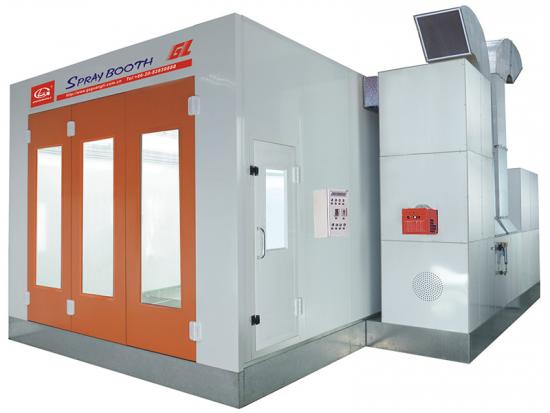
    Tip: You can choose from a range of accessories and filters to customize your spray booth for your specific needs. This flexibility helps you maintain the highest standards in every project.


    benefits of a paint booth


    better results

    You achieve better results when you use a paint booth. The controlled environment reduces defects and improves the finish on every project. You see fewer runs, dust spots, and uneven coatings. The following table shows measurable improvements you gain from a spray booth:

    Improvement Type

    Description

    Defect Reduction

    Fewer defects lead to lower rework, saving paint, labor, and time.

    Material Savings

    Reduced paint and solvent consumption through higher transfer efficiency.

    Compliance Improvement

    Lower VOC emissions and reduced compliance risk via effective exhaust filtration.

    Improved Throughput

    Faster curing times and less rework enhance overall production efficiency.

    You deliver consistent quality and professional results, which builds trust with your customers.


    environmental protection

    You protect the environment by using a paint booth. Multi-stage filtration systems capture overspray and reduce emissions of volatile organic compounds (VOCs). Intake filters, pre-filters, and exhaust filters trap paint particles and harmful gases. Activated carbon and HEPA filters control fine particulates and VOCs. The exhaust system lowers the release of VOCs into the atmosphere. You comply with EPA guidance and NESHAP rules, achieving high capture efficiencies that minimize paint waste and environmental impact. Workers can safely return to the booth without respiratory protection, showing effective VOC management.

    • Multi-stage filtration captures overspray and VOCs.
    • Activated carbon and HEPA filters control fine particulates.
    • Exhaust systems lower VOC emissions.
    • Compliance with EPA and NESHAP rules ensures high capture efficiency.


    worker safety

    You create a safer workspace with a paint booth. Proper ventilation removes hazardous fumes and dust. Filtration systems keep the air clean, reducing exposure to chemicals. You avoid respiratory irritation and skin contact with harmful substances. Fire suppression systems and explosion-proof lighting protect you from accidents. Emergency exits and safety interlocks add extra layers of protection. You work confidently, knowing your health and safety are prioritized.


    cost savings

    You save money over time with a paint booth. Effective filtration and airflow minimize overspray and material waste. Controlled environments lead to faster curing times, reducing labor and energy costs. You meet safety standards, which lowers the risk of costly incidents and downtime. The table below highlights how you benefit financially:

    Evidence Type

    Description

    Improved Product Finish

    Paint booths enhance the quality of the finish, reducing the need for rework and associated costs.

    Reduced Material Waste

    Effective filtration and airflow minimize overspray and waste, leading to lower material costs.

    Enhanced Operational Efficiency

    Controlled environments lead to faster curing times, reducing labor and energy costs.

    Compliance and Safety

    Meeting safety standards reduces the risk of costly incidents and downtime, contributing to savings.

    You invest in a paint booth and see long-term savings through improved quality, efficiency, and safety.


    choosing your paint booth


    key factors

    Selecting the right paint booth for your needs requires careful consideration. You want a solution that fits your workflow and delivers reliable results. The table below highlights the most important factors to keep in mind:

    Factor

    Description

    Size and Capacity

    Make sure the booth fits your largest projects and meets your production goals.

    Airflow and Filtration

    Choose a booth with strong ventilation and effective filters to control contamination and maintain paint quality.

    Lighting and Visibility

    Look for bright, even lighting to help you match colors and spot imperfections.

    Material and Construction

    Select durable materials that can handle daily use and tough conditions.

    Cost and Maintenance

    Consider both the initial investment and ongoing upkeep to stay within your budget.

    Tip: Always match the booth’s size and features to your specific application, whether you work with cars, trucks, or industrial equipment.


    common mistakes

    Many people make avoidable errors when choosing a paint booth. You can prevent these issues by planning ahead:

    • Ignoring the size of your largest projects and ending up with a booth that is too small.
    • Overlooking the importance of proper airflow and filtration, which can lead to poor finishes and safety risks.
    • Focusing only on price and not considering long-term maintenance costs.
    • Forgetting to check local regulations and compliance requirements.
    • Skipping professional installation, which can cause operational problems later.

    Note: Taking time to research and consult with experts helps you avoid costly mistakes.


    maintenance tips

    You keep your paint booth running smoothly by following a regular maintenance routine. Here are some best practices:

    • Inspect the booth and its equipment often to catch problems early.
    • Clean all surfaces and components to prevent paint and dust buildup.
    • Replace air filters on schedule to maintain good airflow and air quality.
    • Use airflow control devices to manage ventilation and reduce overspray.
    • Follow OSHA, EPA, and NFPA guidelines to ensure safety and compliance.
    • A well-maintained booth lasts longer, performs better, and keeps your workspace safe.
     

    A paint booth gives you a controlled space for professional painting. You protect your health and improve your results with the right booth. Consider these key points:

    • You achieve quality finishes by reducing dust and overspray.
    • You stay safe by containing fumes and fire risks.
    • You meet EPA and OSHA standards with proper equipment.

    Explore custom and eco-friendly options to fit your needs. For the best results, contact a trusted manufacturer who can guide you to the perfect solution.


    FAQ


    What is the main purpose of a paint booth?

    You use a paint booth to create a clean, controlled environment for painting vehicles or parts. This setup improves safety, protects your health, and ensures a high-quality finish.


    How does a paint booth improve safety?

    A paint booth removes harmful fumes and dust through ventilation and filtration. You avoid exposure to toxic chemicals and reduce fire risks. Safety features protect you and your team.


    Can you customize a paint booth for your workshop?

    Yes, you can customize the size, color, and design of your paint booth. Manufacturers offer options for different vehicles and equipment. Custom booths fit your workflow and space.


    What types of filters do paint booths use?

    Paint booths use several filters, including mechanical, activated carbon, and HEPA filters. These filters trap dust, paint particles, and VOCs. You get cleaner air and better results.


    Do paint booths help you meet environmental regulations?

    You meet EPA and OSHA standards with a paint booth. Filtration systems reduce VOC emissions and hazardous waste. You protect the environment and avoid fines.

  • What size paint booth do I need for trucks/SUVs?

    |
    You probably wonder what paint booth size fits your truck or SUV. Most shops use booths like 24 x 15 feet or 30 x 17 x 14 feet for these vehicles. You need enough space for proper airflow and easy movement around your vehicle. A truck spray booth with good dimensions helps you reach every spot and get a smooth paint finish. If you use a gzguangli spray booth or a car spray booth, make sure your workspace lets you work safely and meet regulations. Take a moment to measure your vehicle and think about your workspace before making a decision.


    Key Takeaways

    • Choose a paint booth size that fits your vehicle. A booth around 14' x 24' with a 10-foot height works for most trucks and SUVs.
    • Always measure your vehicle from bumper to bumper. Include mirrors and racks, then add at least three feet for working space.
    • Consider future needs when selecting a booth. A slightly larger booth allows for growth and accommodates bigger vehicles later.
    • Ensure good airflow and lighting in your booth. Proper ventilation keeps the air clean, while bright lights help you see details clearly.
    • Consult with suppliers for expert advice. They can guide you on compliance, features, and the best booth options for your needs.


    Recommended Paint Booth Size


    Common Dimensions For Trucks And SUVs

    When you look for a paint booth for trucks or SUVs, you want to know the most common sizes. These booths need to fit bigger vehicles and give you space to move around. Here’s a quick table that shows some popular booth sizes you’ll find in many shops:

    Booth Type Length (ft) Width (ft) Height (ft)
    Standard Italia 23' 8" 13' 9'
    Alto Version 17' 6" 14' 4 ½" 11' 11 ¾"
    Standard Truck Booth 30' 4" 12' 4" 12'
    Ultra XL Paint Booth 27' 14' 12'
    Ultra XL Paint Booth 30' 14' 12'
    Truck Semi Downdraft Paint Booth 59' 3.5" 16' 16' 2"

    You can see that most booths for trucks and SUVs start at about 24 feet long and go up to 59 feet for very large jobs. The width usually ranges from 12 to 16 feet, and the height goes from 9 to over 16 feet. These sizes let you fit most trucks and SUVs with enough room to work safely and comfortably.

    Tip: Always measure your vehicle before you choose a booth. Add extra space for doors, mirrors, and space to walk around.


    Minimum And Maximum Size Guidelines

    You might wonder how small or big your paint booth should be. The answer depends on your vehicle size, your shop’s needs, and safety rules. Here’s a table that shows the minimum and maximum sizes for booths that fit trucks and SUVs. The sizes are in millimeters, but you can see how much space you get:

    Booth Type Length (mm) Width (mm) Height (mm)
    Large SUVs and Trucks (Interior) 8,250 4,300 3,600
    Large SUVs and Trucks (Exterior) 8,500 4,450 4,300
    Standard Trucks and Trailers (Interior) 9,250 4,550 4,300
    Standard Trucks and Trailers (Exterior) 9,500 4,700 4,450


    You can see from the chart that paint booth size can change a lot. Some booths are just big enough for a large SUV, while others can fit a full-size truck or trailer. If you plan to paint bigger vehicles or want more space to work, go for a booth on the larger end of the scale.

    Here are some things that affect the minimum and maximum size you should pick:

    • The size of your trucks or SUVs.
    • How many vehicles you want to paint at once.
    • Safety rules that require space for you to move and work.
    • Airflow needs for good ventilation.
    • Room around the vehicle for you to reach every spot.

    If you pick a booth that’s too small, you might have trouble moving around or keeping the air clean. If you go too big, you might spend more on airflow and energy. Try to find a balance that fits your needs and your budget.

    Note: A good paint booth size helps you work faster, keeps your shop safe, and gives you better paint results.


    Why Size Matters


    Truck And SUV Measurements

    You might think all trucks and SUVs are about the same size, but they can be very different. Some fit easily in a standard booth, while others need much more space. If you want to paint a pickup or a large SUV, you should check the measurements first. Here are some typical sizes you’ll see:

    • Most trucks and SUVs need a booth that’s at least 14 feet wide and 24 feet long.
    • The height of the booth should be around 10 feet for regular vehicles.
    • If you work with extra-long trucks, like those up to 45 feet, you’ll need a booth that’s at least 52 feet deep.

    When you measure your vehicle, don’t forget to include mirrors, bumpers, and racks. These parts stick out and need extra room. If you skip this step, you might end up with a booth that feels cramped. A good paint booth size lets you move around and reach every part of your truck or SUV.

    Tip: Always measure your vehicle from bumper to bumper and side to side. Add a little extra for comfort!


    Clearance And Accessibility

    You need space to work safely and get the best results. If you squeeze your truck or SUV into a booth with no room to spare, painting gets tough. Experts recommend leaving at least 3 feet of clearance around your vehicle inside the booth. This space helps you walk around, use tools, and avoid accidents.

    Here’s what you should look for when thinking about accessibility:

    • Extended-length drive-through access makes it easy to move vehicles in and out.
    • Energy-efficient airflow keeps the air clean and saves money.
    • Filtered lighting helps you see every detail.
    • Heated air speeds up drying and improves paint quality.
    • Dual-entry doors let you enter and exit quickly.
    • Generous interior dimensions mean you can work on large vehicles without feeling crowded.
    • Make sure there’s enough space above the booth for equipment.
    • Check for roof conditions that could block booth components.
    • Keep the booth clear from walls for safety.

    If you plan ahead, you’ll have a booth that’s easy to use and keeps everyone safe. Good clearance and smart features make painting trucks and SUVs much smoother.


    Standard Paint Booth Size Options

    Interior Dimensions

    When you look at paint booth size options, you’ll see a range of choices. Some booths are small and fit compact SUVs. Others are huge and can handle big trucks or even trailers. Here’s a quick table to help you match booth sizes to vehicle types:

    Booth Size (ft) Fits These Vehicles
    14 x 24 x 10 Small SUVs, compact trucks
    16 x 30 x 12 Full-size SUVs, pickups
    27 x 14 x 12 Crew cab trucks, large SUVs
    30 x 17 x 14 Extended trucks, vans
    59 x 16 x 16 Semi trucks, trailers

    You want enough space inside the booth to walk around your vehicle. If you work on larger trucks, pick a booth with extra length and height. This makes painting easier and safer. You also get better airflow, which helps with drying and keeps the air clean.

    Tip: Always check the interior dimensions before you buy. Measure your vehicle and add space for mirrors, racks, and tools.


    Booth Opening Width

    The width of the booth opening matters a lot. If the opening is too narrow, you might struggle to move your truck or SUV in and out. Most experts recommend an opening width between 10 and 13 feet. This gives you plenty of room for maneuvering.

    A wider booth opening does more than just make things easier. It boosts safety and helps you work faster. You can use rollup doors for quick access. Some booths have button controls, so you open and close the doors with one touch. This saves time and keeps your workflow smooth.

    • Rollup doors let you move trucks and equipment in and out quickly.
    • Button controls make opening and closing simple.
    • Wide openings help prevent accidents and damage.

    When you choose your paint booth size, don’t forget about the opening width. It’s a small detail that makes a big difference in your daily work.


    Choosing The Right Booth Size


    Assessing Vehicle And Workspace

    Start by looking at your vehicles and your shop. Measure your trucks and SUVs from bumper to bumper. Check the width, height, and any extras like mirrors or racks. Think about how much space you need to walk around the vehicle. You want to move freely and work safely. Look at your workspace, too. Make sure you have enough room for the booth and for people to move around it. If your shop feels tight, you might need to rearrange things or clear out some space.

    Tip: Use a tape measure and write down the biggest vehicle you plan to paint. Add at least three feet on each side for comfort.


    Ventilation And Lighting Needs

    Good airflow and bright lights make a big difference in your paint jobs. You want a booth that keeps the air moving and removes fumes fast. This helps you stay safe and get a smooth finish. Lighting matters, too. The right lights help you see every detail and avoid mistakes. Check out this table to see how lighting can improve your workspace:

    Feature Description
    Lighting Type Inclined ceiling and horizontal sidewall lights (LED lamp)
    Workspace Quality Creates superb shadow-free workspace

    Custom booths with these lights can reduce orange peel and boost the quality of your work. You get a clear view and a better result every time.


    Planning For Future Needs

    Think ahead before you pick your paint booth size. Your shop might grow. You could start working on bigger trucks or more vehicles at once. Here are some things to keep in mind:

    1. Choose a booth that can handle larger vehicles in the future.
    2. Make sure the booth fits your production goals.
    3. Don’t limit yourself to today’s needs—future projects may need more space.
    • Consider a booth that is a bit bigger than you need right now.
    • You might want to try new painting techniques or take on larger jobs.
    • A bigger booth gives you more options and saves you from costly upgrades later.

    When you plan for growth, you make your investment last longer and keep your shop ready for anything.


    Practical Tips For Selection


    Measuring Your Vehicle

    Start with your tape measure. You want to know the exact length, width, and height of your truck or SUV. Don’t forget to include extras like mirrors, roof racks, or bumpers. These parts can add a few inches that make a big difference. Write down the biggest numbers you find. Add at least three feet on each side for walking and working space. This step helps you avoid surprises when you move your vehicle into the booth. If you plan to paint different types of trucks or SUVs, measure the largest one. This way, you pick a paint booth size that fits all your jobs.


    Consulting With Suppliers

    Talking to suppliers can save you time and money. They know which booths work best for trucks and SUVs. A booth that measures about 14 by 24 feet and stands 10 feet tall fits most vehicles in a standard shop. When you speak with a supplier, ask questions to make sure you get the right booth for your needs:

    • What does my paint booth need to achieve code compliance?
    • Do I have enough power? Is it three-phase or single-phase?
    • If the booth is heated, is my gas supply enough? How far away is the gas source?
    • Will installing the booth affect any part of my building?
    • Do I need support when cutting holes for roof openings?
    • Should pit plans be included with my permit applications for a downdraft booth?
    • Is the Authority Having Jurisdiction (AHJ) aware of my project? What codes and standards apply?

    Suppliers can also help you understand local rules and building codes. They may suggest features that make your work easier or safer.


    Budget Considerations

    Think about your budget before you buy. Bigger booths cost more. If you add features like heating or special airflow systems, the price goes up. You might want a booth with extra lights or a better air makeup unit. These upgrades help you work better but also raise the cost. Make a list of what you need and what you want. Compare prices from different suppliers. Sometimes, a simple booth does the job. Other times, you need more features for safety or speed. Plan your budget so you get the best value for your shop.


    You want a paint booth size that fits your trucks and SUVs and gives you room to work. A booth around 14' x 24' with a 10-foot height works for most jobs. Think about your vehicle measurements, your shop layout, and how you plan to grow. If you talk with industry experts, you can find the best booth for your needs and avoid common mistakes. Use these tips to make your painting process smoother and safer.


    FAQ

    How do I measure my truck or SUV for a paint booth?

    Grab a tape measure. Check the length, width, and height. Include mirrors, bumpers, and racks. Write down the biggest numbers. Add at least three feet on each side for working space.

    Can I use a car-sized booth for a truck or SUV?

    You might squeeze a small SUV into a car booth, but trucks need more room. You want enough space to move around and paint safely. Bigger vehicles need bigger booths.

    What features should I look for in a truck paint booth?

    Look for wide doors, strong ventilation, and bright lighting. Heated airflow helps paint dry faster. Make sure you have enough clearance to walk around your vehicle.

    How much clearance do I need inside the booth?

    You need at least three feet of space around your truck or SUV. This lets you move, use tools, and avoid accidents. More clearance makes painting easier.

    Do I need a special permit for a large paint booth?

    Check with your local building department. Most places require permits for big booths. Suppliers can help you understand codes and get the right paperwork.


  • What Size Paint Booth Do I Need

    When you choose a paint booth, start by thinking about what you need to paint. For small parts, you may only need a booth as small as 8x5x5 feet. If you plan to paint a large vehicle, like a truck, you might need a booth up to 52 feet deep. Picking the right size helps you work safely and move around easily. Always measure your space and match the booth size to your project.


    Key Takeaways

    • Pick a paint booth size for what you want to paint. Small parts need small booths. Big vehicles need bigger booths. Always measure your work area before you buy a booth. Make sure you have space for the booth and to move safely around it. Follow safety rules and local laws when you set up your paint booth. This keeps you and your workers safe from harm. Think about your budget before you buy. Remember the price, energy use, and upkeep costs when you pick a paint booth. Think about what you might need later. If you want to paint bigger things in the future, get a booth that can fit those jobs.


    Paint Booth Size by Project

    Europe Standard Auto Spray Paint Booth

    Choosing the right paint booth size depends on what you want to paint. You need to think about the size of your project, how much space you have, and how you plan to work. Below, you will find details for different types of projects.


    Cars and Vehicles

    When you paint cars, trucks, or vans, you need a booth that fits the vehicle and gives you room to move. Most people use an automotive spray booth or a car spray booth for these jobs. Standard sizes range from 10x10 feet to 30x50 feet. For most cars, a booth that is at least 20 feet long, 11 feet wide, and 10 feet high works well. If you want to paint larger vehicles, like vans or trucks, you need a bigger booth.

    Here is a table to help you see the minimum booth sizes for different vehicles:

    Vehicle Type Typical Object Size (ft) Minimum Booth Size (ft)
    Motorcycle / Scooter 7 x 3 x 5 10 x 6 x 7
    Sedan / Compact Car 14 x 5.8 x 5.5 20 x 11 x 10
    SUV / Pickup Truck 18–20 x 6.5–7 x 6–7 26 x 15 x 10
    Van / Minivan 21 x 7.5 x 7.5 30 x 13 x 11
    Large Truck / Trailer 25–30 x 8–9 x 10–12 33 x 13 x 11 or Custom

    You can see that a truck paint booth needs to be much larger than a car spray booth. Some brands, like Gzguangli, offer both standard and custom booths for these needs.

    Tip: Always make sure you have at least 3 feet of space around the vehicle inside the booth. This helps you move safely and paint every part.


    Industrial Equipment

    If you need to paint industrial equipment, like forklifts, tractors, or construction machines, you will need a larger paint booth. These items are often bigger and have unusual shapes. You should make sure your booth is deep enough and wide enough for the equipment and for you to walk around it.

    • You should have at least 3 feet of space on all sides of the equipment.
    • For vehicles up to 45 feet long, your booth should be at least 52 feet deep.
    • Some industrial booths can be custom-built to fit very large or odd-shaped items.

    A typical truck paint booth for industrial use might measure 16 feet by 30 feet. If you need to paint something even larger, you can ask companies like Gzguangli for a custom booth.


    Small Parts and Custom Work

    For small parts, custom motorcycles, or furniture, you can use a compact paint booth. These booths take up less space and cost less to run. They are perfect for small shops or hobbyists.

    Here is a table with some common booth sizes for small projects:

    Application Type Length (m) Width (m) Height (m)
    Automotive 7 - 9 Up to 4.5 N/A
    Industrial 1.8 1.5 0.6
    Application Type Size Recommendation
    Small Automotive Repair Compact Booth
    Detailing/Bodywork Customized/Large Booth

    You can find booths made just for small parts or custom work. For example, a booth for a motorcycle should be at least 10 feet long, 6 feet wide, and 7 feet high. If you refinish furniture, you can use a woodworking spray booth, which is smaller than a booth for cars or trucks.

    Note: The size and type of paint booth you need will change based on your project and your workspace. Always measure your items and your shop before you buy a booth.


    Workspace and Workflow

    Measuring Your Space

    You need to measure your workspace before you choose a paint booth. Start by looking at the area where you want to install the booth. Write down the length, width, and height of the space. Use the same units for all your measurements. Check the ceiling and floor for any changes in height or slope. Measure at several points in the room and use the average if the space is not even.

    Make sure to look for anything that could block the booth, like beams, pipes, or vents. Compare your measurements with your building’s drawings to avoid mistakes. If you see any doors or windows, measure the actual opening, not just the frame. This helps you know if the booth will fit and if you can move items in and out easily.

    Tip: Always check for things that might affect airflow, such as filters or thick walls. These can change how well your booth works.


    Access and Movement

    You need enough space around your paint booth for safe movement and good workflow. Leave at least 3 feet of open space on all sides for spraying, walking, and setting up your tools. You also need 1 to 2 feet of extra space around the outside for installation and airflow.

    Think about how you will move items in and out of the booth. Plan your layout so you can work in a straight line, from prep to painting to drying. This makes your work faster and safer. If your shop is small, you may need a smaller booth or a custom design. Always think about future growth. If you plan to paint bigger items later, choose a booth that can handle them.

    Common Limitation What to Watch For
    Space constraints May limit booth size and placement
    Workflow efficiency Affects how quickly you finish projects
    Safety and regulations Must follow local rules
    Future growth Plan for bigger jobs if needed

    A well-planned workspace helps you work faster and keeps you safe.


    Compliance and Safety

    Regulations Overview

    You must follow important rules when you set up a paint booth. These rules help keep you, your workers, and your building safe. Both OSHA and NFPA set standards for paint booth construction, placement, and operation. Local building codes may add more rules. You should always check with your local fire officials before you install a booth.

    Here is a table that shows some key requirements:

    Regulation Description
    1926.66(b)(1) Spray booths must be made of steel, concrete, or other noncombustible materials. They must direct air toward exhaust outlets.
    1926.66(b)(8) Each spray booth must be at least 3 feet from other work areas or separated by a wall.
    1926.66(b)(9) You need at least 3 feet of clear space on all sides for cleaning and safety. No storage or combustibles allowed in this space.
    1926.66(b)(10) Use fixed lighting units with panels that keep the spray area separate from the lights.
    1926.66(c)(2) Do not allow open flames or spark-producing tools within 20 feet of the booth unless separated by a wall.

    Insurance companies also have rules. They may require fire suppression systems and regular checks. You must keep at least 3 feet of space from anything that can burn. Always follow local and federal codes to protect your workers and your equipment.


    Ventilation and Clearance

    Good airflow is important for safety and for a clean paint job. National safety standards set the minimum airflow rates for different types of painting. You need to match the airflow to the tools and booth size you use.

    Here is a table with common airflow rates:

    Operating Conditions Crossdraft (f.p.m.) Airflow Velocities (f.p.m.)
    Electrostatic and automatic airless operation (large booth) Negligible 50-75
    Electrostatic and automatic airless operation (small booth) Negligible 75-125
    Air-operated guns (up to 50 f.p.m., large booth) Up to 50 75-125
    Air-operated guns (up to 50 f.p.m., small booth) Up to 50 125-175
    Air-operated guns (up to 100 f.p.m., large booth) Up to 100 125-175
    Air-operated guns (up to 100 f.p.m., small booth) Up to 100 150-250

    You must also keep enough space around your paint booth. Local codes say you need at least 3 feet of clear space on all sides for safety and maintenance. For large vehicles, your booth should be at least 52 feet deep. Always check your local rules before you buy or build a booth.

    Tip: Following these rules helps you avoid fines, keeps your insurance valid, and protects everyone in your shop.


    Standard vs. Custom Paint Booths

    Standard Booth Options

    You can choose a standard paint booth if your projects fit common sizes. Standard booths work well for most cars, trucks, and small equipment. They cost less and arrive faster than custom booths. Many leading brands offer popular sizes. Here is a table with some examples:

    Booth Type Interior Dimensions (L x W x H) Exterior Dimensions (L x W x H)
    Standard Italia 23’ 8” x 13’ x 9’ 24’ x 13’ 4 ¼” x 11’ 6”
    Alto Version 17’ 6” x 14’ 4 ½” x 11’ 11 ¾” 28’ x 14’ 4 ½” x 14’ 3”
    Standard Truck Booth 30’ 4” x 12’ 4” x 12’ 30’ 4” x 15’ 4” x 14’ 6”

    Standard booths give you reliable performance. You can use them for painting cars, motorcycles, or even small trucks. If you want to save money and time, a standard booth is a good choice.

    Tip: Standard booths often have options for better lights, airflow, and doors. You can add these upgrades to improve your results.


    When to Go Custom

    You may need a custom paint booth if your projects are very large or have special shapes. Custom booths fit your exact needs. They work well for painting buses, construction machines, or many parts at once. You can also choose a custom booth if your workspace has unusual limits.

    Here are some common upgrades for custom booths:

    • Extra airflow with more pits
    • Brighter lights, like LED lamps
    • Stronger heating systems
    • Advanced control panels
    • Drive-thru or automated doors

    Custom booths cost more and take longer to build. You get the best fit for your work. If you plan to grow your business or paint bigger items, a custom booth can help you stay ready.

    You should choose a custom booth when standard sizes do not fit your project or your space.


    Cost and Efficiency

    Size and Cost Impact

    The size of your paint booth has a big effect on your budget. You need to think about both the price to buy the booth and the cost to run it every day.

    • Small paint booths can cost as little as $2,000. These are good for small parts or hobby work.
    • Medium-sized booths usually range from $5,000 to $20,000. They fit most cars and small trucks.
    • Large or custom booths can cost up to $100,000. These are for big vehicles or special projects.

    Larger paint booths need more advanced features and better ventilation systems. This means you will spend more money at the start and over time. Smaller booths are easier to install and cost less to run. When you plan your budget, remember to include the price of the booth, energy use, and maintenance.

    Tip: Make a list of all costs before you buy. This helps you avoid surprises and keeps your project on track.


    Energy and Maintenance

    A bigger paint booth uses more energy. Large booths need strong fans and bigger heating systems to keep the air clean and the temperature right. This means higher electricity bills. The ventilation system, including fans and filters, uses the most energy.

    You also need to think about maintenance. Here is a table to show what you might need to do for different booth sizes:

    Maintenance Aspect Small Paint Booths Medium Paint Booths Large Paint Booths
    Ventilation Basic checks Regular inspections Full system maintenance
    Airflow Simple adjustments Moderate management Detailed control
    Safety Basic checks Regular audits Full inspections
    Access Limited Good access Easy, wide access
    Lighting Standard Enhanced Advanced
    Heating Basic Improved Advanced

    To balance cost and performance, choose a paint booth that matches your needs. Make sure the size fits your projects and your workspace. Use good filters and keep up with maintenance to save money in the long run.

    You can make your booth last 15 to 25 years with regular care.


    Picking the right paint booth means you need to know what you want to paint. You should measure your space first. Always look at safety rules and think about how much money you can spend. Check the table below to see the main things you should think about:

    Factor What to Consider
    Project Needs Size and type of items you will paint
    Space and Workflow Room for booth and easy movement
    Safety and Compliance Ventilation and local regulations
    Budget Purchase, energy, and maintenance costs

    Measure your space, ask an expert for help, and make a list before you buy.


    FAQ

    What size paint booth do you need for a standard car?

    You need a car spray booth that is at least 20 feet long, 11 feet wide, and 10 feet high. This size gives you enough space to move and paint safely.

    What is the difference between an automotive spray booth and a truck paint booth?

    An automotive spray booth fits cars and small vehicles. A truck paint booth is much larger. It can handle big vehicles like trucks, vans, or trailers. Always match the booth to your project size.

    What should you check before buying a paint booth?

    You should measure your workspace, check local safety rules, and decide what you want to paint. Brands like Gzguangli offer both standard and custom booths for different needs.

    What makes Gzguangli paint booths a good choice?

    Gzguangli offers many booth sizes and custom options. You can find booths for cars, trucks, or small parts. Their products meet safety standards and help you work efficiently.

    What happens if your paint booth is too small?

    A booth that is too small limits your movement. You may not reach all parts of your project. This can lead to poor paint jobs and safety risks. Always choose a booth with extra space.


  • Which Auto Paint Spray Booth Works Best for Your Space?

    Choosing the right auto paint spray booth can make your shop run smoother and boost results. Your space, workflow, and daily needs shape the best choice for you. Around the world, workshops use several types of booths, including open face, downdraft, crossdraft, semi-downdraft, and side-draft models. Searching for a high-quality automotive spray booth for sale can be overwhelming, but not sure what these mean? No worries—you’ll find clear, simple explanations here so you can pick a chinese spray booth or custom model with confidence.


    Key Takeaways for Workshop Efficiency

    • Measure your workshop's dimensions to ensure the auto paint spray booth fits well and allows for easy movement.
    • Choose a booth type based on your space and workflow needs, such as downdraft for large vehicles or crossdraft for smaller jobs.
    • Ensure proper ventilation and power supply to maintain safety and efficiency in your automotive spray booth for sale.
    • Consider future expansion when selecting a booth; modular designs can adapt as your business grows.
    • Regularly check and maintain your chinese spray booth to ensure safety and optimal performance.


    Assess Your Space


    Vehicle Spray Booth


    Measure Area

    Start by grabbing a tape measure and checking your workshop’s dimensions. You want to know the length, width, and height of the area where you plan to install your auto paint spray booth. This step helps you figure out what booth models will fit and how much working room you’ll have. If you work on larger vehicles or plan to expand, leave extra space for movement and equipment. The size of the automotive spray booth for sale should match your workflow and the types of vehicles you handle. A cramped booth can slow you down and make painting tricky.

    Tip: Sketch a quick floor plan. Mark doors, windows, and any obstacles. This visual guide makes planning easier, especially when customizing a chinese spray booth for unique layouts.


    Check Ceiling & Access

    Ceiling height matters more than you might think. A higher ceiling gives you better airflow and makes it easier to work on tall vehicles. For a professional auto paint spray booth, internal clearance is vital. Take a look at the table below to see how ceiling features affect booth performance:

    Feature

    Description

    Ceiling Height

    A 2-foot-high ceiling-over-plenum design provides more room for air volume.

    Airflow Distribution

    Less static pressure leads to even air distribution, preventing overspray.

    Plenum Design

    A full-width ceiling plenum ensures clean, linear airflow around the vehicle.

    Don’t forget to check access points. Wide doors and clear pathways help you move vehicles in and out without hassle. If you plan to install a larger automotive spray booth for sale, make sure your shop’s entryways can handle it.


    Review Ventilation & Power

    Proper ventilation keeps your workspace safe and your finishes smooth. You need a system that moves air efficiently and meets safety standards like NFPA-33. Here’s a quick look at what’s required for a modern auto paint spray booth:

    Requirement

    Description

    Mechanical Ventilation

    Capable of moving at least 100 linear feet of air per minute

    Exhaust System

    Directs airflow toward an exhaust outlet vented to the outside, installed within 18 inches of the floor

    Safety Features

    Includes visual gauges, audible alarms, and pressure-activated devices

    Interlock System

    Spray guns are interlocked with the ventilation system to prevent operation when inactive

    Check your shop’s power supply, too. Most chinese spray booth models and industrial units need dedicated circuits. If you’re unsure, ask an electrician to review your setup before installation.


    Spray Booth Types & Space Needs

    Choosing the right auto paint spray booth starts with understanding how each type fits your space and workflow. GZ GUANGLI offers a full range of chinese spray booth options, so you can match your needs with the perfect solution.


    Downdraft Booths (Best for Premium Finishes)

    Downdraft spray booths pull air from the ceiling straight down to the floor, carrying overspray and contaminants away. This setup gives you a clean finish and a safer workspace. You often see these in industrial automotive spray booth for sale setups for trucks and large vehicles. They need more space because of the exhaust pit and have a more complex installation. Many shops pick downdraft booths for their superior finish quality and strong environmental compliance.

    Booth Type Space Requirements Installation Complexity Airflow Pattern
    Downdraft Requires more space due to the need for an exhaust pit. More complex and costly Air is pulled from the ceiling downward.

    Note: GZ GUANGLI downdraft chinese spray booth models meet international certifications and offer eco-friendly features like advanced air filtration.


    Crossdraft Booths (Best for Limited Space)

    Crossdraft spray booths move air horizontally across the vehicle. These booths use space efficiently and are easier to install. They work well for shops with limited room or lower volume. You get a cost-effective auto paint spray booth that still delivers solid results without the need for major floor excavation.

    Crossdraft Efficient use of space; does not require a pit. Easier and cost-effective Air moves horizontally across the workpiece.


    Side Draft Booths

    Side draft spray booths balance space and performance. Air flows down from the ceiling and out through side walls. You get even airflow and less overspray. These booths fit well in medium-sized shops looking for a reliable automotive spray booth for sale that supports various vehicle sizes.


    Semi-Downdraft Booths

    Semi-downdraft spray booths offer a smart mix of cost and performance. Air enters from the ceiling and exits near the floor at the back. These booths are popular in commercial auto shops. You get high-quality finishes, easy installation, and strong control over overspray in a versatile chinese spray booth package.


    Portable Spray Booth Options

    A portable auto paint spray booth gives you maximum flexibility. You can move it where you need it, set it up outside, or pack it away when not in use. This option saves space and adapts to changing workloads. GZ GUANGLI’s portable models are perfect for mobile repairs or shops with limited floor space.

    • You can transport the portable chinese spray booth to different locations.
    • It stays packed away during slow periods, so it never takes up permanent space.
    • You can use it outdoors, freeing up your indoor area for other tasks.


    Choosing the Right Spray Booth for Your Shop


     line downdraft spray booth


    Small Spaces

    Working in a small shop or garage? You can still find an auto paint spray booth that fits. Compact models, like ductless or portable booths, work well in tight areas. They offer high filtration and flexible setups, so you can move them around as needed.

    Model Type Features Ideal Use Case
    SPB-52 Ductless High filtration, fits compact spaces Automotive, small-scale manufacturing
    SPB-52D Ducted Fixed install, handles higher volume Industrial manufacturing

    Customizable chinese spray booth solutions help you use every inch of your shop. If you think your business will grow, choose a booth that can expand with you. This way, you won’t need to replace your automotive spray booth for sale later.


    Medium & Large Spaces

    If you have a bigger workshop, you get more options. You can pick from downdraft, side draft, or even modular auto paint spray booth designs. These handle larger vehicles and higher production rates. Custom booths let you adjust airflow or add drive-through access. GZ GUANGLI’s chinese spray booth designs make it easy to plan for future expansion.


    High-Volume vs. Occasional Use

    How often you paint makes a big difference. If you run a high-volume shop, you need an automotive spray booth for sale that keeps up with demand. Downdraft and side-draft booths work well here. If you only paint occasionally, a crossdraft or semi-downdraft chinese spray booth might be enough as they cost less and use less energy.

    Type of Spray Booth Advantages Disadvantages
    Cross Draft Economical, simple setup May allow dust in airstream
    Semi Downdraft Good airflow, affordable Can have dead zones
    Side-Draft Even airflow, less overspray Higher cost
    Downdraft Very clean, less correction Higher cost, complex install


    Key Considerations


    spray paint booth manufacturer


    Budget & Value

    When you look for an auto paint spray booth, price matters. The market offers an automotive spray booth for sale for every budget, from $2,000 to over $100,000. If you want to save on energy bills, consider an energy-efficient chinese spray booth. These models use less power and lower long-term expenses.


    Compliance & Safety

    Safety should always come first. You need a chinese spray booth that meets ETL or UL-508A standards. Modern booths use advanced air filtration to trap toxins and reduce VOCs, which protects your health and meets EPA regulations.


    Expansion & Flexibility

    You want your auto paint spray booth to grow with your business. Modular designs make upgrades easy. Investing in a larger automotive spray booth for sale now can help you avoid costly modifications later.


    Quick Decision Guide


    auto paint spray booth


    Checklist

    • Measure your available space and ceiling height for the auto paint spray booth.
    • Decide which booth type fits (Downdraft, Semi-downdraft, or Crossdraft).
    • Check if the automotive spray booth for sale matches your ventilation system.
    • Follow a maintenance schedule to keep your chinese spray booth running smoothly.
    •  

    Flowchart

    1. What size vehicles do you paint? (Large = Downdraft; Small = Crossdraft)
    2. How much space do you have? (Limited = Portable; Large = Modular)
    3. Do you plan to expand? (If yes, choose a customizable chinese spray booth)
     

    Choosing the right auto paint spray booth starts with knowing your space, workflow, and safety needs. When you match your chinese spray booth to your shop, you get faster turnaround and better finishes. Explore GZ GUANGLI’s automotive spray booth for sale options and choose with confidence!


    FAQ

    What size auto paint spray booth do I need?

    Measure your largest project and add at least 3 feet on each side for working room.

    Can I customize a chinese spray booth?

    Absolutely! Brands like GZ GUANGLI offer custom doors, lighting, and airflow features.

    Where can I find an automotive spray booth for sale?

    You can find professional models through certified industrial suppliers and manufacturers like GZ GUANGLI who specialize in high-quality chinese spray booth solutions.

  • Why Paint Booth Dimensions Matter a Guide For Every Industry

    The size of your paint booth shapes your daily workflow, impacts efficiency, and keeps your team safe. Paint booth dimensions also play a key role in the quality of your finished products. Choosing the right size protects your investment and helps control operational costs. Every industry faces different challenges, so you need to match booth size to your specific needs. You will find practical tips and real-world examples for a variety of sectors.


    Key Takeaways

    • Choose the right paint booth size to enhance safety and comply with regulations. Proper dimensions improve ventilation and reduce accident risks.
    • Optimize workflow and efficiency by selecting a booth that fits your projects. A well-sized booth can boost productivity by up to 40%.
    • Ensure high-quality finishes by matching booth dimensions to your workload. Adequate space prevents defects and allows for even coating.
    • Assess your available space and future needs before installing a booth. Proper planning helps avoid costly modifications and ensures operational efficiency.
    • Avoid common mistakes like underestimating space and ignoring workflow. Accurate measurements and assessments lead to better performance and safety.


    Importance Of Paint Booth Dimensions

    Vehicle Spray Booth Manufacturer

    Safety And Compliance

    You must consider safety and compliance when selecting paint booth dimensions. The size of your booth directly affects how well you can meet regulations and protect your team. Larger booths often require more advanced ventilation systems to remove hazardous fumes. Smaller booths may limit movement, increasing the risk of accidents. You need to follow strict standards set by agencies like the EPA, OSHA, and local fire codes. These standards depend on booth size and layout.

    Regulation Type

    Description

    Environmental Regulations

    Enforced by the EPA, requiring permits based on booth size and potential environmental impact.

    Fire Safety Standards

    Local fire codes mandate ventilation, explosion-proof lighting, and fire suppression systems.

    Workplace Safety Regulations

    Compliance with OSHA standards for ventilation, PPE, and emergency plans is necessary.

    Operator safety improves with proper booth dimensions. You can install effective static control to limit overspray and finish defects. Adequate space allows for proper ventilation and easier use of personal protective equipment. You also create room for ongoing safety training and emergency preparedness. Waste reduction and eco-friendly coatings become easier to manage in a well-sized booth. Energy efficiency increases when you match booth size to your workload.

    Tip: Always check local regulations before installing or upgrading your paint booth. This ensures you meet all safety and compliance requirements.


    Efficiency And Workflow

    Paint booth dimensions play a major role in painting process efficiency. You can boost productivity by choosing a booth that fits your projects. Properly sized booths enhance operational efficiency and maximize throughput. You avoid bottlenecks and reduce setup times. Companies report productivity increases of up to 40% with the right booth size compared to smaller or oversized systems.

    You create space for larger batches, which streamlines workflow. Operators move freely, reducing workplace accidents and improving operator safety. Strategic planning of booth size lets you accommodate future growth without costly modifications. You also lower operational costs by reducing wasted energy. Smaller booths use less power, but may limit production. Larger booths handle more work, but require more energy for ventilation and lighting.

    • Benefits of optimal booth size for workflow:
    • Increased productivity and profitability
    • Enhanced operator safety
    • Reduced workplace accidents
    • Efficient use of energy and resources
    • Flexibility for future expansion


    Quality And Output

    You achieve high-quality painting results when you select the right paint booth dimensions. The size of your booth affects product quality and finish consistency. Adequate space prevents overspray buildup and allows for even coating. You avoid restricted movement, which can lead to defects and uneven finishes.

    You also improve output by matching booth size to your workload. Larger booths let you handle bigger projects or multiple items at once. Smaller booths work well for detailed jobs but may limit throughput. You control operational costs by choosing a booth that fits your needs. Energy consumption stays manageable, and you maintain optimal results for every project.

    Note: Paint booth dimensions influence every step of the painting process. You must balance space, energy use, and workflow to achieve the best possible outcome.


    Industry Needs And Challenges

    Automotive

    You face unique challenges in the automotive sector. Automotive paint booths must be spacious enough to fit compact cars, SUVs, and large trucks. This space gives you safe access for operators and allows efficient movement of parts during painting. Proper booth size helps you avoid workflow disruptions and ensures high-quality finishes. You benefit from designs like downdraft and crossdraft booths, which create airflow patterns that reduce contaminants and provide even paint distribution.

    • Key advantages of optimal booth size in automotive applications:
    • Efficient access for painters
    • Minimized workflow interruptions
    • Even coverage and reduced overspray

    Tip: Choose booth dimensions that match your current and future vehicle sizes to maintain flexibility and quality.


    Manufacturing

    You encounter diverse requirements in manufacturing. Paint booth size impacts investment value, process efficiency, operator safety, and product quality. Large booths handle industrial coatings and high-capacity production, while smaller booths suit detailed work. Full downdraft booths offer contaminant-free environments, improving surface finish. Side downdraft booths work well for large vehicles, ensuring thorough paint coverage.

    Industry Type

    Paint Booth Size Requirements

    Capacity Considerations

    Industrial Coatings

    Ample size for large items

    High capacity to avoid production bottlenecks

    Automotive

    Full downdraft for efficiency

    Must accommodate multiple vehicles simultaneously

    Aerospace

    Controlled environment needed

    Specific size for high-performance standards


    Electronics

    You need precise control in electronics painting. Small booth dimensions help you manage delicate components and prevent contamination. You achieve consistent finishes by maintaining clean airflow and limiting overspray. Compact booths reduce energy use and support detailed work, but you must ensure enough space for safe operator movement.

    • Benefits of well-sized booths in electronics:
    • Improved finish consistency
    • Reduced contamination risk
    • Lower operational costs


    Metalworking

    You require specialized solutions in metalworking paint booths. Custom-designed spray systems maximize efficiency and minimize downtime. Streamlined downdraft airflow improves finish quality and reduces overspray. High-efficiency filters capture overspray quickly, keeping your workspace clean. Booths meet OSHA and NFPA regulations, ensuring safety. Modular designs let you choose solid-back, drive-through, or pressurized configurations to fit your workflow.

    Feature

    Description

    Airflow Management

    Downdraft air flow maximizes finish quality and minimizes overspray.

    Safety Compliance

    Booths meet OSHA & NFPA regulations for a safe working environment.

    Filtration Systems

    High-efficiency filters allow fast, clean change-outs.

    Customization

    Various sizes and configurations fit specific workflow needs.

    Note: Tailoring booth dimensions to your operational needs boosts productivity and creates a safer workplace.


    Choosing The Right Paint Booth Dimensions

    Auto Garage Equipment Downdraft Spray Booth

    Measuring Projects

    You need to start by measuring your projects accurately. The size and complexity of your work determine the best paint booth dimensions. Use interior measurements to calculate airflow and ensure proper ventilation. For example, you can use formulas based on booth type to estimate the required cubic feet per minute (CFM) for airflow:

    Booth Type

    Formula

    Example Calculation

    Cross Draft & Open Face

    Width × Height × 100 FPM

    12 ft W × 14 ft H = 16,800 CFM

    Downdraft

    Width × Depth × 50 FPM

    20 ft W × 30 ft D = 30,000 CFM

    Semi Downdraft

    Width × Depth × 50-75 FPM

    10 ft W × 20 ft D = 10,000-15,000 CFM

    Side Downdraft

    Width × Height × 50 FPM

    8 ft W × 12 ft H = 4,800 CFM

    You should measure the clear opening width and height for air entry. Exclude non-perforated sections when calculating floor area. Document ceiling and floor configurations for accurate planning. When you select the appropriate paint booth size, consider the recommended dimensions for your use case:

    Use Case

    Recommended Size

    General Auto Shop

    14' x 24' x 10' tall

    Home Mechanics

    15' x 8' with 10' ceiling

    Tip: Always ensure at least 3 feet of access around the items you paint. This extra space improves safety and allows for proper airflow.


    Space Assessment

    You must assess your available space before installing a booth. Evaluate your business’s requirements based on the size of items you paint. Consider the shop space and workflow to maximize efficiency. Make sure you comply with regulatory and safety requirements. Plan for future growth and versatility in your operations. Assess operational efficiency and associated costs.

    • Check floor space and ceiling height to ensure proper installation.
    • Consider the layout of your facility, as it affects workflow and available space.
    • Opt for slightly larger booths if you want to ensure proper airflow and flexibility.

    Facility constraints play a crucial role in your decision. Adequate floor space and ceiling height are essential for proper operation. Compact designs work well in confined areas, maximizing space. Larger booths allow for better movement and airflow, enhancing safety and reducing overspray.


    Workflow Considerations

    You need to evaluate workflow efficiency when selecting paint booth dimensions. Operational requirements help you determine the right booth size. Regulatory and safety requirements, especially fire safety and ventilation, must be considered. Assess available workspace to ensure the booth fits within your workflow.

    • Efficient vehicle positioning and faster setup improve productivity.
    • Larger booths reduce congestion during busy periods.
    • Equipment requirements, such as curing ovens and exhaust systems, impact space and design needs.
    • The type of coating process, like powder coating or liquid painting, affects booth design.

    A well-designed layout enhances productivity and minimizes downtime. An improperly sized booth can lead to inefficiencies and increased operational costs. Clean dry air is essential for quality finishes. Proper air compressor and filtration systems prevent issues in the painting process.


    Standard Vs. Custom Booths

    You have two main options when designing paint booths: standard sizes or custom booths. Standard booths offer quicker shipping and lower costs. They may not fit all situations, especially if you have unique requirements. Custom booths are designed around your specific processes and can improve efficiency in the long run.

    Feature

    Standard Booths

    Custom Booths

    Tailored Dimensions

    Limited to predefined sizes

    Can be designed to fit specific spaces

    Special Features

    Basic features only

    Can include advanced options like filtration and lighting

    Cost

    Generally lower initial investment

    Higher initial cost due to customization

    Custom booths address unique industry needs and challenges. They offer precision tailoring, optimizing airflow, exhaust, and filtration for your specific requirements. Custom designs streamline workflow, reduce downtime, and improve productivity. You can engineer custom booths to meet safety standards, ensuring a controlled environment and protecting workforce health. Although custom booths require a higher initial investment, they lead to reduced operational costs over time due to energy-efficient designs and adaptability.

    Note: Choose a booth that fits your current needs but also allows for future growth. Custom booths provide flexibility and long-term value, while standard booths offer quick solutions for common applications.


    Common Mistakes To Avoid

    Underestimating Space

    You might think a smaller booth saves money, but underestimating space often leads to costly problems. Many people make mistakes when measuring booth dimensions. For example, using exterior measurements instead of interior space can overstate booth volume by up to 10%. This causes undersized ventilation systems and poor airflow. If you ignore partial floor coverage or measure door frames instead of openings, you reduce the effective area for air movement. Intake filters also shrink usable space, especially in shallow plenums.

    Mistake

    Description

    Using Exterior Dimensions

    Overstates booth volume, leading to weak ventilation.

    Ignoring Partial Floor Coverage

    Results in insufficient air velocity through the working section.

    Measuring Door Frames Instead of Openings

    Reduces usable area for airflow and access.

    Not Accounting for Filter Thickness

    Lowers effective face area, affecting ventilation.

    Poor airflow lets overspray settle on surfaces, forcing you to redo jobs and lowering productivity. Inadequate ventilation increases the risk of fire or explosion because flammable vapors build up. Filters that trap paint overspray become resistant to airflow, which can cause non-compliance with safety regulations.


    Ignoring Workflow

    You need to match booth size to your workflow. Overcrowding or improper booth loading disrupts air circulation and creates safety hazards. Placing large objects incorrectly or blocking intake and exhaust areas prevents air from moving evenly. Over 30% of paint shop inefficiencies come from inadequate booth space. Nearly 30% of spray booth failures link to poor space assessments.

    • Poor air circulation
    • Overspray issues
    • Safety hazards
    • Decreased productivity

    If you change production volume without upgrading your system, you risk workflow bottlenecks and restricted movement. Negative pressure makes booth doors hard to open and can cause backdrafts.


    Overlooking Safety

    You must prioritize safety when sizing your booth. Inadequate ventilation allows hazardous concentrations of overspray and volatile organic compounds (VOCs) to build up. This creates unsafe conditions for workers and increases the risk of fire. A well-designed extraction system removes flammable vapors and combustible overspray. Poorly maintained systems let vapors accumulate, raising the danger level.

    Tip: Regularly monitor filter differential pressure and replace filters as needed. This keeps airflow strong and maintains a safe environment.

    Ignoring safety leads to restricted movement, excessive energy use, and compliance issues. You protect your team and your investment by avoiding these common mistakes.


    You see how paint booth dimensions affect safety, efficiency, and quality in every industry. Proper sizing helps you protect your team, boost productivity, and achieve consistent results.

    • Measure your projects carefully
    • Assess your workflow
    • Plan for future needs

    Use these tips and examples to make informed decisions. The right booth size gives you long-term value and supports your business growth.


    FAQ

    What is the most important factor when choosing paint booth dimensions?

    You should focus on the size of your largest project. This ensures enough space for safe movement, proper airflow, and quality finishes. Always measure your items and add extra room for access and equipment.

    How do paint booth dimensions affect energy costs?

    Larger booths use more energy for ventilation and lighting. You can lower costs by matching booth size to your workload. Smaller booths save energy but may limit productivity. Choose a size that balances efficiency and output.

    Can I use a standard booth for specialized projects?

    Standard booths work for many applications. If you handle unique shapes or large items, you may need a custom booth. Custom booths fit your workflow and improve safety. Evaluate your needs before deciding.

    What mistakes should I avoid when sizing a paint booth?

    Tip: Never use exterior measurements for planning. Always measure the interior space. Ignoring workflow and safety can lead to poor air quality, bottlenecks, and compliance issues. Plan for future growth to avoid costly upgrades.