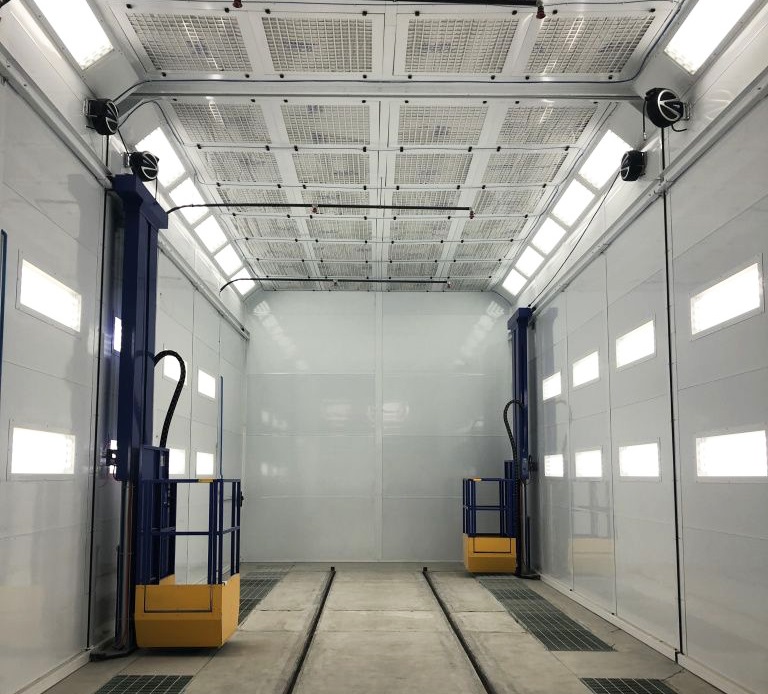
{ truck paint booth }

  • How Much Does a Paint Booth Cost

    If you want to know how much a paint booth costs, prices can range widely based on type and size. For example, a portable paint booth (10x10) often costs about $4,495. Custom paint booths can vary depending on your needs.

    Type of Paint Booth Price Range
    Portable (10x10) $4,495.00
    Custom Varies

    The cost changes based on booth size, ventilation, materials, and extra features. You should look at every cost factor before you decide to buy.


    Key Takeaways

    • Paint booth prices change a lot depending on size, type, and features. Portable booths cost about $2,000. Big custom booths can cost more than $40,000.
    • Think about the booth size before buying. Bigger booths have better airflow and work faster. But bigger booths also cost more money.
    • Some booths have special features like good filters, heating, and safety gear. These features can make the booth cost more. Pick features that help keep you safe and work better. Try not to spend too much.
    • It costs money to install and take care of the booth. Make sure you plan for these costs. This helps you avoid problems and keeps your booth working well.
    • Always check your local rules for permits before you set up the booth. Following the rules helps you avoid fines. It also keeps your work area safe.


    auto spray paint booth


    Paint Booth Price Overview


    When you look for a paint booth, you will see prices are very different. The price changes because of the size, type, and features you want. Here is a simple list of the most common paint booths and what you might pay.


    Portable Paint Booths

    Portable paint booths are easy to move and set up. You can put them where you need them. Most portable booths have inflatable walls or light frames. They usually cost between $2,000 and $12,000. The price depends on the size and features.

    Tip: Portable booths often have EPA-compliant ventilation, exhaust filters, and air movers. These things help keep your work area safe and clean.

    Size/Type Price Range Key Features
    Small (10x10) $2,000 - $5,000 Cheap, easy to set up, good for hobbies
    Medium (12x12x9) $5,000 - $7,000 Small, good for little jobs
    Large (18x15x10 or 24x15x10) $9,000 - $12,000 Big, for pros, better air flow

    You can also buy simple tent-style booths for less than $100. These do not have air filters and may not be safe.


    Small Paint Booths

    Small paint booths are good for small spaces or little projects. You might use one to paint car parts or small tools. Prices start at about $3,000 and go up to $8,000. The price depends on how big the booth is, what it is made of, and the airflow system.

    • Bigger booths cost more money.
    • The way the booth moves air, like downdraft or crossdraft, changes the price.
    • Better filters or safety features make the booth cost more.
    Factor Impact on Price
    Size Bigger booths cost more
    Configuration Downdraft costs more than crossdraft
    Materials Stainless steel costs more than regular steel
    Filtration Multi-stage HEPA systems make the price go up
    Compliance Meeting safety rules adds to the price


    Medium Paint Booths

    Medium paint booths are used in most auto shops and small businesses. You will pay between $8,000 and $15,000 for a medium booth. These booths have more space and better air flow than small booths.

    • Medium booths often have better air and lights.
    • Some have heaters to dry paint faster.
    • Following environmental rules can make the price higher.

    Pick a medium booth if you need to paint whole cars or big parts often.


    Large Paint Booths

    Large paint booths are for big jobs, like trucks, trailers, or big machines. Prices are usually between $19,000 and $40,000. These booths are used in places like airplane factories, heavy equipment shops, and RV makers.

    • Bigger booths need more materials and cost more to install.
    • Fancy air systems, like downdraft, make the booth better but cost more.
    • Heaters, filters, and safety gear can add 10-20% to the price.

    Note: If you add more features, like machines or special lights, the price will go up.


    Custom Paint Booths

    Custom paint booths are made just for you. You might want a special size, different air flow, or extra safety. Custom booths start at $20,000 and can go over $40,000 for big or fancy ones.

    Custom Booth Type Price Range
    Basic Open Front Booth Starting at $2,599
    Enclosed Finishing Booth $4,599 - $10,000+
    Large Booth for Heavy Equipment $20,000 - $40,000

    The final price depends on:

    • Airflow system type
    • Heating and air features
    • Safety gear
    • Automation and control systems

    Custom booths fit your work best, but you pay more for special design and building.

    When you look at paint booth prices, think about what features you really need. The right booth will help you stay safe and work well.


    Paint Booth Cost Factors

    Size

    You need to think about size first. The size of a paint booth changes how much you pay and how you use it. If you choose a smaller booth, you spend less money and save on running costs. However, a booth that is too small can make your work harder. You might see more dust and poor airflow. This can ruin your paint job. Bigger booths cost more because they use more materials and need extra features. The right size helps you work faster and keeps your paint clean.

    • Smaller booths lower costs but may reduce efficiency.
    • Larger booths require more money and offer better airflow.
    • Proper sizing keeps your work safe and high-quality.


    Type

    The type of paint booth affects the price and how you paint. You can pick from many types. Each one has its own features and costs.

    Paint Booth Type Description Cost Range
    Crossdraft Simple design, cost-effective, but overspray can be a problem. Lower
    Downdraft Great airflow, high-quality finishes, higher price. Higher
    Side Downdraft Good for small spaces, better control. Medium
    Semi-Downdraft Mix of crossdraft and downdraft, improved airflow. Medium
    Reverse Flow Air enters from the floor, special uses. Higher
    Open-Face Easy access, less containment, lower price. Lower
    Enclosed Controlled environment, best containment, higher price. Higher
    Conveyorized For big jobs, automated, highest price. Highest

    You should pick the type that fits your work and budget.


    Features

    Features can make your paint booth cost more. You can add things like heaters, special lights, or air makeup units. These extras help you paint better and safer. For example, lighting and safety gear can add 10-20% to the total price. If you want a booth with heating and advanced airflow, you pay much more. Think about which features you need most.

    Tip: Choose features that help you work safely and quickly. Do not pay for extras you will not use.


    Build Quality

    Build quality matters for long-term savings. A strong booth wastes less paint and keeps your work area clean. High-quality booths last longer and need fewer repairs. You get more value because you spend less on materials and downtime.

    • Good build quality lowers waste and saves money.
    • Reliable booths keep your work moving.
    • Code-compliant booths prevent extra costs and delays.

    If you pick a paint booth with strong build quality, you protect your investment and make your work easier.


    Installation & Operating Costs

    Installation Fees

    You need to plan for installation costs when you buy a paint booth. These fees depend on the size and type of booth you choose. Small open face booths cost less to install. Large enclosed or downdraft booths cost much more. Here is a table that shows average installation fees for different booth types and sizes:

    Booth Type Dimensions (W x H x D) Average Cost
    Open Face Booth 6' x 7' x 6' $2,700
    Open Face Booth 10' x 12' x 6' About $5,000
    Open Face Booth 18' x 7' x 6' $5,871
    Enclosed Truck Booth 14' x 10' x 24' About $12,500
    Enclosed Truck Booth 20' x 16' x 34' About $29,000
    Down Draft Booth 14' x 10' x 24' About $16,000
    Down Draft Booth 20' x 16' x 30' About $35,000
    Automotive Paint Booth (Basic) 14' x 9' x 27' About $14,000
    Automotive Paint Booth (Cured) 14' x 9' x 27' $50,000 - $65,000

    You may also pay extra for pressurized booths. Air makeup units can add $15,000 to $22,000 to your total cost.


    Permits & Compliance

    You must get the right permits before you install your booth. These permits help keep your shop safe and legal. Costs can range from a few hundred dollars for simple permits to several thousand dollars for full inspections. Here are some common permits you may need:

    • Building permits for safety and zoning
    • Fire department permits for flammable materials
    • Environmental permits for air quality
    • Occupational safety permits for worker protection
    Type of Permit Cost Range
    Simple Permits A few hundred dollars
    Extensive Inspections Several thousand dollars

    Tip: Always check with your local city or county office before you start your project.


    Energy & Maintenance

    You will spend money to run and maintain your booth. Energy costs depend on the size of your booth and how often you use it. Large booths with heaters or advanced airflow use more electricity. You need to change filters and clean the booth often. Regular maintenance keeps your booth safe and working well. If you skip maintenance, you may pay more for repairs later.

    Keeping up with energy and maintenance costs helps you avoid big problems and keeps your work on track.


    Additional Paint Booth Expenses

    When you buy a paint booth, you need to plan for extra costs beyond the booth itself. These hidden or ongoing expenses can affect your budget. You should know about shipping, accessories, and repairs before you make your final decision.


    Shipping

    Shipping costs can change based on where you live and the size of your booth. Some companies offer free shipping in the contiguous United States, but most booths require freight shipping. You may see prices quoted at the time of your order. Freight charges can go up or down quickly, so you cannot always predict the final cost.

    • Shipping costs vary and depend on booth size and location.
    • Some products include free shipping, but most do not.
    • Freight charges change often and may not stay the same for long.

    Tip: Ask for a shipping quote before you buy your automotive spray booth or truck paint booth. This helps you avoid surprises.


    Accessories

    Accessories help you get the most from your car spray booth. You can choose from many add-ons that improve safety, speed, and quality.

    • Advanced LED lighting systems make it easier to see your work.
    • High-efficiency filter systems keep the air clean.
    • Accelerated curing systems, like infrared or UV, dry paint faster.
    • Air makeup units and ventilation systems control airflow.
    • Heating and temperature control systems keep paint at the right temperature.
    • Masking tools and systems save time.
    • Vehicle and parts positioning systems help you reach every spot.
    • Technician access platforms, like scaffolds, keep workers safe.
    • Automated paint gun cleaning systems make cleanup easy.
    • Booth cleaning tools help you keep your booth spotless.

    Note: Accessories can add hundreds or thousands of dollars to your total cost. Plan for these extras when you set your budget.


    Repairs

    You need to keep your paint booth in good shape. Routine maintenance includes cleaning, inspections, and replacing small parts. If you use high-quality booths, like those from brands such as gzguangli, you may see fewer breakdowns and lower repair costs.

    1. Replace filters on time to protect paint finishes.
    2. Keep up with maintenance to keep workers safe.
    3. Follow rules to avoid fines and extra costs.

    Understanding when to change filters and parts helps you control costs and keep your booth running well. Regular care keeps your production smooth and your booth safe.

    Budgeting Tip: Set aside money for repairs and maintenance. This helps you avoid big bills and keeps your booth working for years.


    Paint Booth Budgeting & Selection

    Assessing Needs

    You should start by understanding what you need from a paint booth. Think about the size of your operation and how much energy you will use. Here are some steps to help you:

    1. Check your energy needs based on how many jobs you do.
    2. Work with an electrician to see if you can install the booth safely.
    3. Learn about local rules for power and waste.
    4. Make sure you have at least 3 feet of space around the booth for safety.
    5. Ask experts for help if you need a custom design.
    6. Pick a booth that fits your work, like an automotive spray booth, truck paint booth, or car spray booth.

    You should always make sure your booth meets your daily work needs and follows safety rules.


    Comparing Quotes

    You will get different prices from different companies. Look at what each quote includes. Some booths, like those from gzguangli, offer strong build quality and good support. Compare the features, installation costs, and warranty. Do not just pick the cheapest option. Make sure the booth fits your space and your work.

    • Check if the quote includes shipping and installation.
    • See if the booth meets all safety and code rules.
    • Ask about support and repairs.


    Planning Ahead

    Planning helps you avoid surprise costs. You should keep your booth in good shape. Use this table to see how regular care helps:

    Maintenance Practice Benefit
    Regular filter replacement Prevents airflow problems and keeps paint quality high
    Scheduled exhaust system maintenance Reduces breakdowns and keeps things running smoothly
    Cleaning spray guns Stops sudden failures and keeps your work looking good

    You should also look for ways to make your work faster. Try to find and fix slow spots in your process. Use fast-drying paints and keep your tools ready. Always have a backup plan for repairs and emergencies.


    Avoiding Pitfalls

    Many people make mistakes when buying a paint booth. Here are some things to watch out for:

    • Do not forget about energy costs. These can be high.
    • Make sure you get all the upgrades you need for safety.
    • Always use a pro for installation to follow safety rules.

    Careful planning and smart choices help you get the right booth for your shop and save money in the long run.


    You can buy a small open face booth for $2,700. A big automotive spray booth can cost over $65,000. The main costs are the booth, air make up units, ductwork, installation, and maintenance.

    Cost Factor Why It Matters
    Purchase Price Upfront investment
    Installation Setup and utility work
    Maintenance Keeps your booth safe and efficient
    Operating Costs Energy and filter replacement

    You should think about all the costs, not just the price tag. Use the tips in this guide to pick a car spray booth, truck paint booth, or a gzguangli model that works for your needs and budget.


    FAQ

    How often should you replace filters in a paint booth?

    You should check filters every week. Replace them when they look dirty or clogged. Clean filters help your automotive spray booth or truck paint booth work better and keep the air safe.

    Can you use a car spray booth for trucks?

    A car spray booth is usually too small for trucks. You need a truck paint booth for bigger vehicles. Always measure your vehicle before you buy a booth.

    What makes gzguangli paint booths different?

    Gzguangli paint booths use strong materials and smart airflow systems. You get better safety and cleaner paint jobs. Many shops trust gzguangli for both car and truck painting.

    Do you need a permit to install a paint booth?

    Yes, you need permits for most paint booths. Check with your local city or county office. Permits help you follow safety and environmental rules.

    How can you lower energy costs in your paint booth?

    Use LED lights and change filters often. Keep doors closed when you paint. Good habits help you save money in your automotive spray booth or truck paint booth.


  • What Size Paint Booth Do I Need

    When you choose a paint booth, start by thinking about what you need to paint. For small parts, you may only need a booth as small as 8x5x5 feet. If you plan to paint a large vehicle, like a truck, you might need a booth up to 52 feet deep. Picking the right size helps you work safely and move around easily. Always measure your space and match the booth size to your project.


    Key Takeaways

    • Pick a paint booth size for what you want to paint. Small parts need small booths. Big vehicles need bigger booths. Always measure your work area before you buy a booth. Make sure you have space for the booth and to move safely around it. Follow safety rules and local laws when you set up your paint booth. This keeps you and your workers safe from harm. Think about your budget before you buy. Remember the price, energy use, and upkeep costs when you pick a paint booth. Think about what you might need later. If you want to paint bigger things in the future, get a booth that can fit those jobs.


    Paint Booth Size by Project

    Europe Standard Auto Spray Paint Booth

    Choosing the right paint booth size depends on what you want to paint. You need to think about the size of your project, how much space you have, and how you plan to work. Below, you will find details for different types of projects.


    Cars and Vehicles

    When you paint cars, trucks, or vans, you need a booth that fits the vehicle and gives you room to move. Most people use an automotive spray booth or a car spray booth for these jobs. Standard sizes range from 10x10 feet to 30x50 feet. For most cars, a booth that is at least 20 feet long, 11 feet wide, and 10 feet high works well. If you want to paint larger vehicles, like vans or trucks, you need a bigger booth.

    Here is a table to help you see the minimum booth sizes for different vehicles:

    Vehicle Type Typical Object Size (ft) Minimum Booth Size (ft)
    Motorcycle / Scooter 7 x 3 x 5 10 x 6 x 7
    Sedan / Compact Car 14 x 5.8 x 5.5 20 x 11 x 10
    SUV / Pickup Truck 18–20 x 6.5–7 x 6–7 26 x 15 x 10
    Van / Minivan 21 x 7.5 x 7.5 30 x 13 x 11
    Large Truck / Trailer 25–30 x 8–9 x 10–12 33 x 13 x 11 or Custom

    You can see that a truck paint booth needs to be much larger than a car spray booth. Some brands, like Gzguangli, offer both standard and custom booths for these needs.

    Tip: Always make sure you have at least 3 feet of space around the vehicle inside the booth. This helps you move safely and paint every part.


    Industrial Equipment

    If you need to paint industrial equipment, like forklifts, tractors, or construction machines, you will need a larger paint booth. These items are often bigger and have unusual shapes. You should make sure your booth is deep enough and wide enough for the equipment and for you to walk around it.

    • You should have at least 3 feet of space on all sides of the equipment.
    • For vehicles up to 45 feet long, your booth should be at least 52 feet deep.
    • Some industrial booths can be custom-built to fit very large or odd-shaped items.

    A typical truck paint booth for industrial use might measure 16 feet by 30 feet. If you need to paint something even larger, you can ask companies like Gzguangli for a custom booth.


    Small Parts and Custom Work

    For small parts, custom motorcycles, or furniture, you can use a compact paint booth. These booths take up less space and cost less to run. They are perfect for small shops or hobbyists.

    Here is a table with some common booth sizes for small projects:

    Application Type Length (m) Width (m) Height (m)
    Automotive 7 - 9 Up to 4.5 N/A
    Industrial 1.8 1.5 0.6
    Application Type Size Recommendation
    Small Automotive Repair Compact Booth
    Detailing/Bodywork Customized/Large Booth

    You can find booths made just for small parts or custom work. For example, a booth for a motorcycle should be at least 10 feet long, 6 feet wide, and 7 feet high. If you refinish furniture, you can use a woodworking spray booth, which is smaller than a booth for cars or trucks.

    Note: The size and type of paint booth you need will change based on your project and your workspace. Always measure your items and your shop before you buy a booth.


    Workspace and Workflow

    Measuring Your Space

    You need to measure your workspace before you choose a paint booth. Start by looking at the area where you want to install the booth. Write down the length, width, and height of the space. Use the same units for all your measurements. Check the ceiling and floor for any changes in height or slope. Measure at several points in the room and use the average if the space is not even.

    Make sure to look for anything that could block the booth, like beams, pipes, or vents. Compare your measurements with your building’s drawings to avoid mistakes. If you see any doors or windows, measure the actual opening, not just the frame. This helps you know if the booth will fit and if you can move items in and out easily.

    Tip: Always check for things that might affect airflow, such as filters or thick walls. These can change how well your booth works.


    Access and Movement

    You need enough space around your paint booth for safe movement and good workflow. Leave at least 3 feet of open space on all sides for spraying, walking, and setting up your tools. You also need 1 to 2 feet of extra space around the outside for installation and airflow.

    Think about how you will move items in and out of the booth. Plan your layout so you can work in a straight line, from prep to painting to drying. This makes your work faster and safer. If your shop is small, you may need a smaller booth or a custom design. Always think about future growth. If you plan to paint bigger items later, choose a booth that can handle them.

    Common Limitation What to Watch For
    Space constraints May limit booth size and placement
    Workflow efficiency Affects how quickly you finish projects
    Safety and regulations Must follow local rules
    Future growth Plan for bigger jobs if needed

    A well-planned workspace helps you work faster and keeps you safe.


    Compliance and Safety

    Regulations Overview

    You must follow important rules when you set up a paint booth. These rules help keep you, your workers, and your building safe. Both OSHA and NFPA set standards for paint booth construction, placement, and operation. Local building codes may add more rules. You should always check with your local fire officials before you install a booth.

    Here is a table that shows some key requirements:

    Regulation Description
    1926.66(b)(1) Spray booths must be made of steel, concrete, or other noncombustible materials. They must direct air toward exhaust outlets.
    1926.66(b)(8) Each spray booth must be at least 3 feet from other work areas or separated by a wall.
    1926.66(b)(9) You need at least 3 feet of clear space on all sides for cleaning and safety. No storage or combustibles allowed in this space.
    1926.66(b)(10) Use fixed lighting units with panels that keep the spray area separate from the lights.
    1926.66(c)(2) Do not allow open flames or spark-producing tools within 20 feet of the booth unless separated by a wall.

    Insurance companies also have rules. They may require fire suppression systems and regular checks. You must keep at least 3 feet of space from anything that can burn. Always follow local and federal codes to protect your workers and your equipment.


    Ventilation and Clearance

    Good airflow is important for safety and for a clean paint job. National safety standards set the minimum airflow rates for different types of painting. You need to match the airflow to the tools and booth size you use.

    Here is a table with common airflow rates:

    Operating Conditions Crossdraft (f.p.m.) Airflow Velocities (f.p.m.)
    Electrostatic and automatic airless operation (large booth) Negligible 50-75
    Electrostatic and automatic airless operation (small booth) Negligible 75-125
    Air-operated guns (up to 50 f.p.m., large booth) Up to 50 75-125
    Air-operated guns (up to 50 f.p.m., small booth) Up to 50 125-175
    Air-operated guns (up to 100 f.p.m., large booth) Up to 100 125-175
    Air-operated guns (up to 100 f.p.m., small booth) Up to 100 150-250

    You must also keep enough space around your paint booth. Local codes say you need at least 3 feet of clear space on all sides for safety and maintenance. For large vehicles, your booth should be at least 52 feet deep. Always check your local rules before you buy or build a booth.

    Tip: Following these rules helps you avoid fines, keeps your insurance valid, and protects everyone in your shop.


    Standard vs. Custom Paint Booths

    Standard Booth Options

    You can choose a standard paint booth if your projects fit common sizes. Standard booths work well for most cars, trucks, and small equipment. They cost less and arrive faster than custom booths. Many leading brands offer popular sizes. Here is a table with some examples:

    Booth Type Interior Dimensions (L x W x H) Exterior Dimensions (L x W x H)
    Standard Italia 23’ 8” x 13’ x 9’ 24’ x 13’ 4 ¼” x 11’ 6”
    Alto Version 17’ 6” x 14’ 4 ½” x 11’ 11 ¾” 28’ x 14’ 4 ½” x 14’ 3”
    Standard Truck Booth 30’ 4” x 12’ 4” x 12’ 30’ 4” x 15’ 4” x 14’ 6”

    Standard booths give you reliable performance. You can use them for painting cars, motorcycles, or even small trucks. If you want to save money and time, a standard booth is a good choice.

    Tip: Standard booths often have options for better lights, airflow, and doors. You can add these upgrades to improve your results.


    When to Go Custom

    You may need a custom paint booth if your projects are very large or have special shapes. Custom booths fit your exact needs. They work well for painting buses, construction machines, or many parts at once. You can also choose a custom booth if your workspace has unusual limits.

    Here are some common upgrades for custom booths:

    • Extra airflow with more pits
    • Brighter lights, like LED lamps
    • Stronger heating systems
    • Advanced control panels
    • Drive-thru or automated doors

    Custom booths cost more and take longer to build. You get the best fit for your work. If you plan to grow your business or paint bigger items, a custom booth can help you stay ready.

    You should choose a custom booth when standard sizes do not fit your project or your space.


    Cost and Efficiency

    Size and Cost Impact

    The size of your paint booth has a big effect on your budget. You need to think about both the price to buy the booth and the cost to run it every day.

    • Small paint booths can cost as little as $2,000. These are good for small parts or hobby work.
    • Medium-sized booths usually range from $5,000 to $20,000. They fit most cars and small trucks.
    • Large or custom booths can cost up to $100,000. These are for big vehicles or special projects.

    Larger paint booths need more advanced features and better ventilation systems. This means you will spend more money at the start and over time. Smaller booths are easier to install and cost less to run. When you plan your budget, remember to include the price of the booth, energy use, and maintenance.

    Tip: Make a list of all costs before you buy. This helps you avoid surprises and keeps your project on track.


    Energy and Maintenance

    A bigger paint booth uses more energy. Large booths need strong fans and bigger heating systems to keep the air clean and the temperature right. This means higher electricity bills. The ventilation system, including fans and filters, uses the most energy.

    You also need to think about maintenance. Here is a table to show what you might need to do for different booth sizes:

    Maintenance Aspect Small Paint Booths Medium Paint Booths Large Paint Booths
    Ventilation Basic checks Regular inspections Full system maintenance
    Airflow Simple adjustments Moderate management Detailed control
    Safety Basic checks Regular audits Full inspections
    Access Limited Good access Easy, wide access
    Lighting Standard Enhanced Advanced
    Heating Basic Improved Advanced

    To balance cost and performance, choose a paint booth that matches your needs. Make sure the size fits your projects and your workspace. Use good filters and keep up with maintenance to save money in the long run.

    You can make your booth last 15 to 25 years with regular care.


    Picking the right paint booth means you need to know what you want to paint. You should measure your space first. Always look at safety rules and think about how much money you can spend. Check the table below to see the main things you should think about:

    Factor What to Consider
    Project Needs Size and type of items you will paint
    Space and Workflow Room for booth and easy movement
    Safety and Compliance Ventilation and local regulations
    Budget Purchase, energy, and maintenance costs

    Measure your space, ask an expert for help, and make a list before you buy.


    FAQ

    What size paint booth do you need for a standard car?

    You need a car spray booth that is at least 20 feet long, 11 feet wide, and 10 feet high. This size gives you enough space to move and paint safely.

    What is the difference between an automotive spray booth and a truck paint booth?

    An automotive spray booth fits cars and small vehicles. A truck paint booth is much larger. It can handle big vehicles like trucks, vans, or trailers. Always match the booth to your project size.

    What should you check before buying a paint booth?

    You should measure your workspace, check local safety rules, and decide what you want to paint. Brands like Gzguangli offer both standard and custom booths for different needs.

    What makes Gzguangli paint booths a good choice?

    Gzguangli offers many booth sizes and custom options. You can find booths for cars, trucks, or small parts. Their products meet safety standards and help you work efficiently.

    What happens if your paint booth is too small?

    A booth that is too small limits your movement. You may not reach all parts of your project. This can lead to poor paint jobs and safety risks. Always choose a booth with extra space.


  • Painting and drying cars in paint booths

    A paint booth for cars is a specialized room equipped for high-quality, professional car painting work, minimizing defects and accelerating the drying process of the coating.

    paint booth for cars

    1. Features of a car paint booth:

    *Temperature control: It is necessary to maintain the required temperature for the correct application of the base coat of enamel, transparent protective varnish. Temperature control ensures high-quality drying and polymerization of paints and varnishes.

    Air filtration. The paint booth is equipped with a powerful air filtration system to prevent dust and particles from entering the coating being painted, and to obtain a smooth, defect-free surface.

    *Humidity control: The optimal humidity level is within 40-50%, paint booths are able to maintain this indicator even with high evaporation of water during the drying process of the coating.

    High-quality lighting. The use of fluorescent lamps provides good shadowless lighting and uniform application of the coating.

    *Exhaust system: A powerful ventilation system and exhaust system are used to remove excess vapors and paint odors.

    *Control units: Professional chambers are equipped with control units that regulate the parameters of the painting process - air pressure, paint consumption, polymerization time.

    Box with preparatory zones. The chamber can be equipped with a zone for preparing the car for painting, including grinding, applying primer, and other stages.


    2. Types of paint booths for cars

    Painting equipment varies in design, there are two main types: downdraft paint booth or side exhaust through truck paint booth. Each of these types of paint booths is suitable for different purposes and tasks, the choice depends on the requirements of a specific car service or production.

    truck paint booth