{ industrial spray paint booth }

  • How Does a Downdraft Paint Booth Work?

    Vertical airflow creates a clean spraying environment by moving air straight downward. Clean air enters through ceiling filters, travels smoothly over your vehicle, and pulls directly into floor exhaust pits. This continuous movement helps capture airborne particles instantly.

    Dust and airborne contaminants cause over 90% of paint defects in spray booths. Gravity works together with uniform downward air speeds to pull overspray down away from fresh wet finishes. Unlike semi downdraft paint booths or standard industrial spray paint booth setups, a complete downdraft paint booth traps heavy particulates beneath floor grates efficiently. Premier manufacturers like Guangli design high efficiency downdraft booths to secure flawless finishes every time.


    Key Takeaways

    • Downdraft paint booths pull clean air straight down from the ceiling into floor exhaust pits.
    • Vertical airflow combined with gravity removes paint overspray immediately to prevent surface defects.
    • Multi-stage ceiling and floor filters capture fine dust particles and heavy paint residues effectively.
    • Air makeup units heat incoming air and maintain positive air pressure to keep shop dust outside.
    • Continuous downward air movement protects technician health by pulling toxic chemical fumes away from the breathing zone.


    How a Downdraft Paint Booth Works

    Understanding the complete airflow cycle helps you maintain an efficient finishing operation. A high-performance downdraft paint booth relies on continuous mechanical ventilation to create a remarkably clean, temperature-controlled spraying environment for your automotive shop.

    Downdraft Automotive Spray Paint Booth

    Air Intake in a Paint Spray Booth

    Your paint spray booth starts its active mechanical ventilation cycle at the direct-fired Air Makeup Unit (AMU). The AMU pulls fresh outdoor air directly into the supply system and heats it quickly to match your exact processing needs. For example, this system can deliver a 110°F temperature rise over outside air, easily supplying warm 130°F air when outdoor conditions drop down to 20°F. Digital control sensors adjust the burner output continuously to avoid unwanted temperature variations. Meanwhile, integrated variable-frequency drives control intake and exhaust air volume. This precise control maintains your preset booth pressure even as filters collect paint particulates.

    After heating, the intake system pushes conditioned air into a full-length ceiling supply plenum mounted directly above the work chamber. Multi-stage intake filters remove fine dust particles before air touches your vehicle surface:

    Filtration Stage

    Location

    Description

    Stage 1 – Pre-filter

    Ceiling supply plenum

    High-performance synthetic cover mat acting as an initial filtration layer

    Stage 1 – Final filter

    Ceiling supply plenum

    Thermally bonded media with adhesive tackifier capturing fine airborne dust

    Guangli engineers these ceiling diffusion systems with high precision. This engineered layout maintains consistent linear air velocity across the entire cabin width, preventing turbulent eddies and dirty air pockets.


    Downward Airflow and Pit Extraction

    Once air passes through the ceiling diffusion media, it flows downwards over your workpiece. The complete movement cycle processes air smoothly through the cabin enclosure:

    1. Heated, filtered air leaves the ceiling plenum and flows across the entire ceiling width.

    2. The air column moves downward vertically at 50–70 fpm (0.25–0.35 m/s) around the workpiece surface.

    3. Particle-laden air enters the floor exhaust pit spanning almost the entire length of the booth floor.

    4. Underfloor filter media capture heavy paint residues effectively before exhaust fans vent air outside.

    This continuous vertical downward path removes overspray immediately, keeping your wet clear coats pristine. Downdraft booths purge toxic solvent fumes from your breathing zone far better than horizontal systems. Standard crossflow setups create horizontal air paths that often generate turbulence, pushing dust back onto wet panels. Similarly, semi downdraft paint booths pull air diagonally toward back exhaust walls rather than straight down. In contrast, full downdraft booths direct all heavy overspray straight into floor grates before airborne dirt can settle on fresh paint.

    NFPA 33 specifies a minimum 100 fpm average air velocity across the booth cross-section measured at the floor grate area under normal operating conditions.

    Heavy-duty steel floor grates safely support full vehicle weight while allowing contaminated air to pass into underfloor exhaust pits. Layered arrestor filters inside the pit capture sticky paint particles on filter fibers. This multi-layer filtration protects exhaust fan blades and ductwork from heavy buildup. An industrial spray paint booth utilizing this precise exhaust drafting system maintains high safety standards and delivers flawless finishes consistently.


    Filtration Stages in the Spray Booth

    Downdraft Bus Painting Spray Booth

    Your downdraft spray booth relies on an advanced multi-stage cleaning process to produce flawless finishes. Air passes through distinct physical barriers from the ceiling intake plenum down to the floor exhaust stack.


    Ceiling Diffusion Media

    Ceiling intake filters act as the primary defense against fine dirt inside the spray booth. Synthetic non-woven fibers or high-density fiberglass pads remove fine dust particles down to 10 microns. These diffusion media pads carry a MERV 10 rating or higher and capture over 99% of fine airborne contaminants before air enters your active spraying zone. Clean air moves steadily through this entire ceiling layer to safeguard fresh clear coats against dirt nibs.

    High-efficiency diffusion panels spread incoming air uniformly across the full width of the ceiling plenum. This carefully engineered layout creates a smooth, non-turbulent laminar airflow pattern without dirty air pockets. You must replace ceiling diffusion media every 1,000–1,500 operating hours or when differential pressure rises by 150 Pa above the initial reading. Timely filter replacement prevents sudden air speed drops across your booth chamber.


    Floor Arrestors and Exhaust Filters

    Particle-laden air flows downward over the vehicle surface and passes through heavy-duty steel floor grates into the exhaust pit. Exhaust arrestor pads capture sticky overspray aerosols beneath the floor grates before hazardous fumes leave the cabin enclosure. Finishing shops install expanded-paper pads featuring six expanded layers with polyester backing or textured polyester media to trap paint particulates efficiently.

    A high-performance filtration system protects exhaust fan blades and ductwork from heavy overspray accumulation. NFPA 33 safety standards require the final exhaust stack to extend at least 6 feet above the highest point of your building structure to disperse vapors safely. You need to change floor arrestor pads every 60–100 operating hours or when pit pressure reaches 80–100 Pa. Regular filter change-outs eliminate lingering overspray, protecting your equipment and maintaining balanced vertical ventilation throughout your shop.


    Air Makeup Units and Pressure Balance

    Air makeup units maintain optimal operational conditions inside your finishing cabin enclosure. An air makeup unit pulls clean outdoor air into the main supply system, conditions the incoming air stream, and pushes fresh air directly into your active spraying workspace.


    Temperature Conditioning and Heating

    An air makeup unit preheats fresh outdoor air continuously during active finishing operations. You adjust digital burner controls to achieve exact air temperatures for smooth paint application. Precise thermal management helps liquid coatings flow evenly over vehicle body panels without runs, sags, or solvent pops.

    Controlled temperature settings accelerate curing times during high-heat bake modes. Your supply heating system raises cabin temperatures efficiently after active spraying operations end. Proper thermal distribution protects sensitive electronic vehicle components while baking wet clear coats thoroughly and evenly.


    Static Pressure and Overspray Control

    Pressure balance controls air movement inside your spray booth. You must keep supply fan air volume slightly higher than exhaust fan air volume. This precise mechanical pressure balance creates a positive pressurized environment that shields fresh paint against dirty shop floor dust.

    1. The air makeup unit pushes conditioned air into the supply plenum at a controlled rate.

    2. Supply volume exceeds exhaust volume to create positive pressure inside the cabin.

    3. Air moves outward through door seals whenever operators open cabin doors.

    4. Balanced ventilation carries overspray and contaminants directly toward floor exhaust pits.

    The recommended positive static pressure differential is 0.02 to 0.05 inches of water column.

    Guangli pit designs optimize exhaust drafting beneath heavy floor grates to capture paint fumes safely. Proper pressure control preserves uniform air speeds across modern downdraft booths. Standard semi downdraft paint booths or traditional industrial spray booth layouts lose pressure stability when exhaust filters collect paint waste. In contrast, advanced downdraft booths adjust fan speeds automatically as filter loading rises toward 1.5–2.0 in. w.c., removing airborne particulates reliably.


    Key Benefits of a Downdraft Paint Booth

    Contamination Control and Finish Quality

    Vertical downward ventilation protects your fresh clear coat finishes from loose airborne particles inside the active spray zone. Clean, filtered air enters through full ceiling diffusion panels and travels straight down over the vehicle body. This continuous vertical path pulls wet paint overspray away immediately, preventing dust, dirt, and trapped moisture from causing unsightly blemishes on fresh clear coat surfaces.

    A professional downdraft paint booth maintains airflow velocity between 50–125 FPM across the entire workspace to produce a high-quality finish consistently. Gravity works directly with this controlled downward air velocity to extract heavy paint mist through floor grates. Uneven or insufficient air speeds create common coating defects like orange peel, severe color variation, and surface dust nibs. While semi downdraft paint booths draw air diagonally toward back wall exhausts, full vertical airflow maintains uniform pressure around every body panel.


    Operator Safety and Hazardous Fume Removal

    Floor exhaust extraction systems in downdraft booths protect operator health by pulling harmful chemical fumes straight down away from your breathing zone. Constant downward ventilation dilutes flammable solvent vapors to 25% of the lower explosive limit or lower during heavy spraying operations. This rapid extraction sweeps dense solvent vapors directly into underfloor filter pits, preventing dangerous flammable gas accumulation inside the cabin enclosure.

    Balanced air movement inside modern downdraft booths keeps toxic volatile organic compounds well within safe legal exposure limits. You should always consult the Safety Data Sheet for each paint material to review specific chemical hazard limits and mandatory personal safety guidelines. Recognized health standards enforce strict exposure limits, such as 20 ppm for ethylbenzene and xylene, alongside a 0.5 ppm limit for benzene vapors. Operating a downdraft paint booth or an industrial spray paint booth with constant airflow protects shop technicians while meeting essential regulatory compliance standards.


    Downward vertical airflow removes airborne contaminants instantly. Pure ceiling intake media, controlled heating, and positive static pressure work together inside a Guangli downdraft paint booth to protect your workspace. This system pulls heavy overspray straight into floor exhaust pits. You avoid dust nibs and secure a high-quality finish on every job.

    Upgrading your facility delivers immediate operational benefits. A full downdraft paint booth can increase daily job output by 40–60% and return your investment in 12–24 months. Standard industrial spray paint booth models and semi downdraft paint booths simply cannot match this performance. Upgrade your shop operations today to boost productivity and finish clean.


    FAQ

    What is the main difference between downdraft paint booths and semi downdraft paint booths?

    Downdraft booths pull clean air straight down into floor exhaust pits. In contrast, semi downdraft paint booths pull air diagonally across your vehicle toward back wall exhausts. Full vertical airflow traps heavy paint overspray faster, protecting your wet clear coat finishes from loose shop dust.

    How often should you change the filters in your downdraft spray booth?

    You must replace ceiling diffusion media every 1,000 to 1,500 operating hours. Replace underfloor exhaust arrestor pads every 60 to 100 operating hours. Regular filter replacement maintains proper vertical airflow velocity and protects your exhaust ductwork from heavy paint buildup.

    What air velocity should a standard downdraft paint booth maintain?

    A full downdraft booth maintains a downward air velocity between 50 and 70 fpm around your workpiece. NFPA 33 specifies an average air velocity of 100 fpm across the floor grate area. Proper air speed carries hazardous fumes away from your breathing zone quickly.

    Why does positive static pressure matter in an industrial spray paint booth?

    Positive static pressure keeps shop floor dust outside your spraying area. Your air makeup unit supplies slightly more air than the exhaust fan removes. This pressure balance pushes clean air outward when you open booth doors, keeping fresh finishes clean in your industrial spray paint booth.

  • What is a Water Based Paint Spray Booth?

    A water based paint spray booth uses water to catch paint mist. This stops paint mist from getting into the air. It helps lower pollution and keeps you healthy. Water based paint has clear benefits:

    • You let out fewer VOCs, so the air gets cleaner.
    • You breathe in fewer toxic fumes, so your workspace is safer.
    • You can follow strict environmental rules with water based paint.

    Feature

    Water-Based Paint Booths

    Traditional Paint Booths

    Filtration Systems

    Advanced, catches dangerous particles

    Basic, not as good

    Indoor Air Quality

    Keeps air safer for workers

    Air can be harmful

    You can pick a paint booth that fits your needs. It also helps keep the environment healthy.


    Key Takeaways

    • Water based paint spray booths help lower bad VOC emissions. This makes the air cleaner and safer for people at work.
    • Advanced water wash technology can catch up to 99% of paint overspray. This keeps the workspace clean and follows environmental rules.
    • Using waterborne paints dries faster and needs fewer coats. This helps workers finish jobs quicker and makes the paint look better.
    • Upgrading paint booths for waterborne paints makes them safer and more efficient. This helps businesses follow strict environmental laws.
    • Keeping good airflow and humidity is very important for best results. This helps waterborne paints work well in spray booths.


    Water Based Paint Booth Operation

    Water-based Paint Booth

    Water Wash Technology

    Water wash technology is the main part of a water based paint booth. This system uses water to catch paint overspray before it gets into the air. The process has several steps that help keep your workspace clean and safe.

    Process Type

    Description

    Coagulation

    You put coagulants in the water. These make paint particles stick together, so you can remove them easily.

    Flotation

    Tiny air bubbles lift the clumped paint to the top. You can skim these off the surface.

    Sedimentation

    Heavy paint particles sink to the bottom. You can separate them from the water.

    Advanced Filtration

    Special filters clean the water even more. This lets you use the water again and stops coating problems.

    These systems deal with many kinds of contaminants in the paint booth water. Flotation works best for particles that do not mix with water. Sedimentation takes out heavier clumps. Membrane filters keep the rinse water clean, which helps you get a good finish on your coatings.

    Water wash technology can catch 95% to 99% of paint overspray. This high efficiency matters if you work in places with strict environmental rules or need to make a lot of products.


    Overspray Control and Air Quality

    Overspray control is important for keeping the air clean in your paint booth. You want to stop harmful particles and fumes from getting into your workspace or the environment.

    Mechanism

    Contribution to Air Quality

    Advanced filtration systems

    These catch harmful VOCs and lower emissions before air leaves the booth.

    Controlled airflow

    This keeps dangerous particles and fumes inside the booth.

    Compliance with regulations

    You follow rules that protect your health and the environment.

    You must follow safety rules like OSHA 1910.107. This rule says you need an average airflow of at least 100 linear feet per minute in your paint booth. You also need gauges and alarms to check airflow and keep everyone safe. Good airflow and strong filtration help you meet these rules and make the air better.


    Drying Systems for Waterborne Paints

    Drying waterborne paints is not the same as drying solvent-based paints. You need special drying systems to get the best results.

    • Convection or air-amplified systems move filtered, sometimes heated air over the coatings to take away moisture.
    • Infrared systems use radiant energy to heat the paint or the surface directly.
    • Catalytic infrared panels dry at low temperatures without flames.
    • Hybrid systems use hot air and infrared for faster drying.
    • UV-assisted systems use UV energy for special waterborne coatings.

    Strong drying systems make waterborne paint dry faster. These systems help water evaporate, which is important because waterborne paints react to humidity and airflow. You get shorter drying times and less waiting, so you finish jobs quickly in your paint drying booths.

    Using the right drying system is very important for waterborne paint. It helps you avoid problems and gives you a smooth, even finish. That is why many custom spray booth and industrial spray paint booth setups now have advanced drying options for waterborne coatings.


    Waterborne vs. Solvent-Based Paint Booths

    Operational Differences

    There are big differences between waterborne and solvent-based paint booths. Waterborne paints use water as their main carrier. Solvent-based paints use chemicals instead. This changes how you use each booth.

    • Drying and curing: Solvent-based paints need careful heat to cure. Waterborne paints need you to control humidity for drying.
    • Airflow: Waterborne paints need more airflow in the booth. This helps water dry faster and gives a smoother finish.
    • Filtration: You need advanced filtration to keep the air clean. This is extra important with waterborne coatings.

    Type of Paint

    Solvent Content

    Water Content

    Solids Content

    Solvent-Based Paint

    84%

    N/A

    16%

    Waterborne Paint

    10%

    70%

    20%


    Safety and Environmental Impact

    Waterborne paint booths help make your workspace safer and cleaner. Solvent-based paints have about 85% VOCs. These can hurt your health and the environment. Waterborne paints have only about 10% VOCs. You breathe in fewer toxic fumes.

    • You use fewer flammable materials, so insurance costs go down.
    • You work in a cleaner space, which helps you and your team stay healthy.
    • You can follow strict environmental rules more easily with waterborne paint.

    Tip: Using waterborne paints in your custom spray booth or industrial spray paint booth can help painters stay longer and make your shop safer.


    Productivity in Automotive Painting

    Waterborne paint booths can help you work faster, especially in car painting. Waterborne paints dry quicker and match colors better. This lets you finish more jobs in less time.

    Factor

    Waterborne Paints

    Solvent-Based Paints

    Drying Times

    Shorter drying times

    Longer drying times

    Air Quality

    Better air quality

    Poorer air quality

    Waste

    Less waste produced

    More waste produced

    Skill Requirement

    Requires more skill and attention

    Generally easier to apply

    Color Matching

    More accurate color matching

    Less accurate color matching

    Environmental Impact

    Less harmful to the environment

    More harmful to the environment

    You use fewer coats with waterborne paints. This saves time and cuts down on waste. Paint drying booths made for waterborne coatings help you get a smooth finish and meet environmental standards.


    Benefits of Water Based Paint Booths

    Superior Finish Quality

    Waterborne paints help you get a better finish in your paint booth. You need fewer coats, and the paint dries quickly. This means you make fewer mistakes and get smoother results. Look at the table below:

    Feature

    Water-Based Paints

    Solvent-Based Paints

    Number of Applications

    1.5-2

    Up to 6

    Drying Time

    As quick as 5 mins

    At least 30 mins

    Room for Error

    Less

    More

    Finish Quality

    Higher

    Lower

    Waterborne paint gives you a steady finish every time. You spend less time fixing errors. Your custom spray booth or industrial spray paint booth can give you great results with fewer steps.


    Improved Working Conditions

    Waterborne paints make your workspace safer. Paint booth ventilation systems catch and filter bad particles. You breathe cleaner air and have fewer health problems. Waterborne paint booths keep your workspace neat and lower your contact with toxic stuff.

    • Waterborne paint booths catch paint mist and lower harmful exposure.
    • You work in a safer place with better air quality.
    • You follow environmental rules by lowering VOC emissions.

    Benefit

    Description

    Improved Air Quality

    Water-based booths catch paint mist and make air cleaner.

    Reduced Health Risks

    Workers face less toxic stuff, so breathing problems are less likely.

    Cleaner Workspace

    Using water to catch mist keeps your workspace tidy and safe.


    Environmental Compliance

    Waterborne paint booths help you meet tough environmental rules. Governments want closed and ventilated systems to control pollution. You avoid fines and help protect the planet. Waterborne paints help you follow rules from groups like the EPA and the European Union. Advanced filters in your paint booth keep bad particles inside.

    Note: Strict environmental rules make companies use waterborne paint booths. These booths lower pollution and make air cleaner.


    Guangli’s Waterborne Paint Solutions

    Guangli gives you advanced waterborne paint booth systems. You get reliable setups that work well with waterborne paints and coatings. Guangli makes custom spray booth and industrial spray paint booth options for your needs. You get fast drying, strong filters, and follow environmental rules. Guangli helps you get better finishes and safer workspaces with waterborne paint technology.


    Paint Booth Requirements and Compatibility

    Airflow and Humidity Control

    You must control airflow and humidity in your paint booth. Waterborne paints dry in a different way than solvent-based paints. Moving air and steady humidity help waterborne paint dry faster and smoother. Check the table below for the main requirements:

    Requirement

    Specification

    Air Velocity

    50 to 100 feet per minute (fpm)


    Up to 150 fpm for automotive booths

    Humidity Levels

    40% to 60%

    Temperature

    68°F to 77°F

    Environmental Control Tolerance

    ±2 °C and ±5% RH

    High humidity slows down drying and can cause paint to sag. Low humidity makes static, which attracts dust. Waterborne paints react to humidity, so you must keep it steady. If you control the environment well, you get even paint and accurate color. This means you do not have to redo jobs.


    Filtration and Safety Systems

    You need strong filtration and safety systems in your paint booth. These systems protect you and the environment from bad particles and chemicals. Here are the main types:

    • Air makeup filters catch big particles before air enters the booth.
    • Intake filters in downdraft and cross-draft booths use special materials to stop contaminants from reaching the coatings.
    • Exhaust filters clean the air before it leaves the booth, stopping dangerous chemicals from escaping.

    These filters help you follow environmental rules and keep your workspace safe. You also protect your custom spray booth, paint spray booth, or industrial spray paint booth from damage caused by dust and chemicals.


    Upgrading Existing Booths for Waterborne Paint

    You can upgrade your paint booth to work with waterborne paints. Many shops add drying systems like the AdvanceCure system. This system helps heat move better and cuts drying time for waterborne paint. You can add it to most booth models, so upgrades are easy.

    Infrared lamps and extra heat help waterborne paint dry faster. You must use paint guns that resist corrosion because waterborne paints can damage regular equipment. You may need to change your process since waterborne coatings often take longer to cure than solvent-based paints. Humidity control is very important. If you keep humidity low, waterborne paint dries well and gives you a smooth finish.

    When you upgrade, you save money over time. Waterborne paints are less toxic and polluting. You use less paint to get the same results. You also lower waste and maintenance costs, especially in water-wash booths. If you follow health rules and pick the right equipment, you make your shop safer and more efficient.

    Tip: Upgrading your paint booth for waterborne paints helps you meet strict environmental laws and improves your results.


    Now you know water based paint booths give you safer air. They also help you get better finishes and follow rules more easily. Waterborne paints have less VOCs, so you stay healthier and help the planet. If you want to make your custom spray booth, paint spray booth, or industrial spray paint booth better, Guangli can help you.

    • Pick paint guns that do not rust.
    • Keep humidity and airflow steady.
    • Always wear the right safety gear.

    When you use waterborne systems, you make less waste. Your workspace stays cleaner too.


    FAQ

    What is the main difference between a water based paint spray booth and a traditional booth?

    A water based paint spray booth uses water to catch paint mist. Traditional booths use filters instead. Water based booths make the air cleaner. They also help you follow environmental rules.

    Can I upgrade my existing paint spray booth for waterborne paints?

    You can add new drying systems and humidity controls to your booth. You should use paint guns that do not rust. These changes help you use waterborne paints safely and easily.

    Why do custom spray booths need special drying systems for waterborne paints?

    Waterborne paints dry in a different way than other paints. Special drying systems move air and control humidity. This helps the paint dry faster and look smooth.

    Are industrial spray paint booths safer with waterborne paints?

    Industrial spray paint booths are safer with waterborne paints. These paints give off fewer toxic fumes. They also lower the risk of fire, so your workspace is healthier.

    How do water based paint booths help with environmental compliance?

    Water based paint booths help you follow strict environmental rules. They lower VOC emissions and catch harmful particles. This protects the environment and helps you avoid fines.

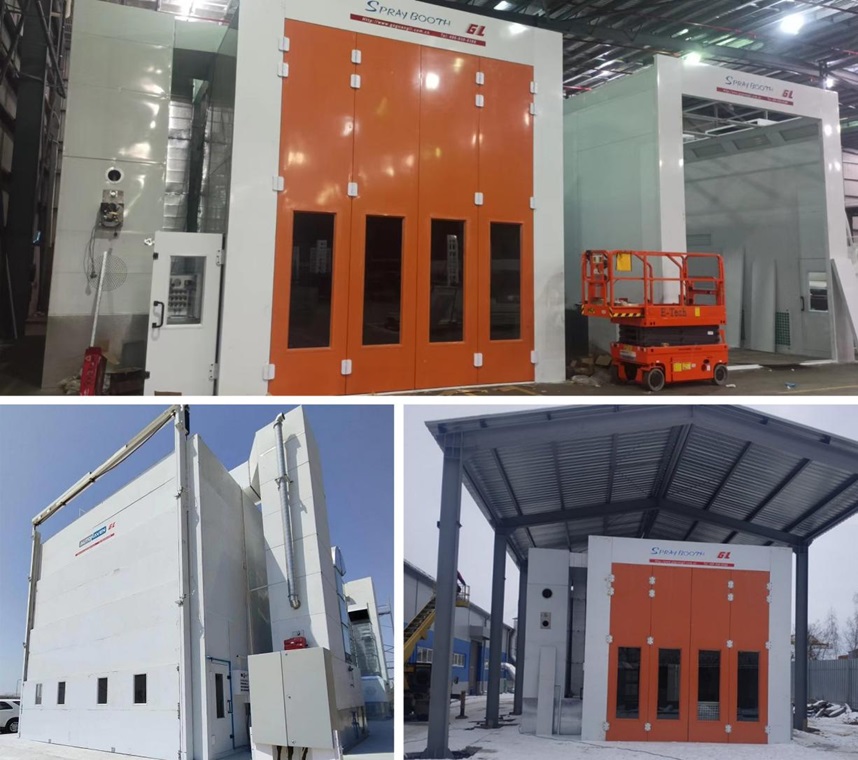
  • Custom Heavy-Duty Industrial Paint Booths

    We design spray booth for sale, especially for quiet operation, long-lasting performance, and effortless installation. Let us assist you in selecting the right booth to meet your industry-specific requirements.


    Invest to purchase a custom heavy-duty industrial spray paint booth is hard job — one that will affect your workplace in profound ways. That’s why all of our custom heavy-duty industrial paint booths are built with responsible design in mind and are manufactured with the highest quality materials and workmanship to ensure perfect results. Here we show you some cases of our big spray booths.

     Custom Heavy-Duty Industrial Paint Booths

    We produce custom heavy-duty industrial spray paint booths are great for many industries, run quietly, are built to last, are easy to install, and are all designed in-house to ensure the highest level of quality. With 30years of experience to back us up, Spray Systems is able to provide maximum flexibility in fabrication, which simplifies field installation while significantly reducing assembly time, effort, and overall expense.

    Request a quote:

    sunnie@gzguangli.com.cn

    WhatsApp: 008613925061383