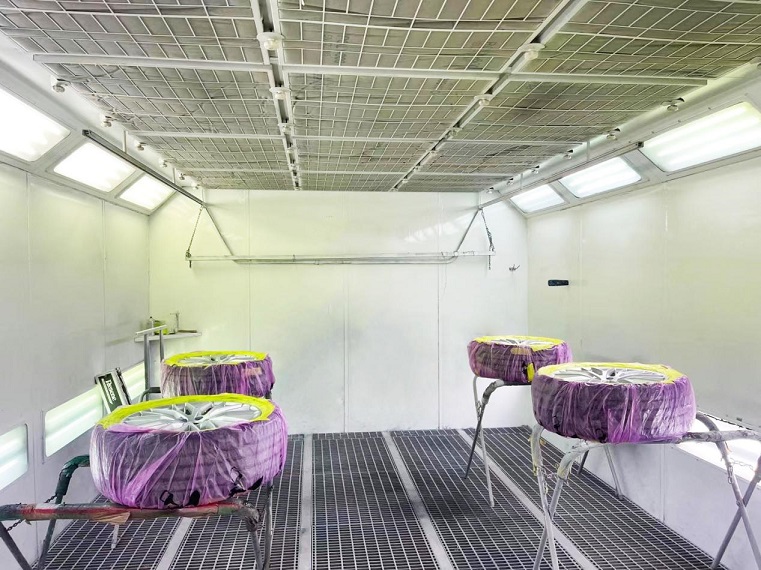
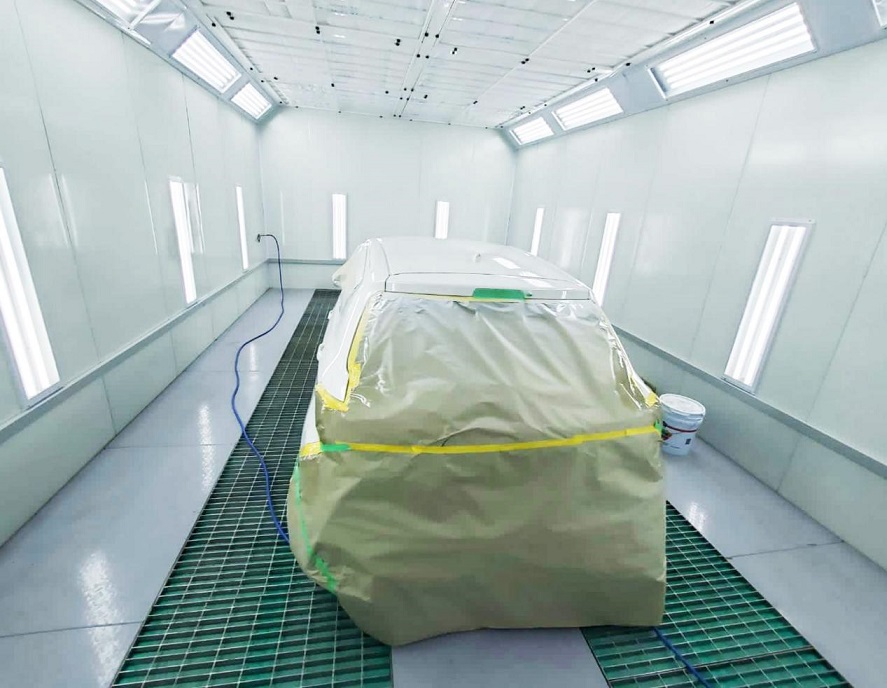
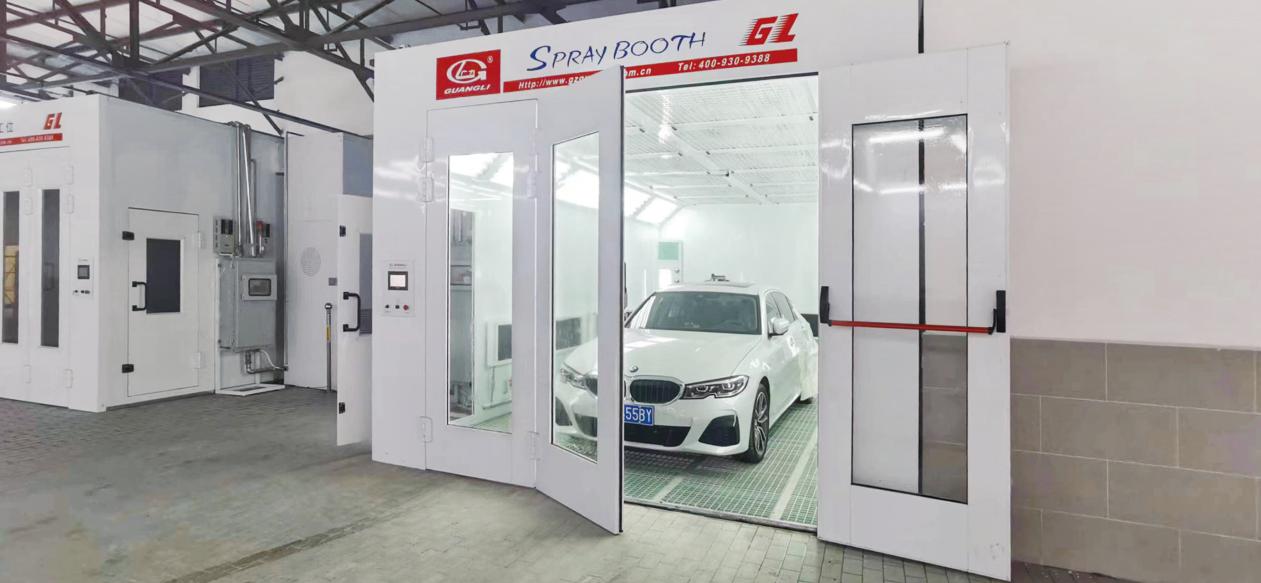
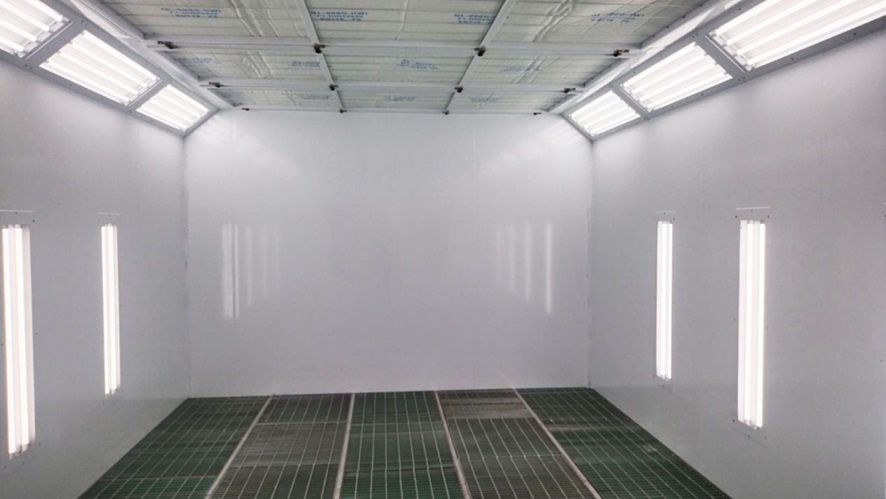
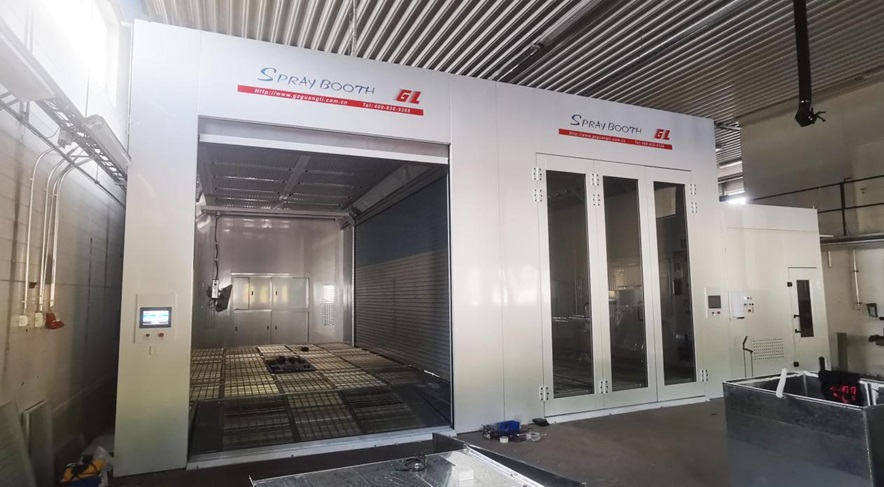
{ downdraft paint booth }

  • How Does a Downdraft Paint Booth Work?

    Vertical airflow creates a clean spraying environment by moving air straight downward. Clean air enters through ceiling filters, travels smoothly over your vehicle, and pulls directly into floor exhaust pits. This continuous movement helps capture airborne particles instantly.

    Dust and airborne contaminants cause over 90% of paint defects in spray booths. Gravity works together with uniform downward air speeds to pull overspray down away from fresh wet finishes. Unlike semi downdraft paint booths or standard industrial spray paint booth setups, a complete downdraft paint booth traps heavy particulates beneath floor grates efficiently. Premier manufacturers like Guangli design high efficiency downdraft booths to secure flawless finishes every time.


    Key Takeaways

    • Downdraft paint booths pull clean air straight down from the ceiling into floor exhaust pits.
    • Vertical airflow combined with gravity removes paint overspray immediately to prevent surface defects.
    • Multi-stage ceiling and floor filters capture fine dust particles and heavy paint residues effectively.
    • Air makeup units heat incoming air and maintain positive air pressure to keep shop dust outside.
    • Continuous downward air movement protects technician health by pulling toxic chemical fumes away from the breathing zone.


    How a Downdraft Paint Booth Works

    Understanding the complete airflow cycle helps you maintain an efficient finishing operation. A high-performance downdraft paint booth relies on continuous mechanical ventilation to create a remarkably clean, temperature-controlled spraying environment for your automotive shop.

    Downdraft Automotive Spray Paint Booth

    Air Intake in a Paint Spray Booth

    Your paint spray booth starts its active mechanical ventilation cycle at the direct-fired Air Makeup Unit (AMU). The AMU pulls fresh outdoor air directly into the supply system and heats it quickly to match your exact processing needs. For example, this system can deliver a 110°F temperature rise over outside air, easily supplying warm 130°F air when outdoor conditions drop down to 20°F. Digital control sensors adjust the burner output continuously to avoid unwanted temperature variations. Meanwhile, integrated variable-frequency drives control intake and exhaust air volume. This precise control maintains your preset booth pressure even as filters collect paint particulates.

    After heating, the intake system pushes conditioned air into a full-length ceiling supply plenum mounted directly above the work chamber. Multi-stage intake filters remove fine dust particles before air touches your vehicle surface:

    Filtration Stage

    Location

    Description

    Stage 1 – Pre-filter

    Ceiling supply plenum

    High-performance synthetic cover mat acting as an initial filtration layer

    Stage 1 – Final filter

    Ceiling supply plenum

    Thermally bonded media with adhesive tackifier capturing fine airborne dust

    Guangli engineers these ceiling diffusion systems with high precision. This engineered layout maintains consistent linear air velocity across the entire cabin width, preventing turbulent eddies and dirty air pockets.


    Downward Airflow and Pit Extraction

    Once air passes through the ceiling diffusion media, it flows downwards over your workpiece. The complete movement cycle processes air smoothly through the cabin enclosure:

    1. Heated, filtered air leaves the ceiling plenum and flows across the entire ceiling width.

    2. The air column moves downward vertically at 50–70 fpm (0.25–0.35 m/s) around the workpiece surface.

    3. Particle-laden air enters the floor exhaust pit spanning almost the entire length of the booth floor.

    4. Underfloor filter media capture heavy paint residues effectively before exhaust fans vent air outside.

    This continuous vertical downward path removes overspray immediately, keeping your wet clear coats pristine. Downdraft booths purge toxic solvent fumes from your breathing zone far better than horizontal systems. Standard crossflow setups create horizontal air paths that often generate turbulence, pushing dust back onto wet panels. Similarly, semi downdraft paint booths pull air diagonally toward back exhaust walls rather than straight down. In contrast, full downdraft booths direct all heavy overspray straight into floor grates before airborne dirt can settle on fresh paint.

    NFPA 33 specifies a minimum 100 fpm average air velocity across the booth cross-section measured at the floor grate area under normal operating conditions.

    Heavy-duty steel floor grates safely support full vehicle weight while allowing contaminated air to pass into underfloor exhaust pits. Layered arrestor filters inside the pit capture sticky paint particles on filter fibers. This multi-layer filtration protects exhaust fan blades and ductwork from heavy buildup. An industrial spray paint booth utilizing this precise exhaust drafting system maintains high safety standards and delivers flawless finishes consistently.


    Filtration Stages in the Spray Booth

    Downdraft Bus Painting Spray Booth

    Your downdraft spray booth relies on an advanced multi-stage cleaning process to produce flawless finishes. Air passes through distinct physical barriers from the ceiling intake plenum down to the floor exhaust stack.


    Ceiling Diffusion Media

    Ceiling intake filters act as the primary defense against fine dirt inside the spray booth. Synthetic non-woven fibers or high-density fiberglass pads remove fine dust particles down to 10 microns. These diffusion media pads carry a MERV 10 rating or higher and capture over 99% of fine airborne contaminants before air enters your active spraying zone. Clean air moves steadily through this entire ceiling layer to safeguard fresh clear coats against dirt nibs.

    High-efficiency diffusion panels spread incoming air uniformly across the full width of the ceiling plenum. This carefully engineered layout creates a smooth, non-turbulent laminar airflow pattern without dirty air pockets. You must replace ceiling diffusion media every 1,000–1,500 operating hours or when differential pressure rises by 150 Pa above the initial reading. Timely filter replacement prevents sudden air speed drops across your booth chamber.


    Floor Arrestors and Exhaust Filters

    Particle-laden air flows downward over the vehicle surface and passes through heavy-duty steel floor grates into the exhaust pit. Exhaust arrestor pads capture sticky overspray aerosols beneath the floor grates before hazardous fumes leave the cabin enclosure. Finishing shops install expanded-paper pads featuring six expanded layers with polyester backing or textured polyester media to trap paint particulates efficiently.

    A high-performance filtration system protects exhaust fan blades and ductwork from heavy overspray accumulation. NFPA 33 safety standards require the final exhaust stack to extend at least 6 feet above the highest point of your building structure to disperse vapors safely. You need to change floor arrestor pads every 60–100 operating hours or when pit pressure reaches 80–100 Pa. Regular filter change-outs eliminate lingering overspray, protecting your equipment and maintaining balanced vertical ventilation throughout your shop.


    Air Makeup Units and Pressure Balance

    Air makeup units maintain optimal operational conditions inside your finishing cabin enclosure. An air makeup unit pulls clean outdoor air into the main supply system, conditions the incoming air stream, and pushes fresh air directly into your active spraying workspace.


    Temperature Conditioning and Heating

    An air makeup unit preheats fresh outdoor air continuously during active finishing operations. You adjust digital burner controls to achieve exact air temperatures for smooth paint application. Precise thermal management helps liquid coatings flow evenly over vehicle body panels without runs, sags, or solvent pops.

    Controlled temperature settings accelerate curing times during high-heat bake modes. Your supply heating system raises cabin temperatures efficiently after active spraying operations end. Proper thermal distribution protects sensitive electronic vehicle components while baking wet clear coats thoroughly and evenly.


    Static Pressure and Overspray Control

    Pressure balance controls air movement inside your spray booth. You must keep supply fan air volume slightly higher than exhaust fan air volume. This precise mechanical pressure balance creates a positive pressurized environment that shields fresh paint against dirty shop floor dust.

    1. The air makeup unit pushes conditioned air into the supply plenum at a controlled rate.

    2. Supply volume exceeds exhaust volume to create positive pressure inside the cabin.

    3. Air moves outward through door seals whenever operators open cabin doors.

    4. Balanced ventilation carries overspray and contaminants directly toward floor exhaust pits.

    The recommended positive static pressure differential is 0.02 to 0.05 inches of water column.

    Guangli pit designs optimize exhaust drafting beneath heavy floor grates to capture paint fumes safely. Proper pressure control preserves uniform air speeds across modern downdraft booths. Standard semi downdraft paint booths or traditional industrial spray booth layouts lose pressure stability when exhaust filters collect paint waste. In contrast, advanced downdraft booths adjust fan speeds automatically as filter loading rises toward 1.5–2.0 in. w.c., removing airborne particulates reliably.


    Key Benefits of a Downdraft Paint Booth

    Contamination Control and Finish Quality

    Vertical downward ventilation protects your fresh clear coat finishes from loose airborne particles inside the active spray zone. Clean, filtered air enters through full ceiling diffusion panels and travels straight down over the vehicle body. This continuous vertical path pulls wet paint overspray away immediately, preventing dust, dirt, and trapped moisture from causing unsightly blemishes on fresh clear coat surfaces.

    A professional downdraft paint booth maintains airflow velocity between 50–125 FPM across the entire workspace to produce a high-quality finish consistently. Gravity works directly with this controlled downward air velocity to extract heavy paint mist through floor grates. Uneven or insufficient air speeds create common coating defects like orange peel, severe color variation, and surface dust nibs. While semi downdraft paint booths draw air diagonally toward back wall exhausts, full vertical airflow maintains uniform pressure around every body panel.


    Operator Safety and Hazardous Fume Removal

    Floor exhaust extraction systems in downdraft booths protect operator health by pulling harmful chemical fumes straight down away from your breathing zone. Constant downward ventilation dilutes flammable solvent vapors to 25% of the lower explosive limit or lower during heavy spraying operations. This rapid extraction sweeps dense solvent vapors directly into underfloor filter pits, preventing dangerous flammable gas accumulation inside the cabin enclosure.

    Balanced air movement inside modern downdraft booths keeps toxic volatile organic compounds well within safe legal exposure limits. You should always consult the Safety Data Sheet for each paint material to review specific chemical hazard limits and mandatory personal safety guidelines. Recognized health standards enforce strict exposure limits, such as 20 ppm for ethylbenzene and xylene, alongside a 0.5 ppm limit for benzene vapors. Operating a downdraft paint booth or an industrial spray paint booth with constant airflow protects shop technicians while meeting essential regulatory compliance standards.


    Downward vertical airflow removes airborne contaminants instantly. Pure ceiling intake media, controlled heating, and positive static pressure work together inside a Guangli downdraft paint booth to protect your workspace. This system pulls heavy overspray straight into floor exhaust pits. You avoid dust nibs and secure a high-quality finish on every job.

    Upgrading your facility delivers immediate operational benefits. A full downdraft paint booth can increase daily job output by 40–60% and return your investment in 12–24 months. Standard industrial spray paint booth models and semi downdraft paint booths simply cannot match this performance. Upgrade your shop operations today to boost productivity and finish clean.


    FAQ

    What is the main difference between downdraft paint booths and semi downdraft paint booths?

    Downdraft booths pull clean air straight down into floor exhaust pits. In contrast, semi downdraft paint booths pull air diagonally across your vehicle toward back wall exhausts. Full vertical airflow traps heavy paint overspray faster, protecting your wet clear coat finishes from loose shop dust.

    How often should you change the filters in your downdraft spray booth?

    You must replace ceiling diffusion media every 1,000 to 1,500 operating hours. Replace underfloor exhaust arrestor pads every 60 to 100 operating hours. Regular filter replacement maintains proper vertical airflow velocity and protects your exhaust ductwork from heavy paint buildup.

    What air velocity should a standard downdraft paint booth maintain?

    A full downdraft booth maintains a downward air velocity between 50 and 70 fpm around your workpiece. NFPA 33 specifies an average air velocity of 100 fpm across the floor grate area. Proper air speed carries hazardous fumes away from your breathing zone quickly.

    Why does positive static pressure matter in an industrial spray paint booth?

    Positive static pressure keeps shop floor dust outside your spraying area. Your air makeup unit supplies slightly more air than the exhaust fan removes. This pressure balance pushes clean air outward when you open booth doors, keeping fresh finishes clean in your industrial spray paint booth.

  • How to Avoid Common Mistakes When Choosing an Auto Paint Booth

    You want to pick the best auto paint booth for your garage, but it’s easy to make mistakes. Many buyers forget to check the booth size, ventilation, and safety features. Some build homemade booths that cause poor airflow and health risks. Others buy used booths with hidden problems or spend too much on fancy models that don’t fit their needs. Before you choose a paint booth, think about your garage and what you really need.


    Key Takeaways

    • Pick a paint booth that fits your garage. This helps keep things safe and working well. Measure your garage before you buy anything.
    • Make sure your paint booth has good airflow and bright lights. Airflow and lighting help keep people safe. They also make the paint look better.
    • Add safety features like fire suppression systems. Use explosion-proof equipment to keep your team safe. These features protect your money and people.
    • Choose a paint booth that matches what you need. Downdraft booths give the best finish. Cross-draft booths cost less money.
    • Think about costs that come after you buy the booth. You need to pay for installation and upkeep. Energy use can also cost more than you expect.


    Choosing the Right Size Paint Booth

    Spray Paint Booth

    Garage Space and Layout

    Picking the right size paint booth for your garage makes a huge difference in how you work. If you choose a booth that’s too small, you’ll struggle to move around and finish jobs safely. A booth that’s too big can waste space and money. You want a spray paint booth that fits your garage and your production goals. Think about how many cars you plan to paint and what types you’ll work on. For most sedans, coupes, and hatchbacks, a spray booth with an interior size of about 23' 8" long, 13' wide, and 9' high works well. If you handle large SUVs or trucks, you’ll need a bigger spray paint booth—something closer to 8,250 mm x 4,300 mm x 3,600 mm. Here’s a quick look at common sizes:

    Type of Vehicle

    Minimum Dimensions (ft)

    Maximum Dimensions (ft)

    Standard Automotive

    10 x 10

    30 x 50

    Sedan/Coupe/Hatchback

    23' 8" x 13' x 9'

    24' x 13' 4 ¼" x 11' 6"

    Large SUVs/Pickup Trucks

    27' x 14' x 12'

    28' x 15' x 14'


    Booth Positioning and Access

    You want your paint booth in a spot that makes sense for your workflow. Place the spray booth near your prep area so you can move vehicles in and out easily. Try to follow the natural flow of your repair process. This setup saves time and keeps things organized. Make sure your spray paint booth connects to a strong ventilation system. Good airflow keeps you safe and helps your paint jobs look great. Isolate the booth from other work areas to avoid cross-contamination. Always check that your booth’s location meets OSHA rules for ventilation and fire safety.


    Planning for Future Needs

    Don’t just think about today—plan for tomorrow. If you expect your business to grow, choose a right size paint booth that can handle more cars or bigger vehicles down the road. You might start with sedans, but later you could work on trucks or vans. A larger spray booth gives you flexibility and saves you from costly upgrades. Make sure your paint booth can keep up with your production goals for years. Automotive spray booths that fit your future needs help your shop stay productive and safe.

    Tip: Measure your garage carefully before you buy a paint booth. Leave enough room for doors to open and for you to move around comfortably.


    Overlooking Ventilation and Lighting

    Europe Standard Auto Spray Paint Booth

    When you set up a paint booth, you can’t ignore ventilation and lighting. These two things keep you safe and help you get a smooth finish on every job. If you skip them, you risk your health, your work, and even your business.


    Proper Ventilation Systems

    A good paint booth needs a strong ventilation system. This system pulls out harmful fumes and brings in fresh air. Without it, you might breathe in toxic chemicals or face fire risks. You also want to avoid dust and overspray that can ruin your paint job. Here’s a quick look at the main parts of a spray paint booth ventilation system:

    Component

    Contribution to Safety

    Contribution to Paint Quality

    Fans

    Remove harmful fumes and ensure compliance

    Improve airflow, reducing overspray

    Filters

    Capture VOCs and contaminants

    Enhance finish quality by preventing dust

    Ductwork

    Ensure efficient airflow and avoid leaks

    Maintain consistent air pressure for even coating

    Industry standards say your paint booth should have airflow rates between 80 and 150 feet per minute. This keeps vapors and mists away from you and your team. If you don’t meet these rules, you could face fines or even shut down your shop.

    Tip: Always check that your spray paint booth meets OSHA and NFPA rules for ventilation and airflow.


    Lighting for Safe Painting

    You need bright, even lighting in your paint booth. Good lighting helps you see every detail and avoid mistakes. The best options for a spray paint booth include:

    • LED lighting for bright, clear light and low maintenance.
    • Fluorescent lighting for even coverage and low heat.
    • Explosion-proof lighting for safety in areas with flammable fumes.

    Make sure you use white, full-spectrum lights. Place them so you don’t get shadows or dark spots. Replace bulbs as soon as they burn out, and keep extras on hand. If you use the wrong bulbs, your colors might look off.


    Airflow and Filtration

    Airflow and filtration work together in your paint booth. Filters catch dust and chemicals before they reach your lungs or your paint job. If you skip regular filter changes, you’ll see more defects and spend more time fixing mistakes. Poor airflow can slow down your work and cost you money. Always keep your paint booth filters clean and check airflow often.

    Note: A well-ventilated paint booth protects your health, keeps your work area safe, and helps you deliver top-quality results every time.


    Ignoring Paint Booth Safety Features

    When you pick a paint booth, you can’t ignore the safety factor. Many people focus on size or price and forget about the features that keep you and your shop safe. Let’s look at what you need to protect your team and your investment.

    Fire Suppression and Explosion-Proof Systems

    A paint booth handles flammable paints and vapors every day. Fires can start fast if you don’t have the right protection. You need fire suppression systems and explosion-proof equipment to lower the risk. Here’s a quick table to show the most important safety features:

    Safety Feature

    Description

    Fire Suppression Systems

    Automatic sprinklers and thermal sensors put out fires quickly.

    Proper Ventilation and Airflow

    Removes fumes and overspray for a safer work area.

    Explosion-Proof Lighting

    Stops sparks from starting fires in flammable vapor zones.

    Filter Monitoring Systems

    Alerts you when filters need changing to keep airflow safe.

    Emergency Exits and Safety Signage

    Clear exits and signs help everyone get out fast in an emergency.

    You also need to watch out for flammable gases and vapors. If they reach a certain level, they can explode. Static electricity or sparks from equipment can start a fire in your paint booth. Explosion-proof lighting and grounded equipment help prevent these dangers.


    Thermostatic Controllers

    A paint booth works best when you control the temperature and humidity. Thermostatic controllers help you do this. They keep the air at the right level for painting and drying. If the air gets too hot or too cold, your paint job can fail. Stable conditions also make your booth safer by stopping dangerous fumes from building up. You get better paint finishes and fewer problems with dust or moisture.


    Meeting Local Codes and Regulations

    Every paint booth must meet strict rules. These rules come from groups like NFPA, OSHA, and the EPA. You need to check your local codes before you install a paint booth. Some of the main rules include:

    • NFPA-33: Sets standards for how to build and use spray booths.
    • OSHA: Makes sure your paint booth is safe for workers.
    • EPA: Controls the fumes and chemicals your booth releases.
    • IFC: Covers fire safety in your area.

    You also need permits from your city or fire department. These permits show that your paint booth meets all safety and environmental rules. If you skip this step, you could face fines or have to shut down your shop. Always check for the latest requirements before you buy or install a paint booth.

    Tip: A safe paint booth protects your business, your workers, and your customers. Never cut corners on safety features or legal requirements.


    Not Matching Booth Type to Your Needs

    Choosing the right paint booth type can make or break your shop’s success. If you pick the wrong one, you might waste money or get poor results. Let’s break down the main options so you can match your paint booth to your work.

    Down-Draft vs. Other Booth Types

    You’ll see three main types of paint booths: downdraft, cross-draft, and side-draft. Each one has its own strengths. Check out this table to see how they compare:

    Feature

    Downdraft Spray Booths

    Cross-Draft Spray Booths

    Side-Draft Spray Booths

    Airflow Pattern

    Vertical (ceiling to floor)

    Horizontal

    Horizontal (side to side)

    Overspray Control

    Excellent

    Fair

    Good

    Finish Quality

    Superior

    Basic

    High

    Installation Cost

    Higher

    Lower

    Moderate

    Ideal Use

    High-end, precision

    Budget, general

    Balanced, flexible

    Downdraft spray paint booth models give you the best finish. They push air straight down, so dust and overspray don’t land on your work. Cross-draft booths move air from one end to the other. They cost less but can leave more overspray on your paint. Side-draft booths offer a middle ground. They work well for many shops and cost less than downdraft booths.

    Tip: If you want top-quality results for every painting project, a downdraft auto paint booth is your best bet. For basic jobs or tight budgets, a cross-draft or compact spray paint booth might work better.


    High-Production vs. Basic Setups

    Think about how many cars you plan to paint. If you run a busy shop, you need a paint booth that can handle lots of work. High-production automotive spray booths fit bigger vehicles and let you paint more cars each day. They also keep your finishes even and smooth. For smaller jobs or hobby work, a basic paint booth setup will do the trick. Most shops do well with a booth that’s about 14 feet wide, 24 feet long, and 10 feet tall. This size gives you room to move and paint without bumping into things.

    • High-production paint booths: Handle big jobs, cost more, and need more space.
    • Basic paint booths: Good for small shops or home garages, cost less, and take up less room.


    Equipment Compatibility

    Before you buy a paint booth, check if it fits your garage and tools. You want at least three feet of space around all sides of your booth. Make sure your airflow and ventilation systems can keep up, especially if you pick a larger spray paint booth. Always follow local safety rules and codes. Install your paint booth the right way so it works well and keeps you safe.

    • Size and fit: Your paint booth should match your garage and the vehicles you paint.
    • Airflow: Bigger booths may need extra air makeup units.
    • Safety: Meet all local codes and safety standards.
    • Installation: Set up your paint booth correctly for the best results.

    Note: Matching your paint booth to your needs saves you money, boosts your work quality, and keeps your shop safe.


    Underestimating Long-Term Costs

    When you look at paint booths, you might just see the price. But that is only one part of what you pay. You need to think about all the costs over time. If you forget this, you might spend much more than you wanted.

    Upfront vs. Ongoing Expenses

    Buying a paint booth is only the start. You also need money for installation and building fees. Sometimes, setting up the booth costs more than buying it. Here are some things you should plan for:

    • The price of the paint booth
    • Costs for installing and building upgrades
    • Equipment for making and packing products
    • Setting up a paint mixing room
    • Regular maintenance and running costs

    If you plan for these, you will avoid surprises. Your shop will run better and smoother.


    Maintenance and Energy Use

    Maintenance and energy use can get expensive over time. Different booth types, like downdraft and crossdraft, cost different amounts to install and run. Downdraft paint booths need more work to set up but give better results. Crossdraft booths are cheaper to install but may not give the same finish. Bigger booths use more power for air and heat. Energy-saving models help lower your bills. You should also look at upgrades that make your booth faster and save energy.

    Many business owners forget about energy use. This is a big mistake. You should always think about energy costs when planning for a new or replacement paint booth.


    Warranty and Support

    Don’t forget about warranty and support. Good warranties do more than fix things. They help with installation, regular checkups, emergency repairs, and plans to stop problems before they start. These services keep your booth working well and protect your money. If you pick a booth with strong support, you worry less about breakdowns.

    Tip: Always ask about warranty and support before you buy. This can help you save money and avoid stress later.


    When you choose an auto paint booth, watch out for these common mistakes:

    1. Skipping daily cleaning routines

    2. Ignoring safety procedures

    3. Using too much paint

    4. Forgetting operator training

    Careful planning and research help you avoid problems and save money. If you feel unsure, talk to experts or local authorities. They make sure your shop meets safety rules and stays efficient for years.

    • You get better paint jobs
    • Your team stays safe
    • Your shop follows all codes


    FAQ

    What size paint booth do you need for most cars?

    You need a booth at least 24 feet long, 13 feet wide, and 9 feet high for sedans and hatchbacks. If you paint trucks or SUVs, pick a larger booth.

    How often should you change paint booth filters?

    Change filters every two weeks if you paint daily. If you paint less often, check them monthly. Clean filters keep your air safe and your paint jobs smooth.

    Do you need a permit to install a paint booth?

    Yes, you need a permit from your city or fire department. Always check local rules before you buy or install a booth. Permits help you avoid fines and keep your shop safe.

    What is the difference between downdraft and cross-draft booths?

    Feature

    Downdraft Booth

    Cross-Draft Booth

    Airflow

    Ceiling to floor

    End to end

    Finish

    Smoother

    Basic

    Cost

    Higher

    Lower

    Downdraft booths give you a cleaner finish. Cross-draft booths cost less.

  • Downdraft paint booth design application

    Guanlgi supplies paint booth design application under the highest quality and environmental protection standards.


    Our extensive experience in the selection and installation of paint application equipment allows us to offer standard spray booths or the custom spray booths with control of parameters such as temperature, relative humidity, and air speed. We supply both small booths for the application of workpieces and big paint booths for products as large as those for the aerospace and railway industries.


    Air enters the spray booth through a filter plenum that corresponds to one third of the booth roof and flows down through the product. Air is drawn through chambers located at the rear or side of the booth. These booths are a hybrid of crossdraft or downdraft paint booth, as it combines the characteristics of both.


    If you need to know more informations, you can follow our website: https://www.gzguangli.com/

    Or send email to us talk about our spray booth: sunnie@gzguangli.com.cn

    Or WhatsApp to us directly: 008613925061383

    custom spray booths

  • Downdraft paint booth for sale

    A key component for fast repair cars to happen is having a good, modern spray paint booth in optimal maintenance condition. After all, with the best facilities, work becomes easier, faster, and, consequently, we are much more productive.


    Next, we will explain how Guangli’s automotive paint booths work, as Guangli is one of the most popular and spray booth supplier in China and sell to all over the world


    Principles of operation and key elements of a paint booth:

    By theoretical and practical definition, a downdraft paint booth is a completely closed and airtight enclosure with positive air pressure. It circulates warm air at an appropriate velocity to paint and dry the applied paint on a vehicle in the shortest time possible. The paint booth consists of the painting enclosure itself, as well as the generator group with a hot air blower/burner, filters, and electronic controllers.

    If you need to know more informations, you can follow our website: https://www.gzguangli.com/

    Or send email to us talk about our spray booth: sunnie@gzguangli.com.cn

    Or WhatsApp to us directly: 008613925061383


  • What is downdraft paint booth?

    Paint booths are essential equipment for any industrial refinishing or automotive paint shop. It's a necessary investment. It provides a controlled environment for spraying paint and other coatings, helping to ensure a high-quality finish. Paint booths also help protect the painter from harmful fumes and paint mist.

    We essential introduction to the Downdraft Paint Booth

    A downdraft spray booth is a fully enclosed spray booth with airflow straight down design, which many experts agree creates good environment for high-quality finish work. Spray paint booths are usually large enough to accommodate vehicles and other big items.

    This type of booth is extremely effective at managing contaminants and overspray. Because the exhaust system requires grids basement in the floor.

    Get Your Custom Quote in 24 Hours: +8613925061383

    Or send email to us: sunnie@gzguangli.com.cn

    Or check our website and leave messages to us: https://www.gzguangli.com/

    downdraft paint booth

  • Heated downdraft paint booth designs to meet your painting needs

    Our heated downdraft spray booth is a comprehensive solution for your painting requirements. It is equipped with a direct-fired air make-up unit that heats fresh air, which is then directed downward through a fully filtered ceiling. This ensures optimal airflow and paint distribution within the booth. The operator can easily set the temperature of this booth. This design is built for a pitted exhaust system (the pit is not included). We provide the booth, the Sure-Cure air makeup unit, the floor grates and filters for your downdraft paint booth.Read more about the spray booth on our website: https://www.gzguangli.com/

    downdraft spray booth


    As a leading Chinese paint booth manufacturer, our heated downdraft paint booths are built to the highest quality standards using by galvanized steel. We are also able to provide you with a custom paint booth solution to meet your needs and have it delivered quickly.

    custom paint booth

    GZ Guangi EFE Co.,LTD was established in 1994 to service the auto body and collision repair industry. Manufacturing paint booths since 1994, we provide paint booths to automotive body shops, automobile repair and restoration shops and industrial markets.