Selection of Forklift Tonnage A Comprehensive Analysis of Application Scenarios for 1.5-Ton, 2-Ton, 3-Ton, and 5-Ton Models
In the procurement of forklifts, the selection of tonnage is a critical determinant of operational efficiency and cost management. An insufficient tonnage may lead to load-lifting failure or increased risk of rollover, while an excessive tonnage results in elevated procurement and operational costs, as well as operational inconvenience in confined spaces. This paper aims to clarify the respective application scenarios of 1.5-ton, 2-ton, 3-ton, and 5-ton forklifts, with reference to reliable equipment options such as those offered by CHINLIFT Forklift.
- 1.5-Ton Forklifts: Preferred for Light-Duty Warehouse and Multi-Floor Operations
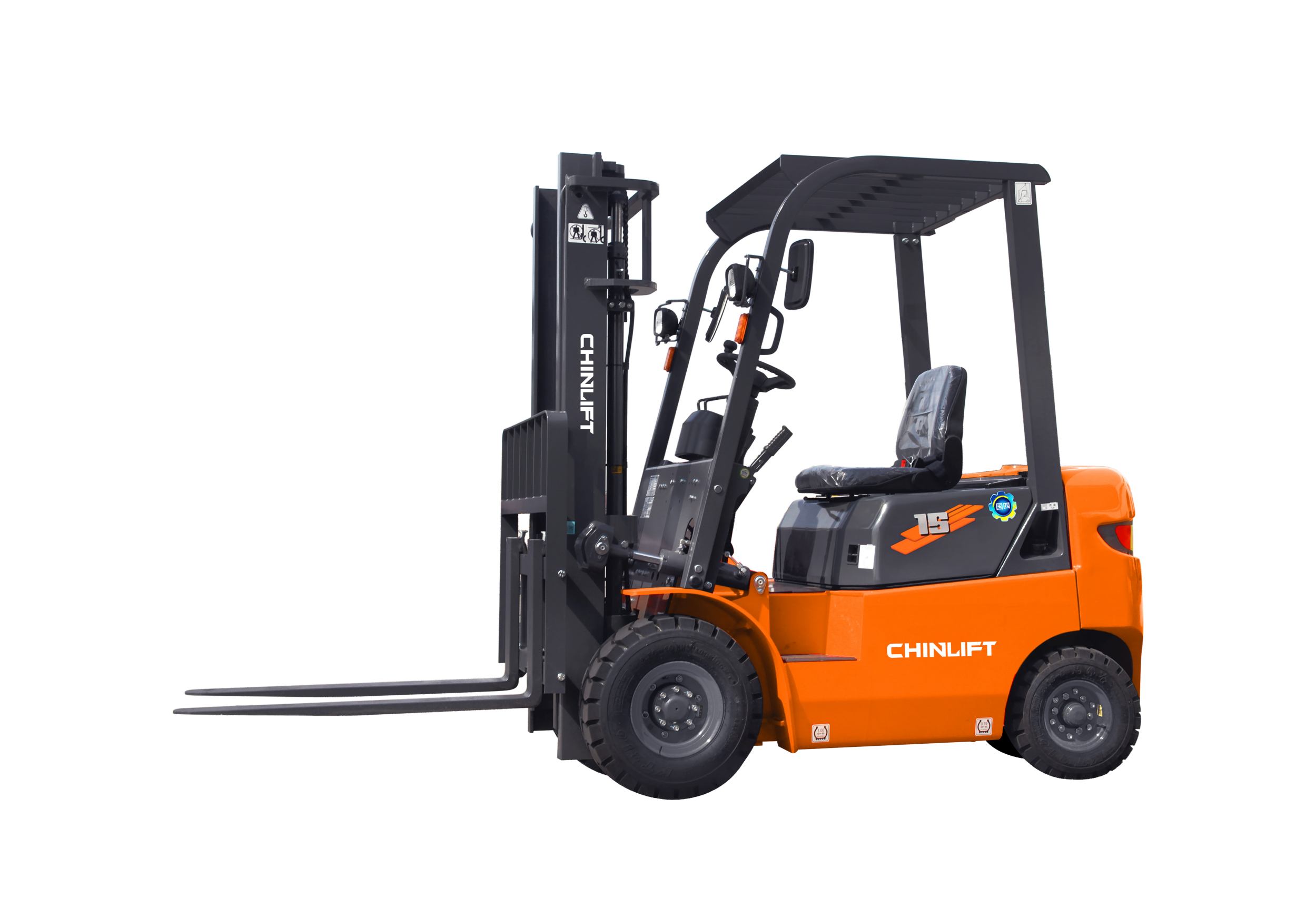
1.5-ton forklifts, characterized by high maneuverability and a small turning radius, are highly suitable for light-duty material handling scenarios such as multi-floor warehouses, supermarket distribution centers, and electronic component factories. Common loads include cartons, component pallets, and lightweight packaging materials, with the weight per pallet typically controlled at approximately 1 ton. Owing to their low self-weight, these forklifts can be safely operated in warehouses on the second floor or above where floor load-bearing capacity is limited.
- 2-Ton Forklifts: The Primary Choice for Standard Pallet Operations
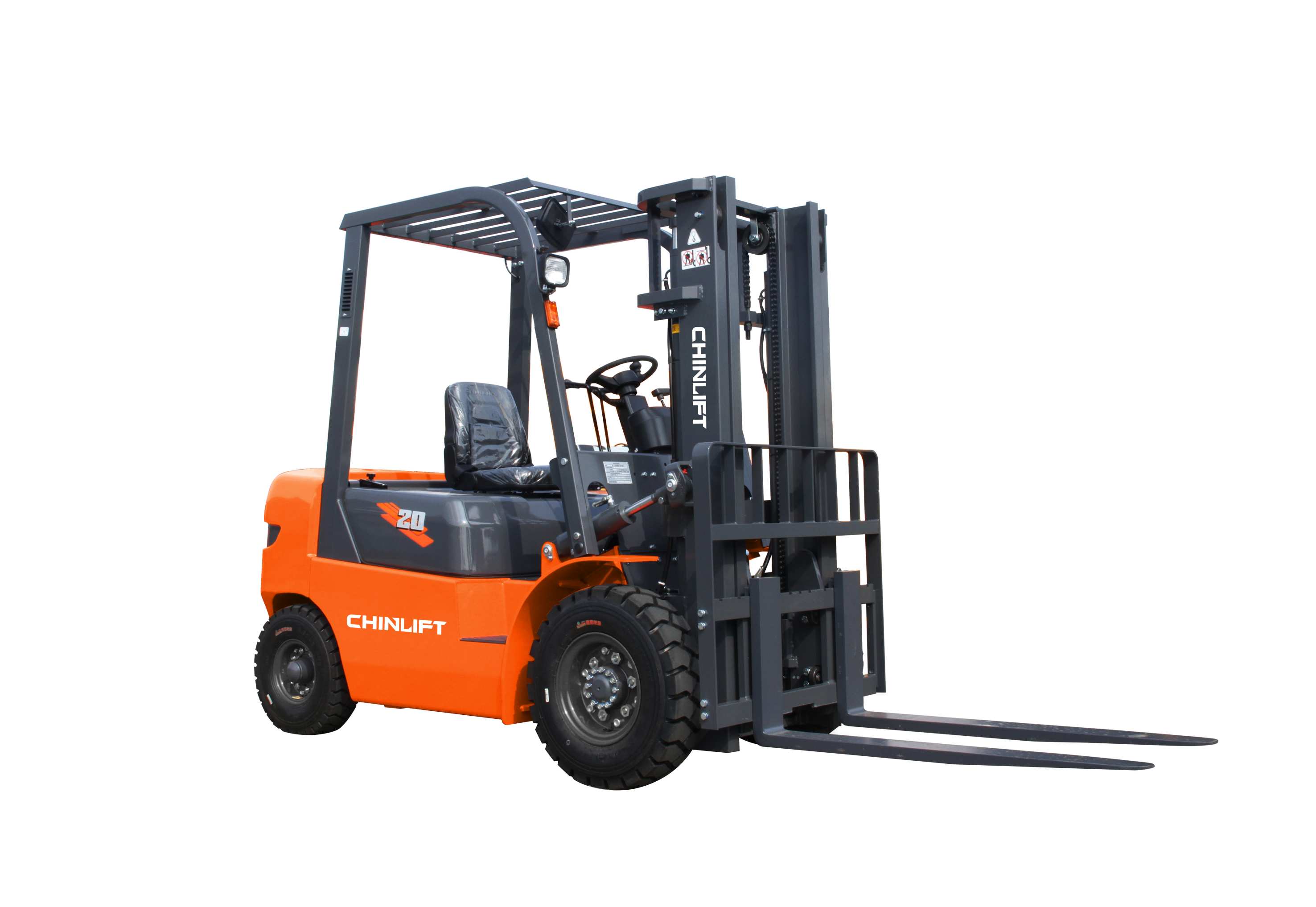
The 2-ton forklift is the most widely used model in manufacturing enterprises and small-to-medium-sized logistics centers. It exhibits excellent compatibility, capable of handling most standard pallets (with a net cargo weight ranging from 1.5 to 1.8 tons), while maintaining satisfactory aisle-passing capability. In industries such as textiles, food processing, and hardware manufacturing, daily raw materials and finished products generally fall within this weight range, making the 2-ton forklift the most cost-effective option.
- 3-Ton Forklifts: Heavy-Load Universal Models
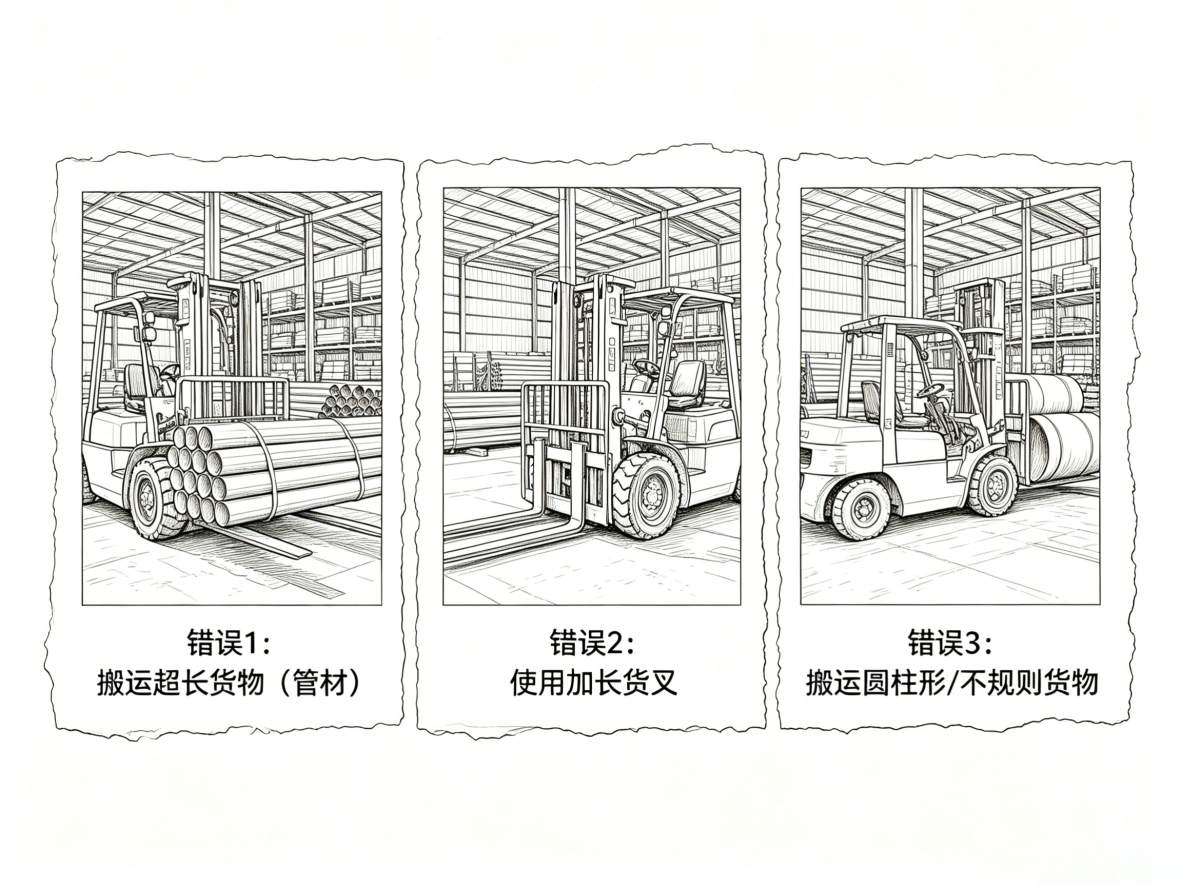
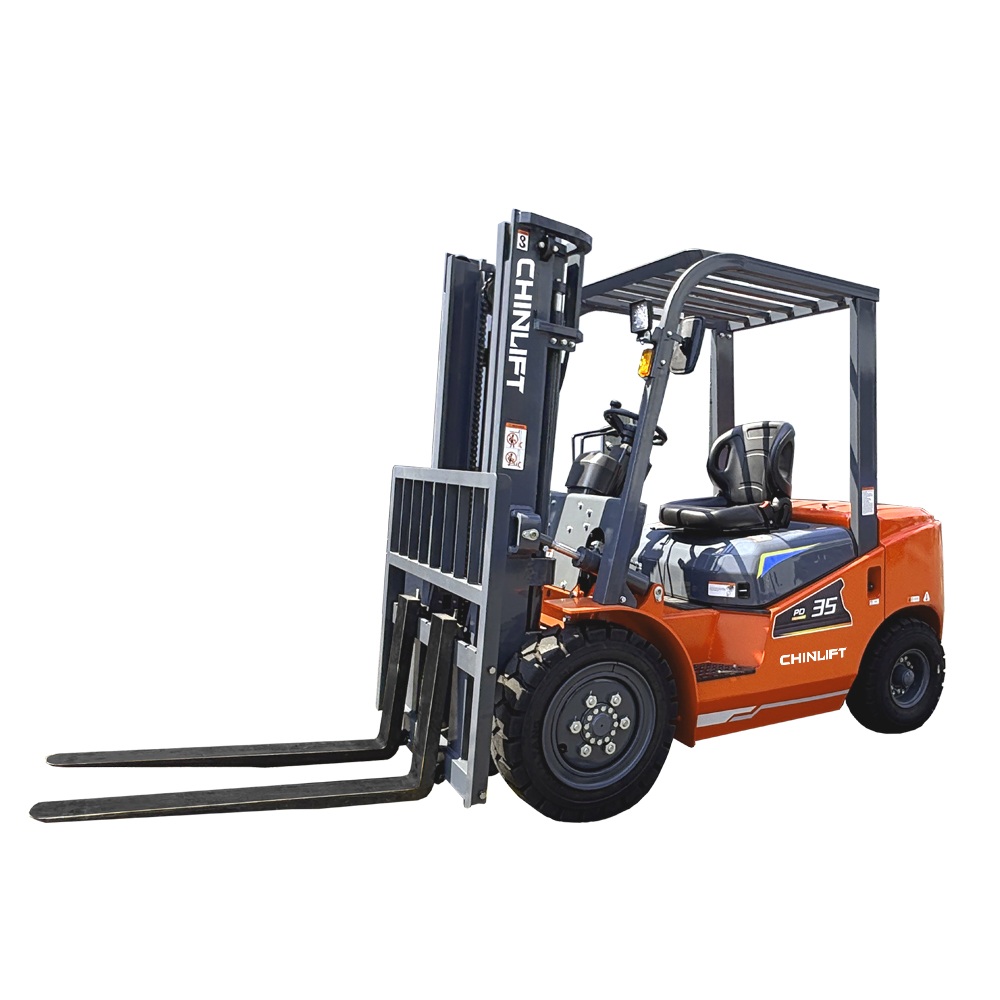
The 3 ton diesel forklift is a popular choice in the material handling industry. The 3-ton forklift has the highest market penetration, covering medium-to-heavy-duty scenarios such as mechanical processing, building materials, and beverage wholesale. Typical applications include handling bundled steel, full chemical drums, palletized beverages, and ceramic products. Compared to 2-ton models, 3-ton forklifts offer a more ample safety margin, enabling them to handle occasional overloads with ease, while the increase in fuel consumption and maintenance costs remains limited. For outdoor or continuous operation environments, a heavy duty diesel forklift in the 3-ton class provides excellent durability and lower long-term fuel costs.
- 5-Ton and Above Forklifts: Specialized for Large Cargo
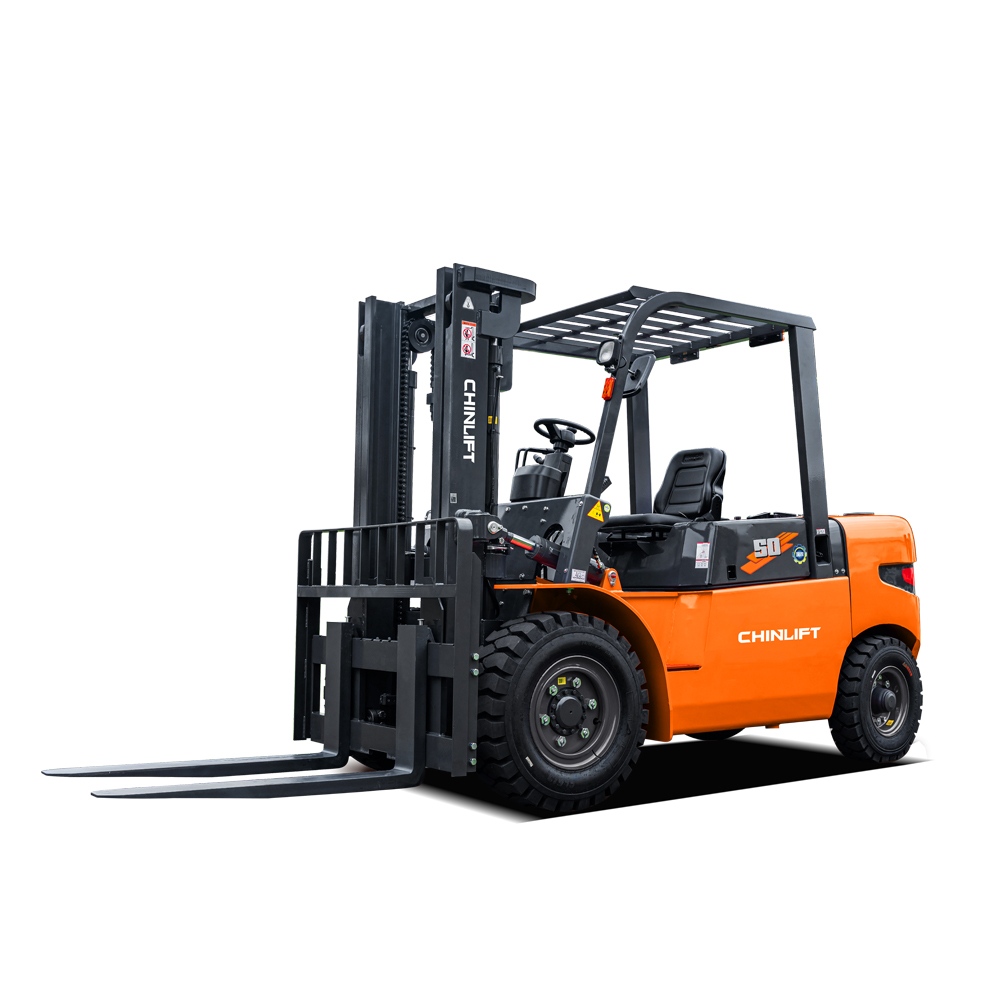
The 5 ton diesel forklift is widely adopted for heavy-load scenarios. 5-ton forklifts are applicable to scenarios involving heavy equipment, large castings, wood processing, and port yards. Common loads include engine assemblies, large steel coils, and raw stone blocks. It should be noted that 5-ton forklifts have a wide body and a large turning radius, making them unsuitable for operations in indoor areas with dense shelving; they are more appropriate for outdoor yards or spacious workshops. For load requirements exceeding 5 tons, models with a tonnage of 6–10 tons or even larger should be considered. When selecting a heavy duty diesel forklift above 5 tons, factors such as fuel efficiency, maintenance access, and brand reliability—CHINLIFT Forkliftbeing one notable option—should be carefully evaluated.
Two Fundamental Principles for Tonnage Selection
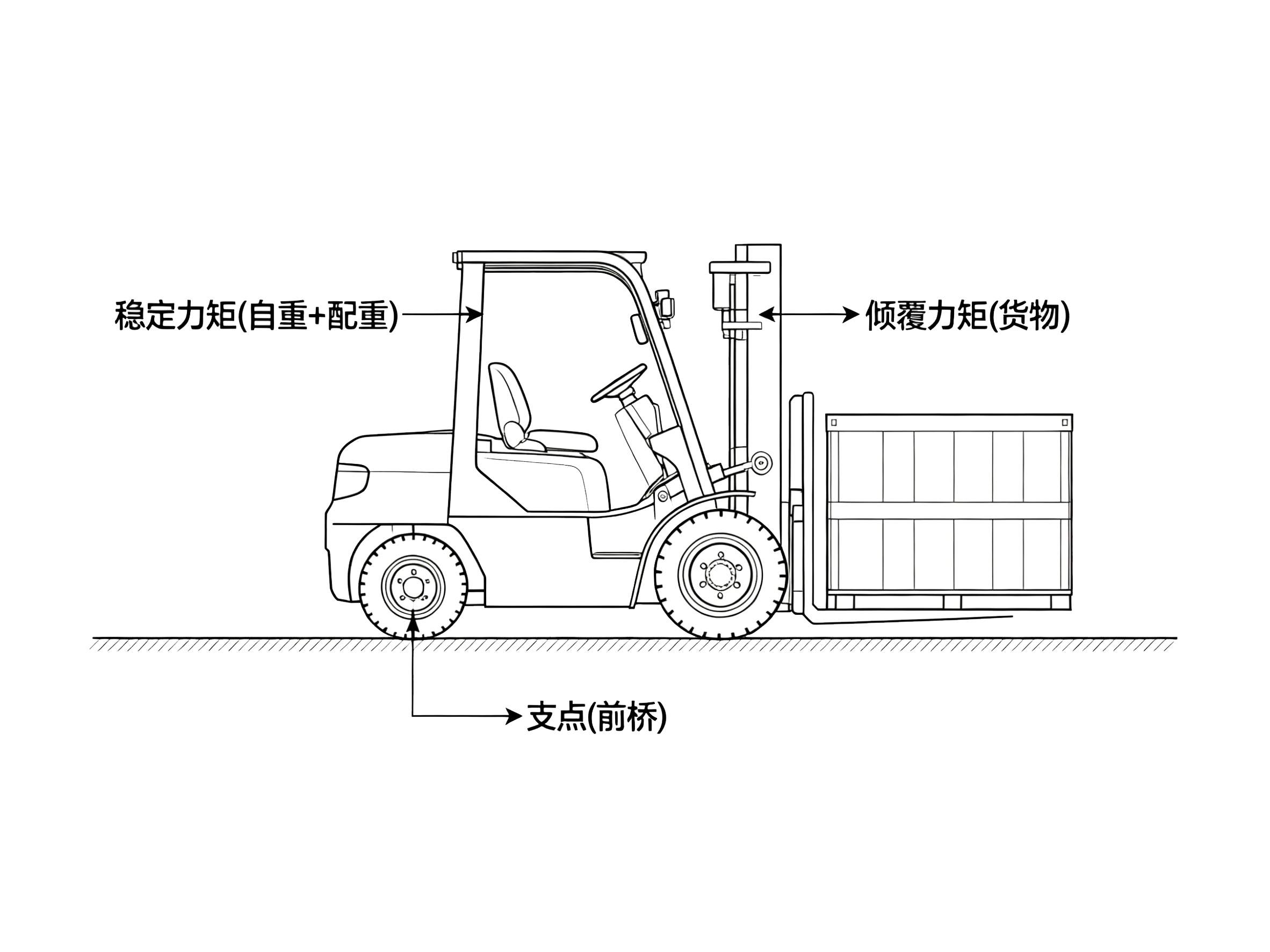
First, the cargo weight should not exceed 80% of the forklift's rated lifting capacity to reserve a safety margin. Second, attention should be paid to the load center distance—an actual shift in the center of gravity may reduce the effective lifting capacity.
In summary, 1.5-ton forklifts are suitable for light, small, and flexible tasks; 2-ton forklifts for standard operating conditions; 3 ton diesel forklift models for heavy-duty and versatile applications; and 5 ton diesel forklift models for large cargo. Whether opting for a heavy duty diesel forklift or considering other power options, the selection should be based on the actual maximum weight of palletized cargo, and the practice of "using an underpowered forklift for heavy loads" should be strictly avoided. Trusted suppliers such as CHINLIFT Forklift can offer tailored guidance for specific operational needs.