Ceramic Coating vs Exhaust Wrap
Ceramic Coating vs Exhaust Wrap: A Heat Insulation Comparison in Automotive Exhaust Systems
In the automotive exhaust industry, effective heat management is critical for performance, durability, and safety. Two of the most commonly used thermal insulation solutions are ceramic coating (often referred to as baked ceramic coating) and exhaust wrap (sometimes informally called “bead insulation,” typically made from fiberglass or basalt/lava fibers). Although both aim to reduce heat transfer, their working principles, performance characteristics, and long-term effects are quite different.
This article compares these two technologies from multiple perspectives to help enthusiasts, engineers, and manufacturers make informed decisions.
1. What Is Ceramic Coating?
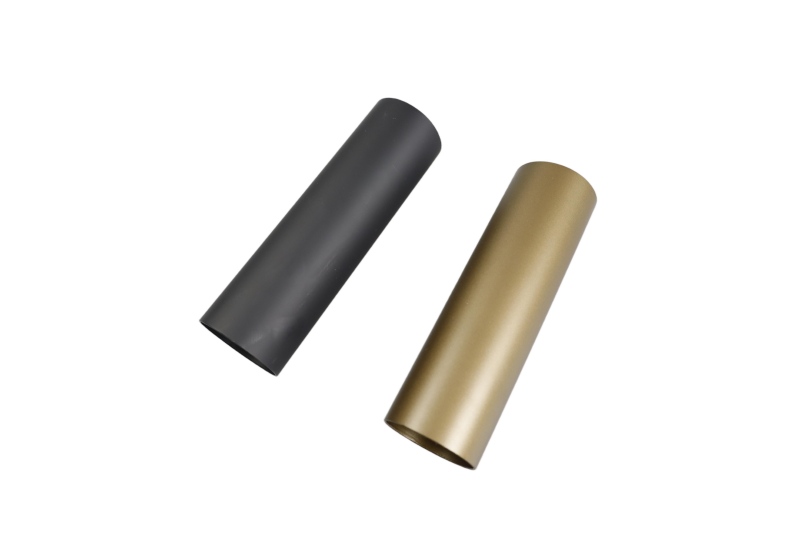
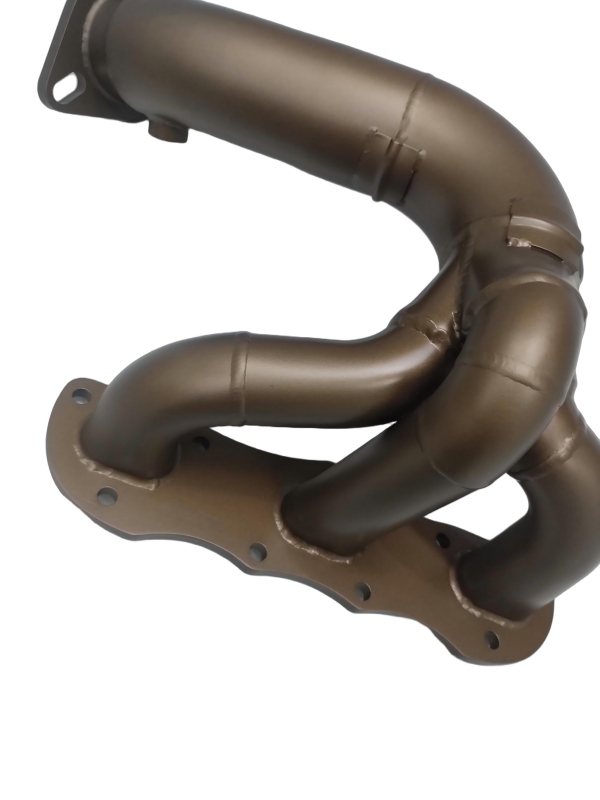
Ceramic coating is a thin, high-temperature-resistant layer applied directly to the surface of exhaust components such as headers, downpipes, and turbo housings. After application, the coating is cured at high temperatures, forming a dense and durable ceramic layer.
How It Works
Reflects and retains heat within the exhaust gases
Reduces heat radiation to the engine bay
Creates a thermal barrier between the exhaust and surrounding components
2. What Is Exhaust Wrap?
Exhaust wrap is a fabric-like insulation material, usually made from fiberglass, basalt (lava rock), or silica fibers, that is tightly wrapped around exhaust pipes.
How It Works
Physically traps heat inside the exhaust pipe
Reduces surface temperature by limiting convection and radiation
Acts as an external thermal blanket

3. Heat Insulation Performance
Ceramic Coating
Provides consistent and controlled heat retention
Reduces external surface temperatures by 15–30%
Maintains exhaust gas velocity, improving scavenging and turbo response
Heat insulation performance remains stable over time
Exhaust Wrap
Can significantly reduce surface temperature initially (sometimes more than ceramic coating)
Effectiveness depends heavily on wrapping technique and material quality
Performance may degrade as the wrap absorbs moisture, oil, or dirt
Verdict:
Exhaust wrap may offer stronger short-term insulation, but ceramic coating delivers more stable and predictable long-term thermal performance.
4. Durability and Longevity
Ceramic Coating
Resistant to corrosion, oxidation, and chemicals
Does not trap moisture
Can last many years under proper conditions
Ideal for both street and track use

Exhaust Wrap
Prone to moisture retention, which can accelerate pipe corrosion
Fibers can degrade under repeated heat cycles
Requires periodic inspection and replacement
Verdict:
Ceramic coating clearly outperforms exhaust wrap in durability and lifespan.
5. Impact on Exhaust Components
Ceramic Coating
Protects metal surfaces from extreme heat and oxidation
Helps prevent cracking and metal fatigue
Suitable for stainless steel, mild steel, and even titanium systems
Exhaust Wrap
Can cause localized hot spots
Increases the risk of metal embrittlement and cracking
Particularly risky for thin-wall or mild steel exhaust pipes
Verdict:
Ceramic coating is safer for long-term exhaust component health.
6. Installation and Maintenance
Ceramic Coating
Requires professional application and curing
Higher upfront cost
Minimal maintenance once applied
Exhaust Wrap
Easy to install at home
Low initial cost
Requires regular inspection and potential re-wrapping
Verdict:
Exhaust wrap is more accessible for DIY users, while ceramic coating is a “set it and forget it” solution.
7. Aesthetic and Practical Considerations
Ceramic Coating
Clean, professional appearance
Available in multiple colors and finishes
Maintains appearance over time
Exhaust Wrap
Race-inspired look
Can discolor, fray, or burn over time
May release fibers during installation and use
8. Conclusion: Which Is Better?
There is no one-size-fits-all answer, but the choice depends on priorities:
Choose ceramic coating if you value:
Long-term durability
Corrosion resistance
Professional appearance
Consistent thermal management
Choose exhaust wrap if you value:
Low initial cost
DIY installation
Short-term or track-focused applications
For most street cars, high-end performance builds, and OEM-level solutions, ceramic coating is the superior and more reliable heat insulation method. Exhaust wrap remains popular in motorsports and budget builds, but it comes with trade-offs that should not be ignored.