How Different Intake Pipe Materials Affect Engine Airflow and Performance?
How Different Intake Pipe Materials Affect Engine Airflow and Performance?
When tuning an engine, most enthusiasts focus on turbochargers, exhaust systems, or ECU maps—but the humble intake pipe plays a far more critical role than it seems. Its material composition can significantly affect airflow efficiency, intake air temperature, throttle response, and even the sound of your engine. Let’s dive into how aluminum, silicone, plastic, titanium, and carbon fiber intake systems each influence performance.
1. The Role of the Intake Pipe
The intake pipe connects your air filter to the throttle body (or turbo inlet). Its job is to ensure that the engine receives a consistent, cool, and smooth stream of air.
The key factors that determine intake efficiency include:
Air temperature (IAT) — Cooler air is denser, bringing in more oxygen.
Flow resistance — Smoother airflow equals better volumetric efficiency.
Thermal conductivity — Materials that resist heat keep the air cooler.
Weight and rigidity — Lighter materials improve response and reduce vibration.
2. Comparing Intake Pipe Materials
|
Material |
Thermal Conductivity |
Weight |
Durability |
Typical Characteristics |
|
Aluminum |
High (absorbs heat quickly) |
Light |
Excellent |
Great airflow, but heats up fast |
|
Silicone |
Low |
Medium |
Good (flexible, heat-resistant) |
Stable temperatures, slight expansion under pressure |
|
Plastic (ABS/PP/Nylon) |
Very low |
Very light |
Moderate |
Good insulation, low cost, smooth interior |
|
Titanium |
Moderate |
Very light |
Exceptional |
Excellent strength-to-weight, exotic tone |
|
Carbon Fiber |
Extremely low |
Ultra light |
Very good |
Excellent insulation, premium appearance |
3. How Each Material Affects Air Intake
Aluminum: Strong Flow, High Heat
Aluminum intake pipes are popular in performance and aftermarket setups due to their rigidity and smooth internal surfaces, which promote excellent airflow.
However, aluminum’s high thermal conductivity means it absorbs engine bay heat quickly—raising intake air temperatures and slightly reducing power.
Ideal for: Turbocharged engines with intercoolers, or applications emphasizing throttle response and sound.
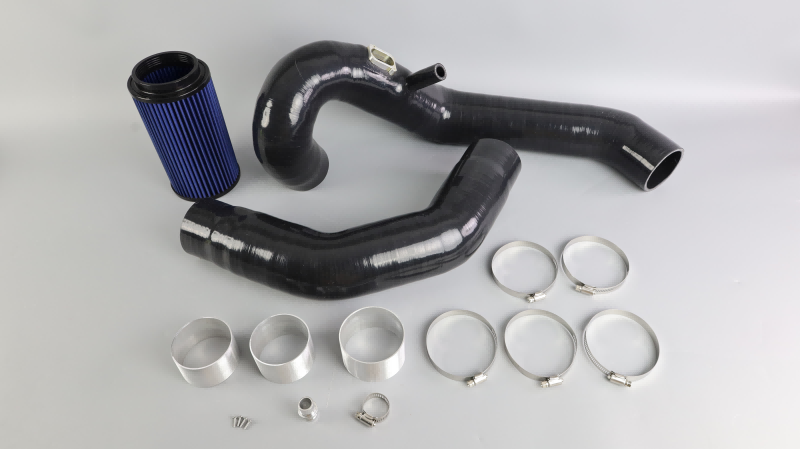
Silicone: Heat-Resistant and Flexible
Silicone intake pipes are known for their heat insulation and flexibility. They resist cracking, vibration, and heat soak better than rubber or aluminum.
Their only downside is that under high boost, silicone may slightly expand, delaying throttle response.
Ideal for: Turbocharged or supercharged engines needing durable, temperature-stable connections.
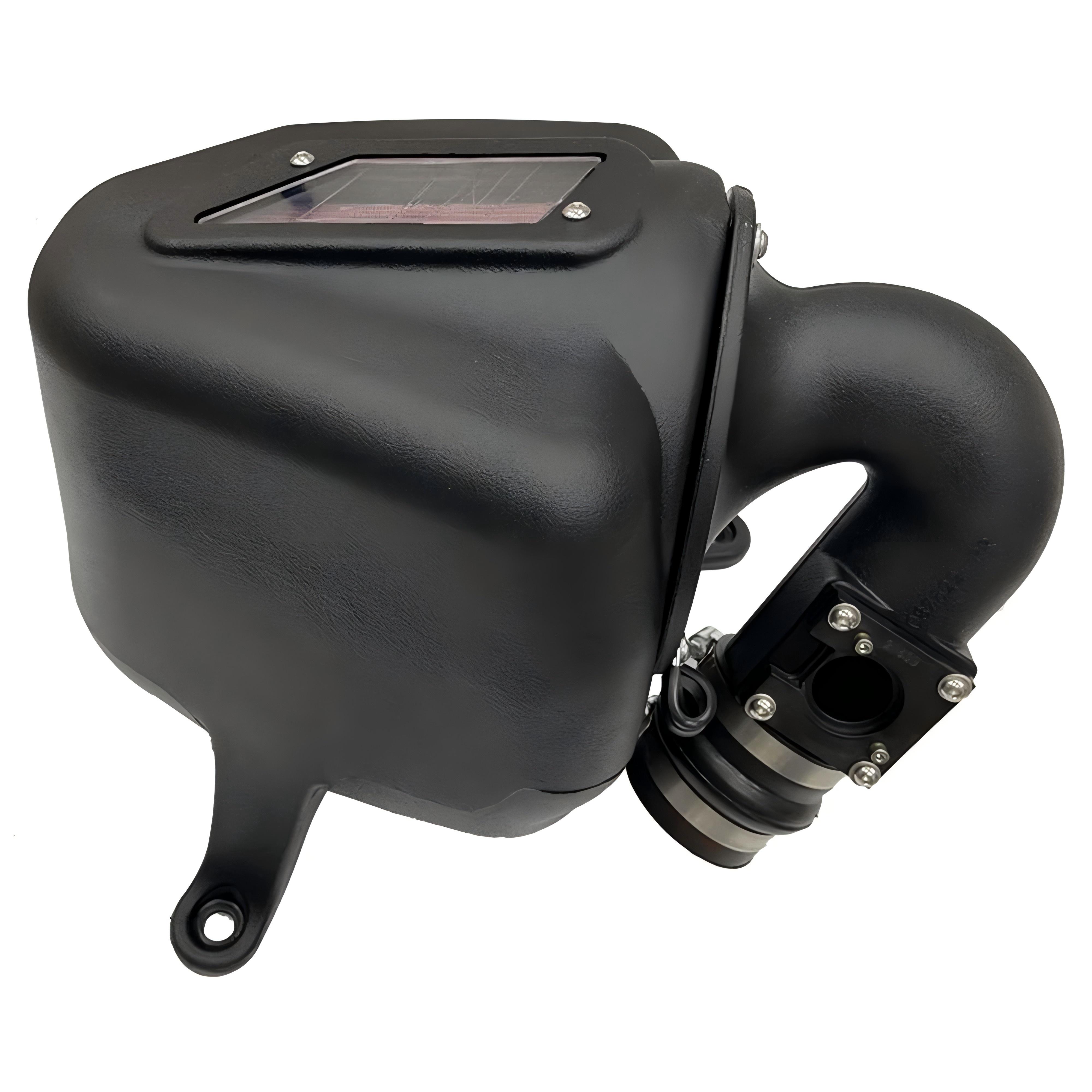
Plastic: Lightweight and Thermally Stable
Modern OEMs increasingly use engineered plastics (like ABS or nylon) for intake systems.
Plastic offers excellent thermal resistance, keeping intake air cooler even in hot engine bays. It’s also lightweight, cost-effective, and allows complex shapes for optimized airflow.
However, it’s less durable under extreme heat or boost compared to metal or carbon.
Ideal for: Daily drivers and modern stock applications focusing on smoothness and efficiency.
Titanium: The Exotic Performer
Titanium intake pipes are rare and expensive—but they combine the strength of steel, the lightness of aluminum, and better heat resistance than either.
They also produce a distinct metallic intake sound that enthusiasts love.
Ideal for: High-end builds and motorsport applications where performance, weight savings, and aesthetics matter equally.
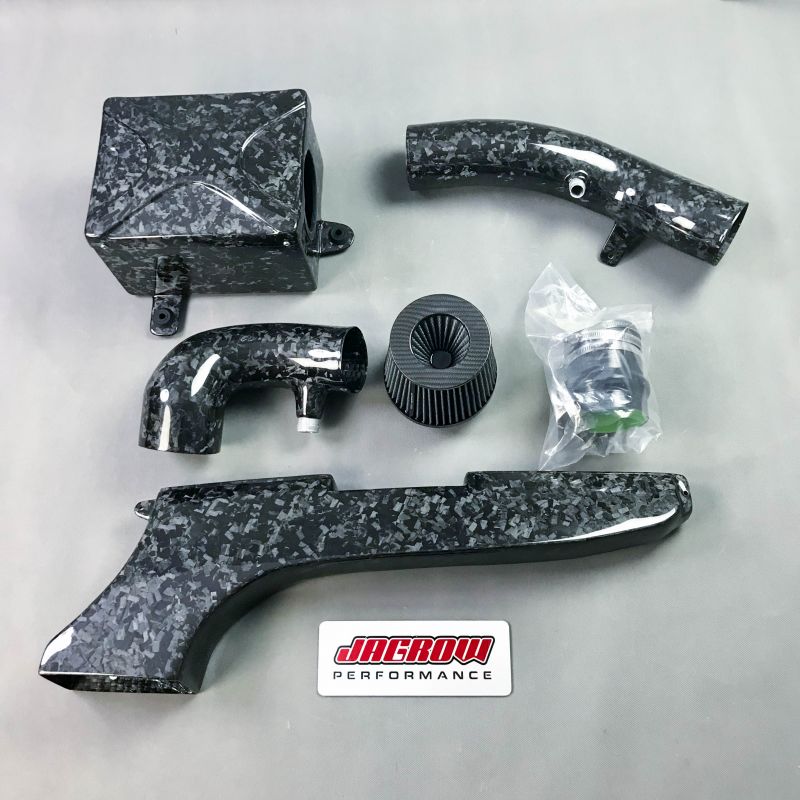
Carbon Fiber: The Ultimate in Performance and Style
Carbon fiber intake pipes are the pinnacle of design and function.
Their extremely low thermal conductivity keeps intake air temperatures as cool as possible, while their light weight improves throttle response.
They also look stunning under the hood, adding a premium touch. The only downside: cost.
Ideal for: High-performance cars and enthusiasts seeking maximum efficiency and style.
4. How Material Affects Driving Feel and Sound
|
Factor |
Aluminum |
Silicone |
Plastic |
Titanium |
Carbon Fiber |
|
Airflow Smoothness |
Excellent |
Good |
Very good |
Excellent |
Excellent |
|
Heat Resistance |
Poor |
Very good |
Excellent |
Good |
Excellent |
|
Throttle Response |
Sharp |
Slightly delayed |
Smooth |
Very sharp |
Very sharp |
|
Sound Character |
Loud, metallic |
Muted |
Quiet |
Crisp, metallic |
Refined, resonant |
|
Aesthetic Appeal |
Industrial |
Functional |
OEM |
Exotic |
Premium |
5. Finding the Right Balance
Choosing the best intake pipe material depends on your goals:
For everyday reliability: Plastic or silicone is best.
For performance tuning: Aluminum offers strong flow and a sportier tone.
For extreme builds or show cars: Carbon fiber or titanium provides the ultimate performance and visual appeal.
In short:
Aluminum = airflow and aggression.
Silicone = durability and heat control.
Plastic = practicality and efficiency.
Titanium = lightweight strength.
Carbon fiber = cool air, cool looks.
Final Thoughts
Your intake system is more than a pathway for air—it’s an integral part of your car’s breathing system.
By understanding how different materials behave under heat, pressure, and vibration, you can fine-tune your intake setup for the perfect blend of performance, sound, and style.