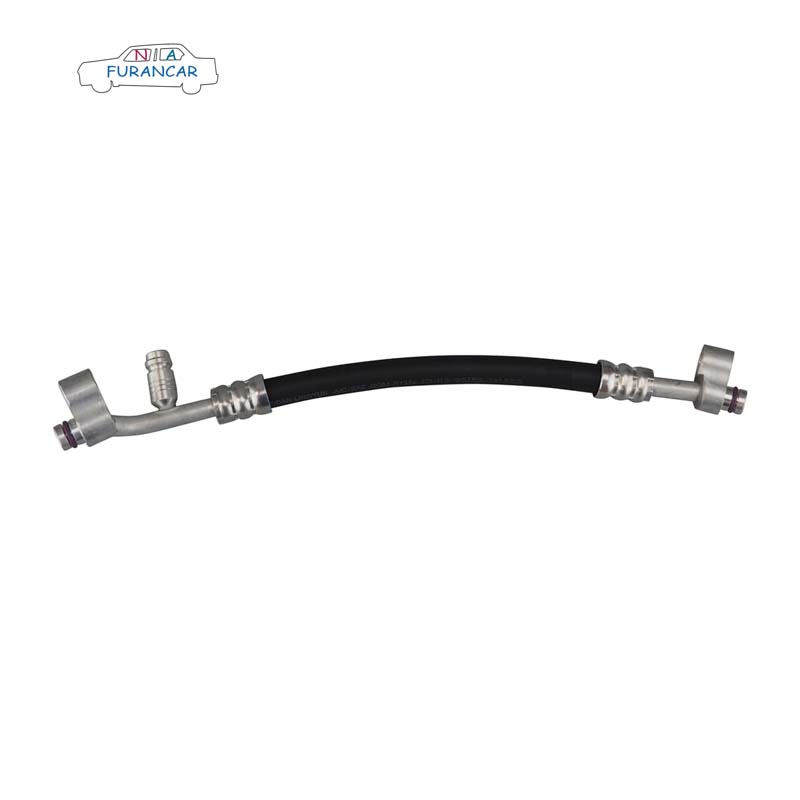
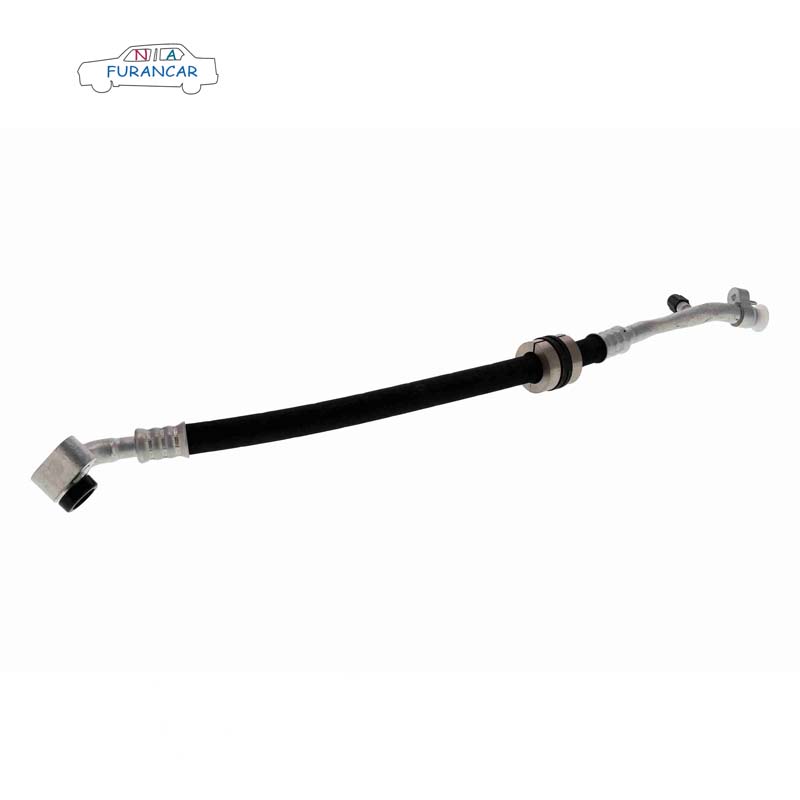
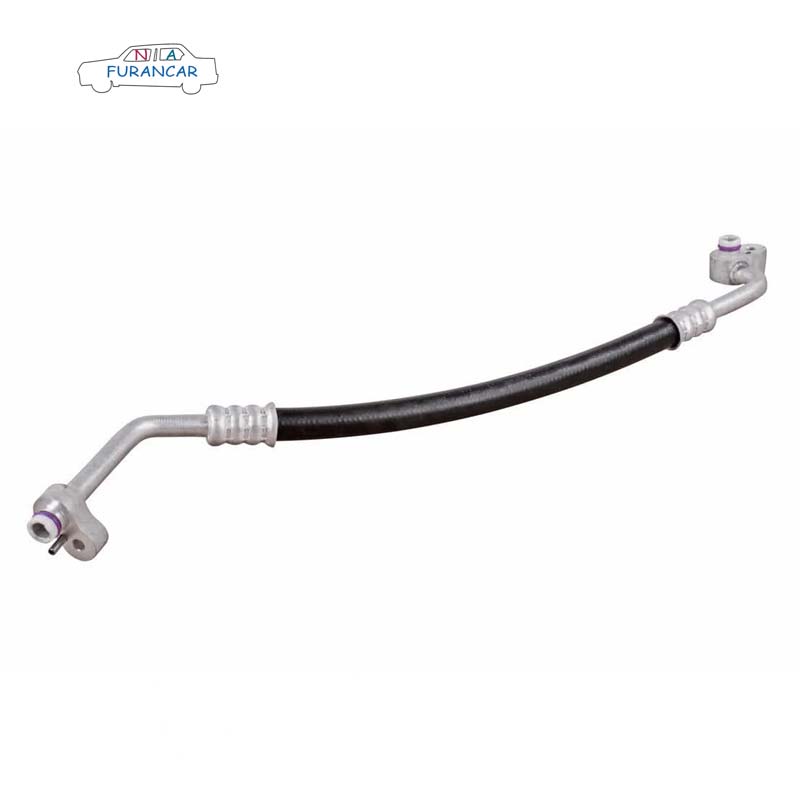
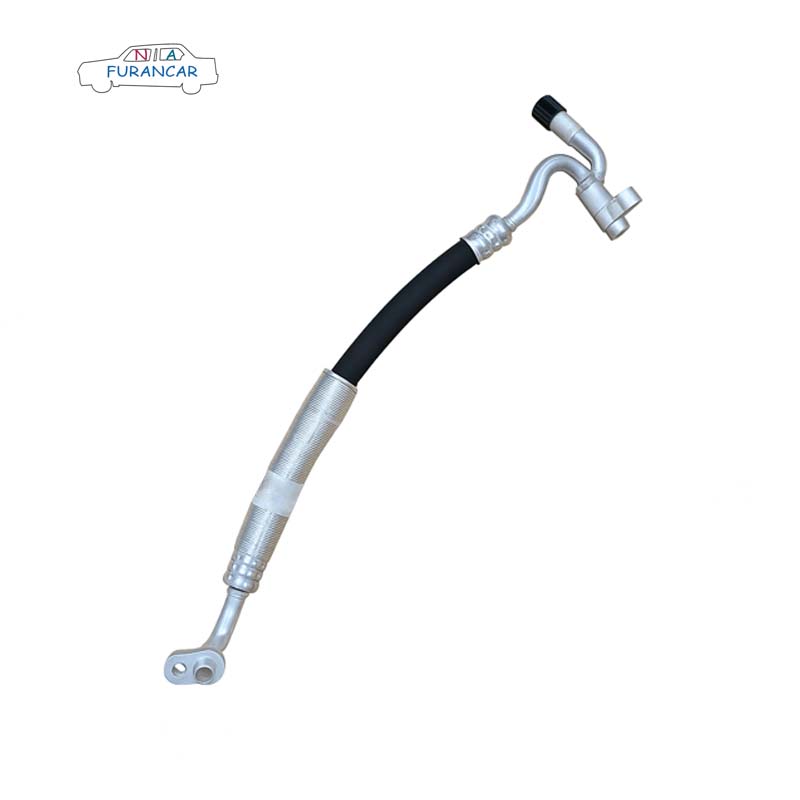
{ Durable Air Conditioning Hose }

  • Industry News | China’s automotive supply chain is shifting from supplying overseas markets to diversifying its presence

    The EU’s stringent carbon emission regulations are driving the acceleration of electrification, yet Europe faces a severe shortage of domestic production capacity for batteries, electric drive systems and smart components, coupled with slow technological advancement and a reliance on external supplies. In 2024, China’s exports of automotive components totalled US$93.43 billion, with Europe representing the core growth market.
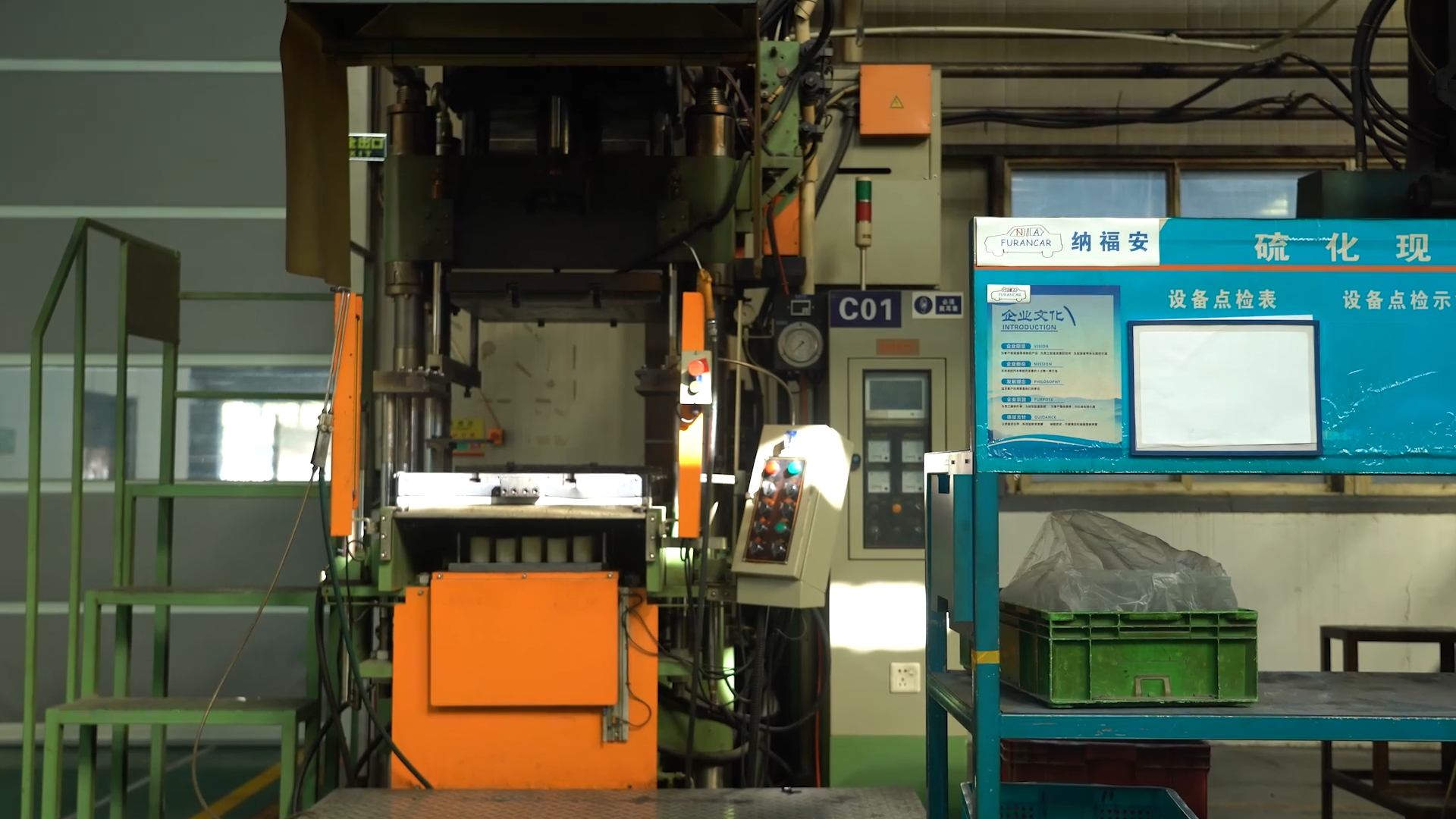

    Nafurancar


    I.Why accelerate now?

    From ‘export products’ to ‘local roots’—the EU’s high tariffs (up to 45.3%), local content requirements (70% local production for non-battery components in electric vehicles), and the New Battery Act (covering carbon footprint, traceability and recycling) have effectively brought an end to the old model of ‘Made in China → Exported to Europe’, with local manufacturing now becoming a prerequisite for market access.


    Maturity of China’s Supply Chain + Cost Advantage China possesses the world’s most comprehensive new energy vehicle supply chain, with manufacturing costs 20–30% lower than in Europe. Furthermore, it has established a technological lead in areas such as battery energy density, autonomous driving algorithms and sensors, which aligns with European carmakers’ core objectives of reducing costs and accelerating their transition.


    II. From Supporting Roles to Diverse Penetration


    • Traditional supply chain exports

    From the export of complete vehicles to the subsequent export of components, serving the European factories of Chinese car manufacturers (such as BYD and NIO). This model is characterised by passive supply, low value-added and a focus on trade. In the early stages, small and medium-sized component manufacturers exported items such as wheel rims, interior fittings and standard parts.


    • Establishing production capacity

    Establishing factories in Europe, recruiting locally and serving local car manufacturers, thereby entering the supply chains of major players such as BMW, Mercedes-Benz, Audi, Volkswagen and Stellantis, and transitioning from a ‘Chinese supplier’ to a ‘local European Tier 1 supplier’.


    Using Central and Eastern Europe (Hungary, Slovakia and Poland) as a bridgehead (due to low costs, favourable policies and proximity to Western Europe), whilst establishing R&D centres in Western Europe (Germany and Spain).


    • Technology transfer

    Technology licensing + joint ventures + solution provision: earn technology fees and long-term royalties without building factories, and secure a position at the high end of the value chain.


    • Ecological permeation


    With a fully integrated presence spanning R&D, testing, after-sales and local partnerships, we have evolved from a ‘parts supplier’ to a ‘technology partner’, forging close ties with European car manufacturers as they undergo transformation.


    BYD’s European headquarters in Hungary (comprising sales, after-sales, R&D and testing) collaborates on research with local universities.


    III. Key Challenges


    • Compliance barriers


    EU REACH, PFAS restrictions and the Battery Regulation: with extremely stringent requirements regarding chemical traceability, carbon footprints and recycling systems, compliance costs for small and medium-sized suppliers are soaring, and they risk being forced out of the market.

    Data compliance: Localised storage of autonomous/intelligent driving data and strict privacy protection; algorithms exported overseas must comply with EU regulations.


    • Cost and operational barriers


    The cost of setting up a factory in Europe is two to three times that in China; labour costs are high, and unit production costs rise by 15–20 per cent, which must be offset through automation and lean manufacturing.

    Strong trade unions and strict employment regulations: redundancies are difficult to implement, benefits are generous, and cross-cultural management presents significant challenges.


    Domestic giants (Bosch, Continental and ZF) continue to dominate the high-end chassis and traditional powertrain components markets, drawing on a century of technical expertise.


    Japanese and South Korean companies (Samsung SDI and LG Energy Solution) have a clear first-mover advantage, and competition in the battery sector is fierce.
  • Use and Maintenance of Automotive Air Conditioning Systems

    Summer is just around the corner. As we all know, a good car air-conditioning system can cool the car down quickly and ensure a comfortable drive, but we often don’t really know how to use the air-con properly or how to maintain and look after the system. We often find ourselves in this situation: when we switch on the car’s air conditioning in sweltering, blazing heat, we discover that the system is malfunctioning, which can be quite a worry. To address these issues, we’ll provide a detailed guide on the correct use of your car’s air conditioning system and the key points to bear in mind during its maintenance and upkeep.


    Turning on a car’s air conditioning system may seem like a straightforward task, but in reality, it is easy to overlook the correct methods and precautions. Whilst we do not need to fully understand how the entire system works or its complete structure, it is essential to know the correct way to use it and how to maintain it properly. Understanding these points not only improves the efficiency and durability of your car’s air conditioning but also ensures the system remains in good working order, as its condition directly affects our health.

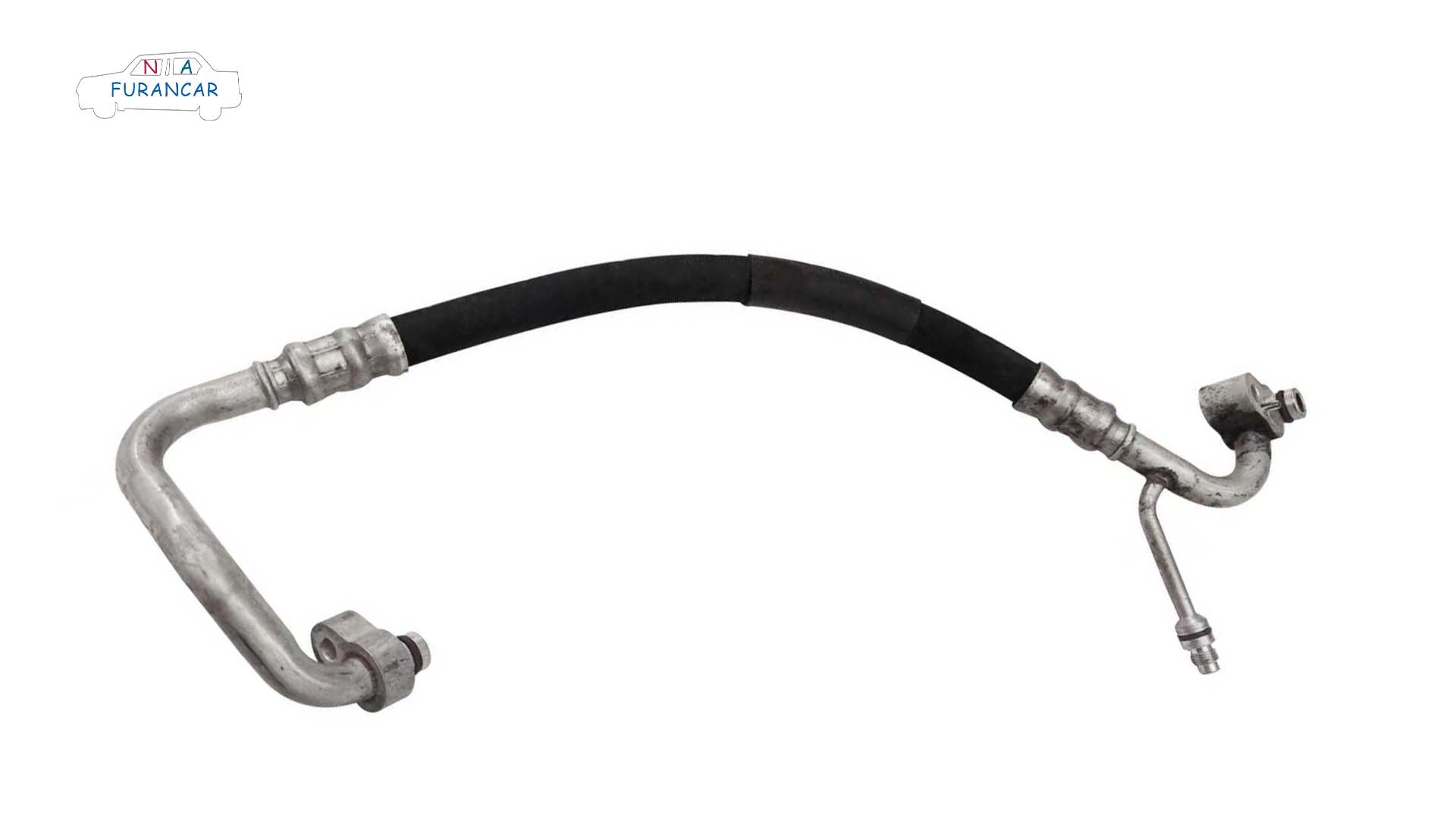
    AC Hose

    Turn on the car air conditioning regularly


    Firstly, the cool air blown out of the car’s vents passes through the blower fan, the evaporator in the air-conditioning system, the small reservoir in the heating system, and the air ducts. Over time, these systems accumulate significant amounts of dust and moisture; if not used or maintained properly, this can lead to mould growth and encourage the proliferation of bacteria, the harm to our health being self-evident.


    When using the car’s air conditioning system for the first time after a change of season, you should open the car doors, switch to the external air circulation mode and set the fan to high. You should then step out of the vehicle, leave the system running for at least two minutes, switch it off, and clean the seats and carpets inside the car. This is done to expel as much bacteria and dirt as possible from the air conditioning system, which has been left unused for a long period, thereby preventing any adverse effects on the quality of the air inside the vehicle and reducing potential harm to the driver and passengers.


    During other seasons when the air conditioning is not required for cooling, you should still switch it on at least once a month. Leave it running for just 30 seconds before switching it off. This ensures that the compressor and all the pipes remain well-lubricated, prevents leaks and the deterioration of hoses, and enhances the durability of the air conditioning system.


    In direct sunlight, let the air heat up first before switching to cooling


    When a car is left parked in direct sunlight, the temperature inside can reach 50°C or even higher. This makes getting into the car a real ordeal for the driver. Even with the air conditioning switched on, it is difficult to bring the temperature down quickly enough. At best, one might feel a slight coolness from the vents, whilst the seat and backrest remain unbearably hot.


    In fact, before getting into the car, open all the windows or doors to let the hot air out. Switch on the fan and the fresh air mode (without turning on the cooling function just yet) to speed up air circulation and quickly dispel the heat from inside the car. Only then should you get in, close the windows and doors, and switch on the cooling function. Doing this will naturally improve the cooling performance and efficiency of the air conditioning.


    Avoid leaving it switched on for long periods


    Some motorists, for the sake of convenience, leave the air conditioning running continuously during the summer. However, when a vehicle is cold-started, neither the lubrication provided by the engine oil nor the operating temperature of the cylinders is at an optimal level. Under these conditions, the load on the engine and the resulting wear are the most severe of all operating conditions. Furthermore, running the air conditioning compressor and blower fan simultaneously increases the load on both the engine and the electrical system, causing unnecessary wear to the engine whilst also resulting in suboptimal cooling performance. Therefore, the air conditioning system should be switched off when starting the vehicle.


    However, during the cooling process, car air conditioning systems accumulate a significant amount of moisture inside. If the engine is switched off immediately, this trapped moisture cannot be expelled quickly enough; over time, this leads to mould forming inside the air conditioning ducts, thereby fostering the growth of bacteria that are harmful to our health. If you notice a sour, musty odour whilst using the air conditioning, this is typically the result of prolonged improper use. To address this issue, three minutes before reaching your destination, switch off the cooling function and set the system to fresh air mode. This allows as much moisture as possible to be expelled from the system, thereby reducing the likelihood of mould growth inside the unit.

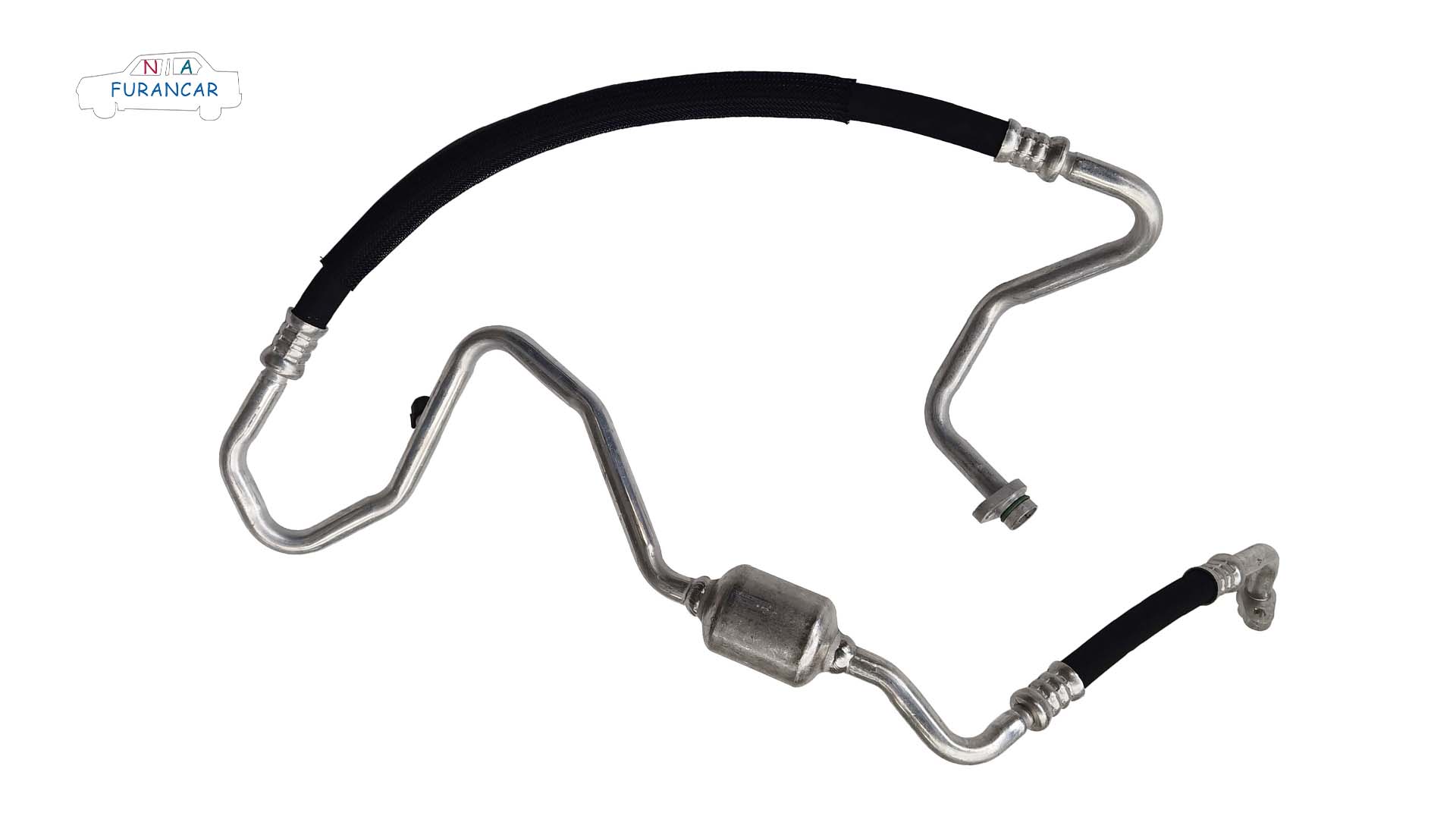
    AC Pipe

    The operating time should not be too long


    Many drivers set their air conditioning to the lowest temperature and leave it on for long periods to combat the sweltering heat of summer. However, this is actually very detrimental to one’s health. Due to the significant temperature difference between the inside and outside of the vehicle, excessively low temperatures inside the car can easily cause passengers who have just stepped in from a hot environment to develop heat-related colds or flu-like symptoms. Furthermore, prolonged exposure to a cold air-conditioned environment increases the risk of developing ‘air-conditioning sickness’. For air conditioning systems with automatic climate control, we recommend setting the temperature between 22°C and 26°C.


    Finally, it is crucial to note that many drivers often leave their cars parked in garages with the air conditioning running whilst they rest. This practice carries a high risk of carbon monoxide poisoning. In enclosed spaces, carbon monoxide from vehicle exhaust fumes accumulates and is drawn into the cabin through the air conditioning system’s air intake, causing carbon monoxide levels to rise. This can lead to poisoning and, in severe cases, even death. Therefore, when a vehicle is in a relatively enclosed environment, the air conditioning should be switched off and the engine turned off.


    When using the high-pressure air condition hose in recirculation mode for extended periods whilst parked outdoors, the lack of air circulation causes the air inside the vehicle to become stale. Driving for long periods in such an environment can lead to dizziness and a foggy head, which may affect the health of both the driver and passengers. It is therefore not advisable to use the recirculation mode with the windows closed for long periods. During long journeys, you should switch to fresh air mode frequently and stop to rest at appropriate intervals to alleviate fatigue. Furthermore, in older vehicle models with poor heat dissipation, leaving the air conditioning running for an extended period after parking may cause the coolant temperature to rise excessively, which in severe cases could result in engine damage.

  • What routine tests are carried out on automotive air conditioning hoses?

    Automotive air conditioning refrigerant hoses are the core flexible fluid-transfer components within the vehicle’s air conditioning refrigeration circuit. Specifically, they refer to specialised hose assemblies manufactured using a multi-layer composite structure, designed to transfer refrigerant and associated refrigeration oil in a sealed manner between key components of the vehicle’s air conditioning system—such as the compressor, condenser, expansion valve and evaporator—whilst being capable of withstanding the demands of vehicle operation.

    What are the main tests that are routinely carried out?


    Joint pull-off strength test

    Definition: A test to determine the connection strength between a hose and a coupling, and to assess whether the coupling will pull out of the hose under axial tensile force.

    Principle: Axial tensile force is applied to the hose assembly at a rate of 25 mm/min ± 2 mm/min; the load value at the point of separation is recorded to verify the mechanical reliability of the connection.


    Burst pressure test

    Definition: A destructive test in which pressure is applied at a constant rate within a specified time frame until the hose ruptures, in order to determine its maximum pressure rating.

    Principle: By applying pressure to a liquid, this test simulates the instantaneous high pressures that a hose may be subjected to under extreme operating conditions (such as system blockages or compressor malfunctions), thereby verifying the safety of the material strength and structural design.


    Dielectric strength test

    Definition: A test to assess the hose’s sealing performance and structural stability under long-term operating pressure, involving maintaining a pressure of 50% of the burst pressure for 2 minutes.

    Principle: By subjecting the hose to sustained pressure, the test detects any minor leaks or structural deformation, thereby verifying its long-term reliability under normal operating pressure.

    High-temperature resistance test

    Definition: A test to evaluate the thermal stability and sealing performance of materials at high temperatures by placing hoses in a constant-temperature environment of 80°C to 100°C (100°C for high-pressure hoses and 80°C for low-pressure hoses).

    Principle: This test simulates the effects of the high-temperature environment in the engine compartment (which can exceed 120°C) on hoses, to determine whether the rubber material softens, ages or undergoes dimensional changes, and whether the seals at the joints fail.


    Low-temperature resistance test

    Definition: A test to assess the material’s flexibility and resistance to embrittlement at low temperatures, in which the hose is placed in an environment of -40°C for 70 hours, followed by a bending test.

    Principle: Low temperatures cause rubber materials to harden and become brittle. By subjecting the hose to bending (with a bending radius of five times the outer diameter), the test checks for cracks or breaks, thereby verifying its suitability for use in cold regions (such as the Northeast or Siberia).


    Vacuum resistance test

    Definition: A test to evaluate the structural stability and sealing performance of a hose under vacuum conditions, conducted by evacuating the hose to a vacuum of 1.33 kPa (absolute pressure) and maintaining this condition for 24 hours.

    Principle: This test simulates the vacuum conditions that may occur on the evaporator side (low-pressure side) of an air-conditioning system to determine whether the hose collapses or leaks due to the difference in internal and external pressure.

    Ozone resistance test

    Definition: An accelerated ageing test in which a bent hose is placed in an environment of 40°C and an ozone partial pressure of 50 MPa for 70 hours, to assess the rubber material’s resistance to ozone ageing. Principle: Ozone reacts with the unsaturated bonds in the rubber, causing surface cracking; this accelerated test simulates the ozone attack that the hose might encounter in an outdoor environment.


    Pulse fatigue test

    Definition: A durability test in which a hose is subjected to cyclic pulsating pressure of (0.5–3.5) MPa (for high-pressure hoses) or (0.5–2.6) MPa (for low-pressure hoses) at a frequency of 30–40 cycles per minute, for a total of 150,000 cycles, in an environment of 125°C.

    Principle: This test simulates the pressure fluctuations caused by engine vibrations and road surface irregularities during vehicle operation, in order to assess the fatigue resistance of the hose material and the reliability of the joint seal.


    Refrigerant Permeability Test

    Definition: A test conducted at temperatures between 80°C and 100°C to measure the rate at which refrigerant permeates per unit area of hose per unit time, thereby assessing the material’s barrier performance.

    Principle: Using the mass loss method, this test determines whether refrigerant permeates through the molecular gaps in the rubber material, thereby verifying the effectiveness of the hose’s barrier layer (e.g. the PA nylon layer).


    Test for extractable substances

    Definition: A test to determine the concentration of substances that may leach from the inner surface material of a hose when exposed to refrigerant, and to assess the compatibility of the material with the refrigerant.

    Principle: By cleaning with iso-octane and immersing in refrigerant, any additives, residual solvents or other substances that may be present on the inner surface of the hose are extracted, thereby preventing these substances from entering the air-conditioning system and affecting compressor lubrication or causing blockages in the expansion valve.

    Test for the rate of volume change of the inner layer material

    Definition: A test in which the inner rubber layer of a hose is immersed in a refrigerant, held at 100°C for 70 hours, and the rate of volume change is measured to assess the material’s compatibility with the refrigerant.

    Principle: To determine whether the rubber material swells (increases in volume) or shrinks under prolonged exposure to the refrigerant, thereby verifying the suitability of the material formulation.


    Bending strength test

    Definition: A test conducted at ambient or low temperatures to measure the force required to bend a hose through 90°, thereby assessing the material’s flexibility and the soundness of the structural design. Principle: By subjecting the hose to bending, this test determines whether it bends easily during installation and use, whilst also verifying the material’s resistance to cracking under bending stress.


    Test for the rate of change in length

    Definition: The length variation test involves subjecting automotive air-conditioning refrigerant hoses to specific environmental conditions, measuring the difference in length before and after the test, calculating the percentage change in length, and assessing the dimensional stability of the hose material under simulated service conditions.

    Principle: Temperature fluctuations cause materials such as rubber and reinforcing layers to expand and contract; refrigerant and compressor oil may penetrate the rubber material, causing it to swell or shrink, which in turn leads to changes in the hose’s length.


    Internal surface cleanliness test

    Definition: An internal surface cleanliness test is a procedure in which soluble impurities and insoluble particles adhering to the inner surface of automotive air-conditioning refrigerant hoses are extracted using methods such as solvent extraction and filtration, followed by quantitative analysis of the impurities to assess whether the cleanliness of the hose’s inner surface meets the system’s operational requirements. Principle: The test simulates the contact between the inner surface of the hose and the refrigerant/refrigeration oil. A specific solvent is used to thoroughly clean the inner wall of the hose, transferring all impurities into the solvent. The total amount of impurities and the particle size distribution are then quantified through filtration, drying, weighing or particle counting to verify whether they fall within the limits permitted by the standard, thereby preventing impurity contamination of the system at source.