{ Auto Paint Booth }

  • How To Choose The Right Movable Paint Booth

    You can pick the right movable paint booth by thinking about what you need. Look at the size of the things you want to paint. Booths come in small sizes, like 2 feet wide, for tiny items. Some booths are much bigger and can fit things up to 20 feet wide. Ask yourself simple questions about space, how you work, and air movement. Make a list that has booth size, how easy it is to move, and how air flows. Choose booths that fit your needs for good painting and safe use.


    Key Takeaways

    • Think about what you need to paint. Look at the size and type of things you will paint. This helps you pick the right booth features.
    • Measure your work area. Add extra space for safety. This makes sure your booth fits well. It also lets you move around easily.
    • Pick a booth with good ventilation. This keeps the air safe. It also makes paint look better. Clean the ventilation system often.
    • Buying a movable paint booth can save money over time. You will not need outside help as much. You can work faster and better.
    • Always follow safety rules. Wear protective gear when using the booth. This keeps you and your team safe from bad chemicals.


    Painting Needs

    Choosing the right movable paint booth starts with understanding your painting needs. You must look at what you plan to paint, how much you want to produce, and the size of your items. This section helps you match your booth to your projects.


    Project Types

    You need to identify the types of projects you will handle. Different projects require different booth features. Here are some common uses for a movable paint booth:

    • Furniture: You can paint main pieces and smaller parts, like drawers, in one session.
    • Renovation: Kitchen cabinets often need painting of doors and drawers at the same time.
    • Art and Home Decor: Large projects, such as gallery wall frames, benefit from a booth that fits multiple items.

    You should also consider the painting process. Liquid applications work best in booths with dry filters and exhaust fans to capture overspray. Powder applications need extra filtration, ending with a powder collector. The airflow design matters, too. Cross flow booths keep the workspace clean. Downdraft booths control contamination and ventilation. Semi-downdraft booths offer a balance between cost and performance.

    Tip: Make a list of your project types and painting methods. This helps you choose a booth with the right airflow and filtration.

    Automotive Spray Paint Booth

    Production Volume

    You must decide how much you plan to paint. If you run a high-production shop, you need a booth that handles frequent use and quick turnover. Basic booths work well for smaller jobs or occasional painting. Ask yourself these questions:

    • How many items do you paint each week?
    • Do you need to paint several pieces at once?
    • Will you expand your business soon?

    A movable paint booth can support both small and large production volumes. You can adjust the booth size or add modular sections if your needs change. This flexibility helps you avoid buying a new booth every time your workload increases.


    Item Dimensions

    You must measure the items you plan to paint. The size and shape of your objects affect the booth you need. Here is a table showing standard sizes for movable paint booths:

    Size (Feet)

    Description

    33 x 20 x 13

    Large enough for cars and bigger items

    26 x 15 x 11

    Good for medium-sized projects

    23 x 13 x 8.5

    Ideal for small to medium-sized projects

    You should also think about the shape of your items. Modular booths adjust to fit different vehicle sizes and shapes. This feature helps auto body shop owners who work with cars of all sizes. If you service many types of vehicles, you need a booth that avoids space constraints. Picking a booth that fits your items ensures safety and efficiency.

    Note: Always measure your largest item before buying a booth. This prevents problems during painting.

    A movable paint booth gives you flexibility for many project types, production volumes, and item sizes. You can match the booth to your needs and adjust as your business grows.


    Workspace Compatibility

    Space Measurement

    You must measure your workspace before buying a movable paint booth. First, measure the biggest item you want to paint. Add extra space so you can move safely. Here are some tips:

    • Add 3 to 7 feet to the width of your item.
    • Add 2 to 5 feet to the height for safety.
    • Add 3 to 6 feet to the depth for space at the back.
    • Make sure you have room for pallets, crates, lifts, and fixtures.

    Check this table to see the smallest booth sizes for vehicles:

    Vehicle Size (Width x Length x Height)

    Minimum Booth Size (Width x Length x Height)

    8' x 45' x 13'

    16' x 53' x 16'

    (with scaffolding)

    18' x 60'

    Tip: Measure your workspace and compare it to booth sizes. This stops crowding and keeps your painting area safe.


    Access and Mobility

    Look for features that make your booth easy to use and move. Personnel doors let painters get in and out quickly. Windows on these doors help you see inside without opening the booth. Open face spray booths let you load and unload items fast. This makes work go faster and keeps your workflow smooth.

    Teams with flexible workspace designs often work better. You can move a booth to different spots when you need to. Modular booths let you relocate them, so you always have the best setup. This helps you use your space and resources well.


    Ventilation Needs

    Good ventilation keeps your workspace safe and helps paint look better. Mechanical ventilation must run while you spray paint. Enough airflow keeps dangerous substances low. Booths should send air toward exhaust outlets. Exhaust systems need regular maintenance to work well. The minimum airflow intake velocity should be 100 feet per minute. Fresh makeup air replaces exhausted air, and heating may be needed in cold weather. Independent exhaust stacks send air outside the booth.

    Good ventilation cuts down overspray and dust. You get smoother coatings and protect workers from harmful chemicals. High-efficiency filters and compliant exhaust systems help meet environmental standards and lower VOC emissions.

    Note: Always check ventilation standards before installing your booth. This keeps your team safe and improves your results.


    Movable Paint Booth Safety

    Regulatory Compliance

    You have to follow rules when using a movable paint booth. These rules keep you and your team safe from fire and fumes. Different places have their own standards. Here is a table with some main regulations:

    Region

    Regulation/Standard

    North America

    NFPA 33, NEC Articles 500–516

    European Union

    ATEX Directive, EN 16985

    International

    IECEx standards

    Check which rules are for your area. Most codes say booths must use materials that do not burn. Electrical parts need to be explosion-proof. Fire suppression systems are often needed. Flammable materials should go in approved containers. Clean the booth often to stop dangerous residue from building up. The EPA and local groups control how much vapor goes into the air.

    Tip: Ask your local fire department or safety office about rules before setting up your booth.


    Airflow Standards

    Airflow keeps your workspace safe. You must use mechanical ventilation while spraying and after. This clears out harmful vapors and keeps air fresh. The system must move enough air to catch overspray and keep vapor levels low. Here is a table with main airflow standards:

    Requirement

    Description

    Mechanical Ventilation

    Must run during and after spraying to clear vapors and keep safety.

    Minimum Airflow

    Needed to catch overspray and contaminants well.

    Dilution Control

    Keeps vapor levels below explosive limits, especially with solvent-based coatings.

    Regular Maintenance

    Makes sure the ventilation system stays safe and works well.

    Check your system often. Clean and maintain fans and filters. This helps your movable paint booth stay safe every day.


    Protective Equipment

    You need to wear the right gear in a movable paint booth. A full-body paint suit protects your skin from chemicals. Nitrile gloves keep your hands safe from strong paints. You need a full mask to protect your lungs. If you use a fresh air supply, a carbon monoxide meter helps you stay safe. These steps protect you from harmful fumes and dust.

    • Wear a full-body paint suit.
    • Use nitrile gloves.
    • Put on a full mask, with fresh air supply if possible.
    • Check air quality with a carbon monoxide meter.

    Note: Never skip safety gear, even for quick jobs. Your health and safety are most important.


    Cost and Customization

    Investment vs. Savings

    • When you look at the cost of a movable paint booth, you should think about both the price and the long-term savings. Buying your own booth can help you save money over time. Here are some ways you can benefit:
    • You do not need to pay for outside painting services, which lowers your costs.
    • You control the quality of your work because you handle everything in-house.
    • You can finish jobs faster, which keeps your customers happy and can increase your profits.
    • Modern booths help you work faster and reduce mistakes, so you spend less time fixing problems.
    • Heated air cycles speed up drying, letting you complete more jobs each week.
    • If you cut your job time by 20%, you can take on more work and earn more money.
    • Better airflow and faster job turnover mean you can handle more projects and boost your yearly income.
    • You can see that investing in a booth is not just about the upfront price. It is about making your business more efficient and profitable.

    Model

    Price

    Dimensions (LxWxH)

    Footprint (sq ft)

    Features Count

    MES 45x17x14

    $33,995.00

    45ft x 17ft x 14ft

    765

    16

    MES 23×15 HDLT

    $11,495.00

    23ft x 15ft x 9.6ft

    405

    12


    Maintenance

    Keeping your booth in good shape is important for safety and performance. You should follow these steps:

    1. Set up a regular maintenance schedule. Inspect and clean the booth based on how much you use it.

    2. Change the filters often. Clean filters keep the air moving and stop equipment from breaking.

    3. Use strippable coatings on the walls. These coatings make cleaning easier and help you get better paint results.

    4. Put a protective cover on the floor. This traps extra paint and keeps your workspace clean.

    5. Adjust the temperature settings for summer and winter. This helps you get even paint and drying results.

    Regular maintenance helps your booth last longer and work better. You avoid expensive repairs and keep your team safe.

    Regular upkeep makes sure your booth runs well, lasts longer, and keeps your work area safe.


    Custom Options

    You can choose custom features to fit your business needs. Many manufacturers offer options like:

    1. Custom booth sizes for unique spaces.

    2. Heated air makeup units for better drying.

    3. Special booths for large equipment or industrial use.

    4. Preparation booths for extra workspace.

    You can also pick extra features such as more lighting, different door types, or quick shipping. Some companies, like gzguangli, are known for their ability to design and build booths that match your exact needs. Custom engineering is important if you work in industries with special rules or space limits. While custom features may cost more at first, they help you work more efficiently and meet local safety standards.

    Customization Options

    Description

    Size Modifications

    Change the booth size to fit your space.

    Additional Features

    Add height, lighting, or special doors.

    Engineering Capabilities

    Get custom design and engineering for your needs.

    Quick Turnaround

    Receive your custom booth in just a few days.


    You can pick the right paint booth by using simple steps. First, measure your biggest item and add extra space. Make sure the booth fits your workspace and can move easily. Ask yourself clear questions and use checklists to know what you need. Match booth features like airflow, lighting, and size to your projects. Talk to experts or vendors for advice and custom help. Avoid mistakes by keeping up with maintenance and safety rules.

    Remember: Careful planning helps you get the best booth for your work.

    Feature

    Why It Matters

    Airflow

    Keeps surfaces clean and work safe

    Lighting

    Helps you see better and be accurate

    Booth Size

    Fits your items and workspace


    FAQ

    What is a movable paint booth?

    A movable paint booth is a portable space for painting. You can move it to different places. It helps you paint items safely. Many auto paint booth models are easy to move and set up fast.

    How do I choose the right size for my movable paint booth?

    First, measure your biggest item. Add extra space so you can move around safely. Paint booth manufacturers have size charts to help you. You can ask them for advice about your workspace and projects.

    Can I use a movable paint booth for auto painting?

    Yes, you can use a movable paint booth for auto painting. Many booths fit cars, trucks, and motorcycles. Look for strong ventilation and doors that are easy to use for best results.

    What safety features should I look for?

    You need fire-resistant materials and good ventilation. Explosion-proof electrical parts are important too. Paint booth manufacturers usually include these features. Always check your local safety rules before you buy.

    How do I maintain my movable paint booth?

    Clean the filters often. Check the booth for any damage. Use strippable coatings on the walls. Paint booth manufacturers say you should follow a maintenance schedule to keep your booth safe and working well.


  • Selecting Your Outdoor Automotive Paint Booth A Technical Guide

    The most important factor in choosing an outdoor automotive paint booth is airflow. Airflow keeps paint quality high, reduces energy costs, and improves safety. You should consider several elements before making a decision:

    Factor Description
    Airflow Maintains paint quality and safety.
    Environmental Safety Meets regulations to prevent hazards.
    Quality Finishes Supports ideal paint adherence and reduces downtime.

    Reflect on your project volume, job types, facility layout, booth type, size, cost, and compliance. Thinking about your specific needs and operational goals helps you select a booth that matches your workspace and improves outcomes.


    Key Takeaways

    • Airflow is crucial for maintaining paint quality and safety. Ensure your booth has proper airflow systems to enhance performance.
    • Evaluate your project volume and job types to select a booth that meets your current and future needs. Track your workload for better decision-making.
    • Choose the right booth size by measuring the largest vehicle or part you plan to paint. Allow extra space for safe and effective work.
    • Consider the layout of your workspace. A linear flow design improves efficiency and reduces bottlenecks in your painting process.
    • Understand the costs involved, including initial investment and ongoing maintenance. Budget for filter replacements and energy consumption to avoid surprises.


    Assess Your Needs

    Project Volume & Job Types

    You should start by evaluating the number and types of painting projects you handle each week. The size and frequency of vehicles or parts you paint will influence your choice of an automotive paint booth. For example, a standard collision repair shop can finish three to five vehicles in an eight-hour shift with one semi-downdraft booth. If you use a downdraft booth, you can complete four to six vehicles a day. This higher output supports better quality and gives your business room to grow.

    Tip: Track your average daily workload for a month. This helps you choose a booth that matches your current needs and future goals.

    Think about the types of jobs you perform. Do you mostly paint full vehicles, or do you focus on parts and panels? Larger vehicles or specialty jobs may require a bigger booth or different configuration. Proper airflow sizing is also crucial. It affects fire safety, finish quality, and visibility for painters. You calculate airflow needs by multiplying the booth’s face or floor area by the desired air velocity.


    Facility Layout & Airflow

    Your workspace layout plays a big role in the performance of your automotive paint booth. Outdoor paint booths work well for shops with limited indoor space. They help you make the most of your available area and can improve overall efficiency. A well-structured layout creates clear work zones and supports a smooth workflow.

    • Make sure your booth fits the largest vehicles you plan to paint.
    • Design your space for linear vehicle flow. This setup maximizes productivity and reduces bottlenecks.
    • Separate prep, painting, and drying areas for better organization.

    Airflow is another key factor. You need to balance air pressure to keep the environment clean. Managing airflow direction helps remove overspray and keeps paint jobs smooth. Use an air makeup unit to control positive and negative pressure. Clean filters are essential for proper airflow and safety.

    Note: Optimizing airflow not only improves paint quality but also protects your team and equipment.

    By carefully assessing your project volume, job types, and facility layout, you set the foundation for choosing the right automotive paint booth for your business.


    automotive paint booth


    Automotive Paint Booth Features

    Booth Types & Configurations

    You can choose from several automotive paint booth designs, each offering unique benefits. Side-enclosure booths work well for shops with limited space. They allow you to load vehicles from the side, which can improve workflow in tight areas. Rear-enclosure booths provide a traditional setup, with entry and exit at opposite ends. This design supports a linear process and helps you manage traffic flow. Drive-thru booths let you move vehicles straight through the booth, which increases efficiency for high-volume operations. Select a configuration that matches your shop’s layout and the types of jobs you handle most often.


    Airflow Systems (Down-Draft, Others)

    Airflow plays a critical role in the performance of your automotive paint booth. Downdraft systems offer the best control over contamination and overspray. Pressurized downdraft airflow keeps outside dust and dirt from entering the booth, even when you open a door. Air moves down from the ceiling and exits through the floor, which filters out particles and creates a cleaner environment. You benefit from better visibility, improved worker safety, and faster drying times. Other options, such as crossflow or side-draft systems, move air horizontally or from the sides. These systems cost less but may not control contaminants as effectively as downdraft booths.

    Tip: Downdraft airflow helps you achieve a smoother finish and reduces health risks for your team.


    Essential Outdoor Features

    Outdoor booths must withstand harsh weather and maintain safe working conditions. Look for an automotive paint booth with reinforced joints, strong support beams, and durable hinges and latches. Insulation helps keep temperatures steady, which prevents condensation and protects your paint materials. Proper ventilation is essential. It controls air quality, temperature, and humidity, and it removes hazardous fumes. Continuous airflow prevents overspray buildup and reduces fire hazards. Always check that your booth meets safety standards for ventilation and filtration.

    • Outdoor booths should resist rain, wind, sleet, and snow.
    • Insulated walls and ceilings protect against cold weather.
    • Secure storage for paint and equipment keeps materials safe.

    By focusing on these features, you ensure your automotive paint booth delivers reliable performance in any environment.


    Booth Size & Space

    Sizing for Vehicles & Parts

    Choosing the right size for your automotive paint booth starts with measuring the largest vehicle or part you plan to paint. Always measure from bumper to bumper, including any mirrors, racks, or other protruding parts. Add at least three feet of space on each side. This extra room allows you to move freely and work safely, which leads to better results.

    Tip: Enough space around the vehicle helps you avoid accidental contact and ensures a high-quality finish.

    Here is a quick reference for recommended booth sizes based on vehicle type:

    Vehicle Type Recommended Booth Size (L x W x H)
    Motorcycle 8' H x 10' D x 12'8" W
    Standard Vehicles 14' x 24' x 10' H
    Home Mechanics 15' x 8' x 10' H
    Larger Vehicles (e.g., Semi) Up to 45' in length

    You should always ensure the booth fits comfortably in your workspace and provides enough clearance for both vehicles and workers.


    Space Planning & Workflow

    Integrating your automotive paint booth into your existing workspace improves efficiency and safety. A linear flow layout works best. Vehicles should enter from one end and exit from the other. This setup reduces backtracking and keeps your shop organized.

    Consider these key factors for optimal workflow:

    • Place mixing rooms, storage, and cooling zones near the booth for easy access.
    • Arrange intake and exhaust fans to maintain consistent airflow and prevent contamination.
    • Plan the movement of materials and vehicles to avoid bottlenecks and support ergonomic handling.
    • Customize the layout to match your shop’s unique needs.

    Note: Strategic booth placement and proper airflow help you achieve flawless paint finishes and maintain a safe environment.

    By carefully planning booth size and workspace integration, you set up your shop for higher productivity and better paint results.


    Cost & Compliance

    Investment & Operating Costs

    You need to understand both the initial investment and ongoing expenses when selecting an automotive paint booth for outdoor use. Entry-level commercial booths for semi-trucks start at $40,000 to $60,000. Custom heavy-duty setups, including installation and compliance features, can reach $150,000 to over $250,000. Smaller spray painting booths range from $5,400 to $23,000. These prices depend on booth size, features, and customization.

    Ongoing costs add up quickly. You must budget for filter replacements, airflow calibration, hazardous waste disposal, and energy consumption. Skilled labor is required for maintenance, which can be hard to find. Customization options, such as modular designs, airflow system enhancements, filtration upgrades, and lighting improvements, also increase costs.

    Cost Aspect Description
    Filter Replacements Maintain booth efficiency with frequent changes
    Airflow Calibration Ensure optimal performance with precise adjustments
    Hazardous Waste Disposal Proper disposal adds to operational expenses
    Energy Consumption Ventilation, heating, and lighting use significant energy
    Skilled Labor Maintenance requires trained technicians
    Customization Options Upgrades and modular designs enhance performance but raise costs

    Tip: Regular maintenance prevents costly breakdowns and keeps your booth running safely.


    Safety & Regulatory Standards

    You must comply with strict safety and regulatory standards to operate an outdoor automotive paint booth. Paint booths are hazardous locations, so lighting systems must meet safety codes. Regulatory frameworks include NFPA 33 and NEC Articles 500–516 in North America, ATEX Directive in the EU, and IECEx standards internationally. Fixture lenses must use heat-treated or tempered glass, and enclosures must be tightly sealed to prevent flammable vapors from entering electrical housings.

    All equipment inside the booth must be grounded to prevent static discharge. Open flames and ignition sources must stay far from the booth, with clear signage and designated no-smoking areas. Flammable materials like paints and solvents must be stored in approved safety cabinets. Fire codes limit the amount of flammable liquids stored onsite, and larger quantities require special storage rooms.

    You need several permits before installation:

    Type of Permit Purpose
    Building Permits Ensure construction meets safety and zoning codes
    Fire Department Permits Confirm ventilation and fire suppression systems
    Environmental Permits Control emissions from spray painting operations
    Occupational Safety Permits Ensure worker protection and hazardous material handling

    Pre-installation inspections, installation checks, and final approvals are mandatory. Regular maintenance and inspections of ventilation, fire suppression, and electrical systems are required. Employees must receive fire safety training, including handling flammable materials and using fire extinguishers.

    Note: Meeting local codes and safety standards protects your business and ensures smooth operation.


    Outdoor vs. Indoor Booths

    Pros & Cons

    Choosing between an outdoor and indoor automotive spray booth depends on your shop’s needs and priorities. You should understand how each option affects performance, maintenance, and workflow. The table below highlights key differences:

    Feature Outdoor Paint Booths Indoor Paint Booths
    Mobility More mobile and flexible; can be temporary or semi-permanent Generally permanent fixtures; harder to relocate
    Environmental Risks Higher risk of chemical and overspray escape; requires adherence to regulations Better environmental control with built-in filtration systems; more eco-friendly
    Ventilation Relies on natural ventilation; safety risks if not managed Controlled environment with consistent conditions
    Quality of Finish Can be compromised by weather conditions Higher-quality finishes due to controlled environment
    Upfront Costs Lower upfront costs Higher upfront costs
    Maintenance Costs May require more frequent maintenance Lower maintenance costs over time due to controlled environment
    Space and Location Larger, ideal for big objects; not limited by building size Limited by building size; customizable for smaller projects
    Control Over Environment Less control; affected by weather and contaminants Better control; consistent conditions for higher-quality finishes
    Cost and Installation Generally cheaper to install; may need extra equipment for protection More expensive upfront; better long-term cost efficiency due to reduced rework
    Ventilation and Safety Relies on natural ventilation; potential safety risks with chemical exposure Advanced ventilation systems; safer working environment compliant with regulations
    Mobility and Flexibility More mobile; can be temporary or semi-permanent Generally permanent; harder to relocate but sturdier for long-term use
    Environmental Impact Higher environmental risks; potential for chemical overspray Designed with environmental controls; more compliant with regulations

    Note: Proper airflow is crucial for both types of booths. Maintaining optimal airflow ensures your auto paint booth creates perfect finishes and operates safely.


    When to Choose Outdoor

    You should consider an outdoor automotive spray booth when your shop faces specific challenges or needs:

    • You need to paint large-scale items like trucks or aircraft.
    • Your workspace is limited indoors and expansion is necessary.
    • You want a flexible, mobile solution that adapts to changing operations.
    • You seek a cost-effective option for starting or expanding your business.
    • You require a booth that allows for temporary or semi-permanent installation.

    Outdoor booths offer advantages for shops that need more space or flexibility. They help you expand operations without the constraints of indoor space. If you work with a spray booth manufacturer, you can customize your booth to fit unique requirements and local regulations.

    Tip: Outdoor units are recommended when your shop is short on space or needs to handle larger projects.

    By weighing these factors, you can decide whether an outdoor or indoor automotive spray booth best fits your workflow, budget, and operational goals.


    You can choose the right outdoor automotive spray booth by following a few key steps. Start by reviewing booth configurations:

    Configuration Type Description
    Side-Enclosure Side-mounted controls and systems.
    Rear-Enclosure Weather-tight rear installation.
    Drive-Thru Limits contaminant exposure.

    Create a checklist for your auto paint booth selection. Include size, ventilation, heating, filtration, and safety standards. Consult a spray booth manufacturer or local authorities to confirm compliance. This approach helps you avoid costly mistakes and ensures your booth meets all requirements.


    FAQ

    What is the difference between an automotive spray booth and an auto paint booth?

    You can use both terms for the same equipment. An automotive spray booth or auto paint booth provides a controlled space for painting vehicles. Both help you achieve a high-quality finish and meet safety standards.

    How often should you maintain your automotive spray booth?

    You should inspect filters, fans, and ventilation systems weekly. Replace filters as needed. Schedule a full maintenance check every six months. Regular care keeps your spray booth safe and efficient.

    Do you need permits to install an outdoor auto paint booth?

    Yes, you need permits for installation. Check with your local authorities. You may need building, fire, and environmental permits. A spray booth manufacturer can help you understand the requirements.

    Can you use an outdoor automotive spray booth in any weather?

    You can use an outdoor booth in most weather if it has proper insulation and weatherproofing. Severe storms or extreme temperatures may affect performance. Always follow the spray booth manufacturer’s guidelines.

    How do you choose the right spray booth manufacturer?

    Look for a spray booth manufacturer with experience, strong customer support, and positive reviews. Ask about customization, compliance, and after-sales service. A reliable partner helps you get the best auto paint booth for your needs.


  • Smart Steps to Find the Ideal Vehicle Spray Booth for Your Business

    Imagine you are in your shop. You think about how a better choice can help your team work faster and safer. You want something that works for you now and will still work as your business gets bigger. Picking the right vehicle spray booth gives you good airflow and filtration. This keeps workers safe from fumes and helps the paint look perfect. Automated controls and energy-saving systems follow the rules. They also help your shop grow by making work faster and saving money.


    Key Takeaways

    • Follow local and state rules to keep everyone safe and follow the law when you put in a spray booth.
    • Pick a booth size that fits your biggest vehicle and gives you room to grow later.
    • Use bright lights and good airflow to make paint jobs better and keep workers safe.
    • Think about using automation and energy-saving features to save time and money.
    • Plan your budget well, including setup and extra costs, so you do not get surprised.


    Compliance and Safety

    Vehicle Spray Booth

    Local and State Regulations

    You have to follow rules from your city and state before you put in a vehicle spray booth. These rules keep your workers and business safe. Many groups make sure spray booths are safe. The table below lists the main groups and what they do:

    Regulatory Body

    Description

    NFPA

    Makes fire safety rules, like NFPA-33 for spray booths.

    OSHA

    Watches over workplace safety, air, and dangerous materials.

    IFC

    Handles fire dangers and is used by many states for spray booth rules.

    EPA

    Checks emissions and VOCs from spray booths.

    You need to get different permits before you start:

    • Building permits show your booth follows local safety and zoning rules.
    • Fire department permits let them check for flammable things.
    • Environmental permits help control air and emissions.
    • Occupational safety permits make sure you follow OSHA rules.

    Tip: Always ask your city and state offices for the newest rules. Rules can change, and missing a permit can slow down your project.


    Certification and Standards

    You should pick a vehicle spray booth that meets tough safety and certification standards. These standards keep your shop safe and help you avoid big mistakes. Here are some important certifications and rules:

    1. Your booth design must follow NFPA 33.

    2. Gas train parts need CSA labels.

    3. Control panels must have a cUL listing.

    4. Lighting should be ETLc listed.

    5. Air Make-Up Units (AMUs) need a remote reset.

    6. Recirculating cure systems must have explosion relief per NFPA 86.

    7. Motors should have CSA or cUL ratings.

    8. AMUs with a cure cycle need ANSI Z83.25/CSA 3.19 listing.

    9. Paint booth exhausts must have an air proving switch.

    If you skip these steps, you might:

    • Pay a lot to fix problems and lose time waiting for approval.
    • Get into legal trouble if something bad happens.
    • Make fire and explosion risks higher.

    Note: Following NFPA 33 is not just for passing checks. It keeps your team and business safe from big dangers.


    Fire Safety and Construction

    Fire safety is very important when you build a vehicle spray booth. You need to use noncombustible or limited-combustible materials. These materials help stop fires and keep dangerous stuff inside. For example, steel studs and sheet metal should be at least 1.2mm thick. Floors should be made of or covered with grounded concrete.

    Your booth needs:

    • Automatic fire suppression systems that you check often.
    • Good ventilation to stop flammable vapors from building up.
    • Explosion-proof and grounded electrical parts.
    • Approved safety cabinets for flammable materials.

    You should do regular checks. Look at filters and exhaust airflow. Make sure the fire suppression system works. Keep the booth clean to stop overspray.

    Safety Reminder: Teach your workers about fire safety and what to do in emergencies. Clean or change filters often to stop fire dangers.

    A strong vehicle spray booth keeps your team and your money safe. When you follow these steps, you make your workspace safer and more dependable.


    Vehicle Spray Booth Size and Layout

    Car Body Repair Vehicle Spray Booth

    Assessing Vehicle Size Needs

    You need to choose a vehicle spray booth that fits the types of vehicles you work on. Start by thinking about the biggest vehicle or item you plan to paint. Measure its length, width, and height. Add extra space so your team can move around and use equipment safely. This helps you avoid bumping into walls or damaging fresh paint.

    Here are smart steps to find the right size:

    1. Decide what kind of work you do most. Do you paint cars, trucks, or industrial equipment?

    2. Measure the largest vehicle or part you will paint. Make sure the booth is bigger than this.

    3. Check local safety rules. Some places have minimum size requirements for booths.

    4. Think about the future. You might need to paint bigger vehicles or more items as your business grows.

    5. Look at your shop’s space. Make sure the booth fits without blocking walkways or exits.

    The size of your vehicle spray booth depends on the variety of vehicles you handle. If you work with trucks or large equipment, you need a bigger booth than if you only paint small cars. Planning for growth helps you avoid costly upgrades later.


    Shop Layout and Accessibility

    The way you set up your shop affects how well your team works. Place your vehicle spray booth where workers can reach it easily. Keep tools and materials close by. This saves time and helps your team stay organized.

    • Remove parts from vehicles before painting. This frees up space and lets you paint more items at once.
    • Use only the amount of paint you need. Set up spray guns properly to reduce waste.
    • Make a booth schedule. Plan painting cycles and use a filler section for small parts. This keeps jobs moving and boosts productivity.

    A well-organized workspace helps your team find tools and materials quickly. Mixing rooms, spray gun holders, and hose management systems keep things neat. Workers feel more comfortable and work faster in a clean shop.

    Evidence

    Explanation

    Organized workspace

    Workers spend less time searching for tools and materials.

    Integrated systems

    Mixing rooms and hose holders make the shop cleaner and more efficient.

    A comfortable shop makes your team happier. When workers feel good, they finish jobs faster and make fewer mistakes.


    Enclosed vs. Open-Faced Booths

    You can choose between enclosed and open-faced vehicle spray booths. Each type has benefits and drawbacks.

    • Open-faced booths take up less space and cost less. They work well for small shops and quick jobs like color matching. These booths do not control dust or fumes as well. They cannot heat the air, so paint may not dry as quickly.
    • Enclosed booths are bigger and cost more. They keep out dust and control temperature. You get better paint finishes and fewer defects. These booths offer different airflow designs and heating systems. They help you follow safety rules and protect your team.

    In one auto body shop, switching to an enclosed booth lowered defect rates by 25%. The controlled environment made paint jobs smoother and safer.

    Booth Type

    Impact on Paint Quality

    Impact on Shop Safety

    Enclosed Booths

    High-quality finishes, fewer imperfections

    Less exposure to chemicals and contaminants

    Open-faced Booths

    More dust, uneven finishes possible

    Less protection from environmental hazards

    Enclosed booths meet OSHA and NFPA safety standards. Open-faced booths may not, which can put workers at risk. You need to think about your shop’s needs, budget, and safety when choosing a booth type.

    Tip: If you want the best paint quality and safety, pick an enclosed booth. If you need to save space and money, an open-faced booth may work for smaller jobs.

    Choosing the right vehicle spray booth size and layout helps your team work better and keeps your shop safe. Plan carefully to make sure your booth fits your needs now and in the future.


    Lighting and Visibility

    Quality Lighting for Paint Accuracy

    You need good lighting in your spray booth. It helps you see details and match colors. Bad lighting can make you miss spots or pick the wrong color. The best lights act like daylight, so colors look real.

    • Color Temperature: Use lights between 5000K and 6500K. This range is like daylight and keeps colors true.
    • Color Rendering Index (CRI): Pick lights with a CRI of 90 or more. High CRI shows colors the way they really are.
    • Illuminance Levels: Try for at least 500 lux. Some shops use 1,000 lux or more for clear vision.

    Bright, full-spectrum lights help you find mistakes and match paint. You make fewer errors and save time. Even lighting stops shadows from hiding spots. When you see every part, you work faster and safer.

    Tip: White, full-spectrum lights give the best color match. Put lights so every corner is bright.


    Lighting Placement and Adjustability

    Where you put lights is important too. Overhead lights should cover the whole area and cut down shadows. Task lights help with small jobs and can move or change direction. If booth surfaces reflect light, you see better.

    • Overhead lights cover the whole vehicle and help you see.
    • Task lights shine on small spots for touch-ups.
    • Adjustable lights let you point light where you need it.

    LED lights work great in spray booths. They are bright, steady, and use less power. LED lights also last longer, so you do not need to fix them often. Good lighting helps you avoid mistakes and keeps your team working well.

    Lighting Feature

    Benefit

    Explosion-proof fixtures

    Meet safety standards

    High CRI (>85)

    Show true colors

    Adjustable task lights

    Improve detail work

    LED technology

    Lower energy use and maintenance

    Safety Reminder: Always use explosion-proof fixtures for safety. These meet OSHA rules.

    When you set up lights the right way, your spray booth is safer and easier to use. You see details, match colors better, and keep everyone safe.


    Airflow and Temperature

    Airflow System Types

    You need to choose the right airflow system for your spray booth. Each type works best for different shop sizes and needs.

    • Crossdraft Airflow brings air from one end and pushes it out the other. This system fits small shops and uses simple ducts.
    • Downdraft Airflow sends air from the ceiling down to the floor. It removes paint particles and fumes quickly. Large shops use this system for cleaner results.
    • Semi-Downdraft Airflow mixes crossdraft and downdraft. Air comes from above and one end, then leaves through the floor and opposite wall. Medium-sized shops often pick this style.
    • Side Draft Airflow moves air from the ceiling to the side walls. It lowers turbulence and keeps particles away from wet paint. Large shops use this system for top-quality finishes.

    Tip: Pick an airflow system that matches your shop size and the type of work you do. Good airflow keeps paint jobs clean and workers safe.


    CFM Calculation for Booths

    You must know how much air your booth needs. Use this formula to find the right CFM (Cubic Feet per Minute):

    CFM = Length (ft) × Width (ft) × Airflow Rate (FPM)
    

    For example, a booth that is 30 feet long and 14 feet wide with an airflow rate of 50 FPM needs 21,000 CFM. If you want cleaner air, raise the airflow rate to 100 FPM. Then, you need 42,000 CFM.

    • Higher CFM means faster drying and better air quality.
    • Lower CFM may save energy but can slow down your work.


    Temperature and Filtration Control

    You must control temperature and filter air for the best results. The table below shows what you need:

    Control Type

    Description

    Temperature Range

    Keep coatings between 72°-75°F for best results.

    Humidity Range

    Hold relative humidity at 50 ± 10%.

    Air Make-Up Units (AMUs)

    Filter, heat, cool, dehumidify, and humidify incoming air.

    High-Efficiency Filtration

    Remove dust, contaminants, and moisture for clean air.

    Precise Temperature Control

    Keep temperature steady for smooth coating and curing.

    Humidity Regulation

    Prevent over-drying or too much moisture for even paint.

    Proper airflow and ventilation help you work faster and safer. You avoid overspray build-up, lower fire risks, and protect your team from harmful fumes. Clean air keeps dust off wet paint, so you get a flawless finish every time.

    Note: Many industries require strict air quality and safety standards. A well-designed system helps you meet these rules and keeps your business running smoothly.


    Features and Automation

    Essential Booth Features

    You want your spray booth to have things that make work easier and safer. New booths have systems that keep air clean and the temperature just right. These features help you get smooth paint jobs and protect your workers.

    Feature

    Description

    Controlled Airflow

    Moves air and cuts down on dust and fumes.

    High-Efficiency Filtration

    Catches tiny bits to keep the booth clean.

    Temperature Control

    Keeps the heat steady for painting and drying.

    Proper Lighting

    Helps you see colors and details clearly.

    Safety Features

    Keeps workers safe and follows safety rules.

    You also need good ventilation and filtration. These systems take out bad fumes and keep the air fresh. When you control temperature and humidity, paint dries evenly. Good airflow and filters stop dust from messing up your work.


    Automation and Controls

    Automation makes your spray booth smarter and helps you work faster. Special control panels let you set the booth’s temperature, airflow, and lights with a few taps. You can add stronger motors and heaters for better results.

    • Automated booths finish jobs faster and give you more time for other things.
    • You get the same good finish every time, so you do not have to redo work.
    • Automation keeps your team safe by cutting down time near chemicals.
    • Built-in cleaning and flushing systems save time and cut waste.
    • Material delivery systems keep paint moving without extra work.

    Tip: Automated controls help you work smarter. You spend less time setting up and more time painting.


    Energy Efficiency

    Saving energy is good for your business and the planet. New spray booths use smart tech to lower costs and waste.

    Technology/Practice

    Benefits

    Implementation Details

    Heat Recovery Systems

    Save energy and lower heating bills

    Add a heat recovery unit to your booth

    Automated Controls

    Manage energy use and keep things steady

    Use a control system for real-time changes

    Energy-efficient Lighting

    Lower bills and help the environment

    Switch to LED lights in your booth

    Variable Frequency Drives

    Use less power by changing motor speed

    Connect VFDs to your booth’s equipment

    Regular Maintenance

    Keep things working well and save energy

    Check and service your booth often

    When you pick energy-saving features, you pay less for power and your shop works better every day.


    Budget and Final Decision

    Cost Considerations

    You need to plan your budget before you buy a vehicle spray booth. The price depends on the type and size of the booth. Look at the table below to see the average price ranges:

    Booth Type

    Average Price Range (USD)

    Portable Spray Booth

    $3,000 – $12,000

    Automotive Paint Booth

    $15,000 – $40,000

    Powder Coating Booth

    $20,000 – $50,000

    Truck & Bus Spray Booth

    $40,000 – $90,000

    Preparation Bay

    $10,000 – $25,000

    Mixing Room

    $8,000 – $20,000

    You also need to think about extra costs. These can add up fast:

    • Site preparation: $1,000–$5,000
    • Electrical upgrades: $2,000–$7,000
    • Permitting: $500–$2,000
    • Installation: $2,000 or more

    Tip: Always set aside extra money for surprises. Costs can change if your shop needs more work.


    Comparing Quotes and Warranties

    You should get quotes from different suppliers. Compare what each one offers. Look at the total price, not just the booth. Some companies include delivery, setup, or training. Others may charge extra for these services.

    Check the warranty for each booth. A good warranty covers parts and labor for at least one year. Some brands offer longer coverage. Ask about what the warranty includes. Make sure you know who to call if something breaks.

    Note: A strong warranty can save you money and stress if you have problems later.


    Planning for Installation

    You need a plan before you install your new booth. Follow these steps to make the process smooth:

    1. Learn about your painting process and pick the right booth type.

    2. Measure your space. Check both inside and outside the booth.

    3. Choose a booth that fits your main work and industry.

    4. Pick an airflow style that matches your needs.

    5. Talk to local officials to make sure you follow all rules.

    Think about how vehicles will move in your shop. Set up your space so cars go from prep to painting and then to finishing without delays. Always check safety rules and talk to experts before you start. This keeps your team safe and your shop running well.


    You can make a smart choice for your vehicle spray booth by focusing on these steps:

    • Follow safety and environmental rules to protect your team.
    • Pick a booth size and layout that fits your shop’s workflow and vehicles.
    • Choose features like downdraft airflow, temperature controls, and strong lighting for better paint results.
    • Talk with industry experts and local officials to match your needs and meet codes.

    Start planning today to help your business grow and keep your shop safe.


    FAQ

    What size spray booth do you need for your shop?

    You should measure the largest vehicle you plan to paint. Add extra space for movement and equipment. Most shops need at least 30 feet long and 14 feet wide for cars. Bigger vehicles need more space.

    How often should you change spray booth filters?

    You should check filters every week. Change them when you see dust or paint buildup. Most shops replace filters every month. Clean filters keep air safe and help paint jobs look better.

    Do you need a permit to install a spray booth?

    Yes, you need permits from your city and state. You must get building, fire, and environmental permits before you start. Always ask local officials for the latest rules.

    What is the best lighting for a spray booth?

    You should use LED lights with a color temperature between 5000K and 6500K. High CRI lights show true colors. Place lights overhead and on walls for even coverage.

    Can you use a spray booth for other jobs besides painting vehicles?

    Yes, you can use a spray booth for painting parts, furniture, or equipment. You must follow safety rules for each job. Always check if your booth meets the needs of your project.

  • The Optional Parts of GL Auto Paint Booth

    When most of repair shop or vehicle warehouse buy auto paint booth, they usually will choose some other parts for them paint booth.


    Such as below:

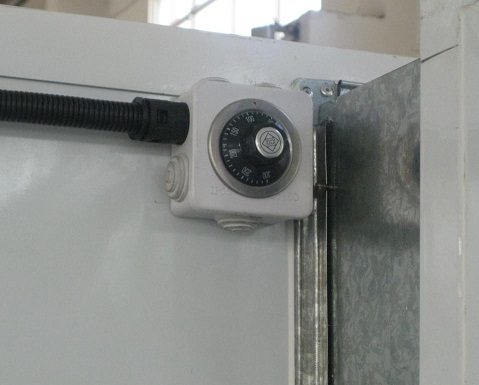
    1. Safety Thermostat

    The safety thermostat(shown in Fig.1.10), placed in the generator group near to the heat exchanger, switches off the electric system if the air flow reaches a temperature superior to 90°C


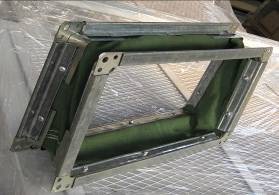
    2. Anti-vibration Joint  

    The anti-vibration joint (shown in Fig.1.11), placed between the generator groups, and exhaust air unit with active charcoals and the spray booth, is necessary to isolate the vibrations produced by the motor and the fan. The joint is formed by two edges of zinced plate connected by a belt of PVC that by contorting does not transmit the vibrations to the work environment.


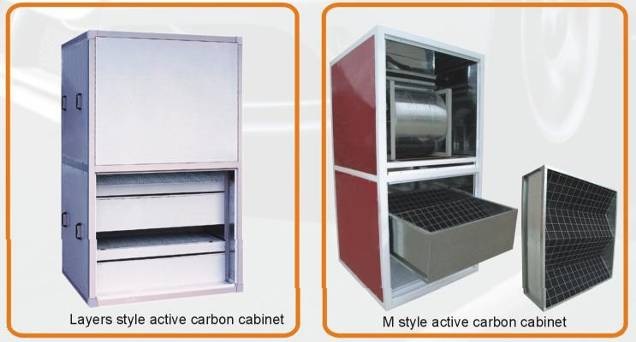
    3. Active carbon system


    The exhausting air device have active charcoals, which the air from the paint booth environment and to decrease the percentage of polluting agents. It is composed of:


    Metal frame, there rock in the panel which can keep the temperature Filtration group, composed of seven layer of active charcoal which remove the solvent fumes (purification plant).

  • The Paint Mist Recycling of Auto Paint Booth

    When the Auto Paint booth working, It will have many paint mist, in order to protect the environment. We have to recycling paint mist, it can be divided into two parts:


    First, when spraying the workpiece in the paint booth, the paint mist collides with the water curtain, and the water curtain dissolves into the paint mist and falls into the water tank;


    Second, the paint mist that has not dissolved into the water curtain enters the water washing chamber through the gap at the bottom of the water curtain plate, and is fully mixed with the water mist sprayed from the atomizing nozzle, and the gas and water are separated and settled into the water tank. A paint mist coagulant is periodically added to the water tank to form a paint residue.


    The design editor Key points

    1. Determine a reasonable configuration form.

    2. Determine the reasonable average flow rate of the horizontal plane air in the spray booth.

    3. The air supply and exhaust system are reasonably matched to ensure a slight positive pressure in the painting room.

    4. The thickness of the water curtain should be uniform. Pay attention to the structure of the water tank and the distribution of the water supply pipeline.

    5. The distance from the lower part of the water curtain board to the liquid level of the water tank should be reasonable.

    6. Washing atomizing nozzles and pipelines should be easy to disassemble, replace and clean.

    7. Separation of gas and water should be sufficient and easy to clean.


    Offer by GL Auto Paint booth.