• What Most Frequently Asked Questions About EV Motor Drive?

    The electric vehicle motor driver, as the core power control unit of new energy vehicles, plays an extremely important role for the entire vehicle. It is responsible for converting electrical energy into stable and adjustable power output to drive the motor to operate. When car manufacturers are selecting models, they usually pay more attention to the actual performance, scene adaptability and customization capabilities of the products, rather than the basic parameters. Based on years of production and manufacturing experience and a large number of practical application cases, we have identified the most common, most concerning and most applicable core issues regarding electric vehicle motor drivers within the industry.
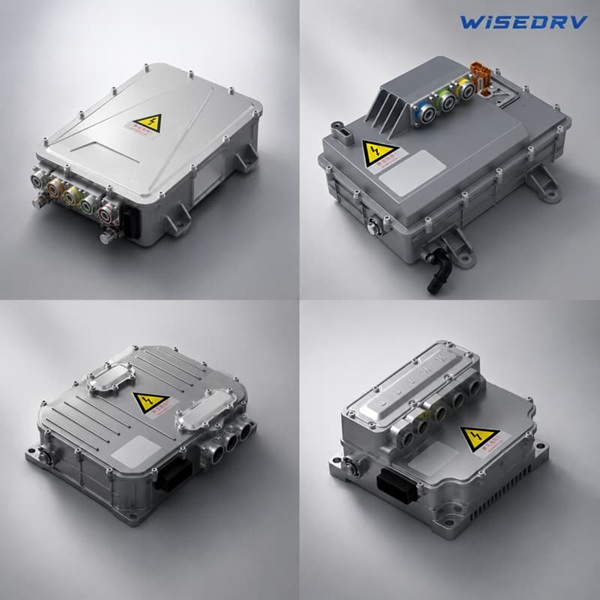
     

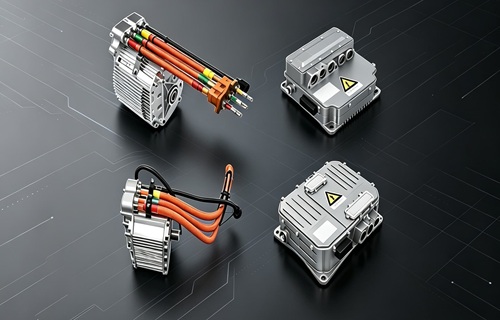
    All-in-One integrated motor drive

    Whether It is Highly Integrated

    We keep pace with industry trends and adapt to the development needs of modern new energy vehicles for lightweighting and energy conservation. We have launched an integrated structured motor driver, while also improving power utilization rate. The High Efficiency Integrated Motor Drive has an obvious effect on vehicle assistance. It can effectively reduce equipment operating power consumption and significantly increase vehicle range. It can stably adapt to various passenger and commercial electric vehicles. 


    Does It Support Customized Services

    Most of the current general-purpose standard motor drivers on the market have fixed parameters and limited functions, unable to meet the real differentiated demands of current car manufacturers and vehicle projects. As a professional supplier of electric vehicle motor drivers, WISEDRV has launched the Custom Made Motor Controller Electric Vehicle, which supports customized design. It covers exclusive adjustments for torque output, response frequency, communication protocols, and protection mechanisms, and is compatible with various customized electric vehicle research and production projects. 


    For the Compatibility of Non-road Vehicles

    In the field of motor drivers, non-road vehicles have extremely high requirements for them. Ordinary vehicle-mounted motor drivers are only suitable for conventional road driving scenarios and simply cannot cope with the complex working conditions of non-road new energy equipment such as construction machinery and agricultural equipment, which involve frequent load changes, high vibrations, and harsh working environments. In this field, WISEDRV has developed the Non-Road Use Intelligent Brushless Motor Controller specifically for non-road conditions. This type of motor driver is upgraded for non-road use, equipped with intelligent speed regulation and multi-level overload protection functions, and is fully compatible with various non-road new energy vehicles. 


    The Duration of the Usage

    The duration of the usage of the motor driver mainly depends on the heat dissipation structure, material selection and intelligent algorithm design. The WISEDRV motor driver products adopt a high-standard heat dissipation design structure and industrial-grade raw materials, and have undergone strict factory tests, which can effectively prevent common faults such as overheating of the equipment and running stalling. The standardized installation method and regular parameter detection can further ensure the long-term stable operation of the motor driver system and reduce the later maintenance costs. 


    The Concept of WISEDRV

    WISEDRV focuses on the actual application pain points of customers, creating high-performance, customized, and scenario-specific motor drive systems, adding advantages to new energy power. We are dedicated to launching more complete motor drive products and strive to provide reliable, efficient, and cost-effective electric drive solutions for global new energy vehicle manufacturers and整车 manufacturers. 


    To Learn More

    If you are interested in our products, you can visit the product page to view the full range of motor drives and find the product category that best suits your project. If you need to confirm technical parameters, customize solutions, conduct sample tests, or engage in bulk cooperation, you can send your project requirements to our official email: wisedrv@wiseelec.cn.

    Or visit the Contact Us page and let us know your needs. We will provide you with one-on-one professional engineering technical consultation and project support.
  • What to Look for in a Motor Manufacturer A Beginner’s Guide for Procurement Teams

    Selecting the right motor manufacturer is one of the most crucial decisions that the entire vehicle manufacturing team needs to make during the procurement process. The motor is the heart of an electric vehicle, and a wrong choice could lead to a sharp increase in subsequent production costs, as well as potential quality issues with the vehicle and disruptions in the supply chain. For teams that are new to purchasing electric vehicle components, this area can be overwhelming. Don't worry, this article will break down the key selection evaluation criteria for you, helping you make a wise and accurate decision.


    Specifying Motor Needs for EV 

    Before starting to collect motor suppliers, the most important task is to clearly determine what type of motor your vehicle platform actually requires. What voltage and power range does your system need? What are your torque and speed specifications? What are your requirements for the cooling method?

    Any choice must be based on the requirements of your vehicle. Avoid situations where a motor that performs well in one application may not be applicable at all in another.

    However, a high-quality New Energy Vehicle High Power Brushless Motor Manufacturer usually offers a diversified range of vehicle platforms - from micro vehicles, tricycles to construction machinery.


    Assessing Motor Manufacturer Quality Control

    After initially selecting a group of potential partners, the next step is to conduct a thorough investigation into their quality inspection capabilities. For a mature motor manufacturer, the following should be included:

    Cleanroom: Control the impact of dust particles and humidity on the insulation of windings and the assembly of bearings.

    Human-operated production line: Key processes must be operated by certified technicians and strict self-inspection and mutual inspection records must be followed.

    Testing and verification equipment: Do they have bench testing equipment, thermal cycling test chambers, and insulation resistance testers?

    Quality certification: IATF 16949 (quality management system for the automotive industry, emphasizing zero defects and process control) and CE certification, etc.

    Factory inspection: Conduct tests at all levels and throughout the entire series to ensure that each product is traceable.

    Manufacturers with a complete quality control system will bring lower defect rates, better traceability, and faster problem-solving capabilities to the entire vehicle equipment. These conditions can guarantee your subsequent production progress.


    The Product Line of the Motor Category Covers 

    As a high-quality motor manufacturer, the product line must include PMSM motors as the core category to meet the strict requirements of various application scenarios for electric drive systems. Permanent magnet synchronous motors (PMSM) have become the mainstream choice for electric vehicle motors due to their high efficiency, high power density, and excellent low-speed torque characteristics.

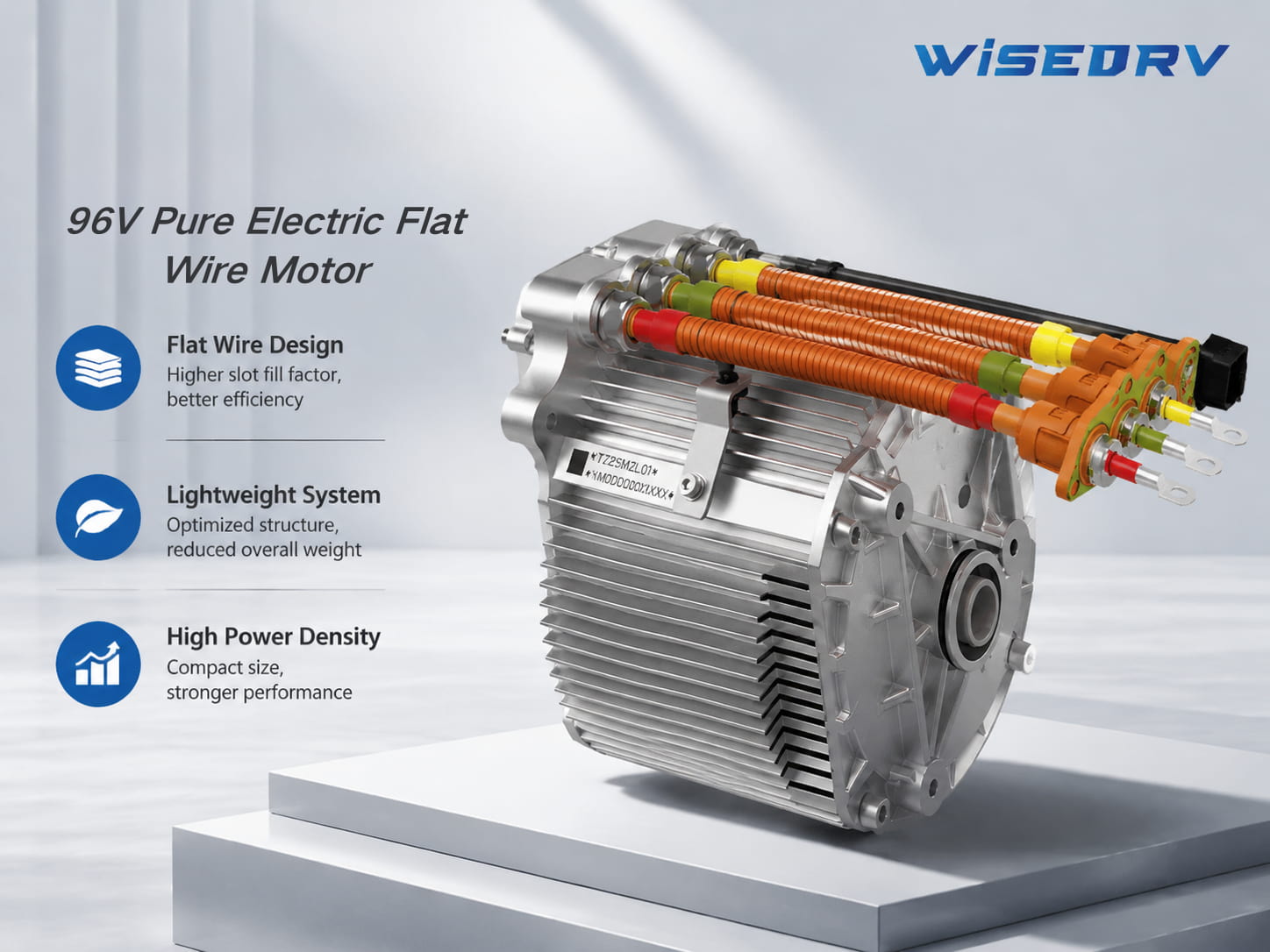
    WISEDRV closely follows industry trends and has launched permanent magnet synchronous motors that adopt the flat wire (hairpin) winding process. Compared to traditional round wire motors, the flat wire winding increases the stator slot fill rate from approximately 40% to over 70%, and the copper filling volume is also enhanced. If you are curious about why this technology is used, here is the answer:

    Higher power density: The same volume can carry more current and output higher power, achieving lightweighting of the system

    Better heat dissipation performance: The contact area between the flat wire and the stator slot is larger, and heat conduction is more efficient, effectively reducing temperature rise and extending the motor lifespan

    Better NVH performance: Runs more quietly and smoothly, enhancing the driving and riding comfort


    If your application scenario requires the motor to have high starting torque to handle climbing or heavy-load acceleration, then the WISEDRV High Torque PMSM Electric Motor is the ideal choice. This motor performs exceptionally well in low-speed high-torque scenarios, while maintaining high efficiency over a wide operating range, providing a significantly smoother and more comfortable driving experience. WISEDRV has developed and launched efficient, precisely controlled, and durable motor products and solutions, helping various partners achieve performance breakthroughs in demanding application scenarios. Currently, multiple projects have been completed.


    Supply Chain for Car-Mounted Motor

    Manufacturers whose products meet quality standards but fail to deliver on time are of no help either.

    During the in-depth decision-making stage, you need to list the following key questions:

    Delivery cycle: How long is the current production delivery cycle? How do they handle urgent orders?

    Capacity: Can they increase their capacity as your production volume expands?

    Output: Does it support batch delivery?


    For vehicle platforms that require on-board integration, you should choose manufacturers that offer Car-mounted high-power brushless motor solutions. These motors are designed specifically for the vibration, thermal cycling and space constraints of the automotive environment.


    Ready to Explore the Right Motor Solution?

    I believe that through the above description, you have gained a certain understanding of how to select a suitable motor manufacturer. In fact, choosing a suitable motor manufacturer has an absolutely positive impact on the long-term development of your enterprise. 

    If this article has helped you clarify your choice direction, we invite you to take the next step. You can visit the product page of this category to deeply explore the motor parameters of WISEDRV and find the electric drive platform that is most suitable for your vehicle. 


    motor manufacturer in china


    If you need to confirm the technical parameters of the product or learn about other product categories, customized solutions for electric drive systems, sample testing, and bulk cooperation, please send your project requirements to our official email: wisedrv@wiseelec.cn

    You can also click on the "Contact Us" interface to directly inform us of your application requirements. Our engineering team will provide you with one-on-one technical consultation and project support.
     

  • Whole vehicle project selection How to choose the appropriate supplier for electric vehicle motors and controllers

    During the development of the entire vehicle project, choosing the appropriate motor and controller suppliers is a very important step. Selecting the right electric drive system manufacturer not only brings about precise technical matching and professional supporting services, but also affects the progress efficiency and vehicle quality of the project. 


    As a supplier specializing in electric vehicle motors and controllers, we offer two pure electric solutions for the discrete electric drive platform of motors and controllers: the 96V platform with flat-wound motors, and the 320V platform for higher torque requirements. Based on our experience collaborating with numerous vehicle manufacturers, successful vehicle projects all share one common feature - they are all based on solid partnerships. Looking at the technical aspect, what are the key factors to consider when making decisions? In this article, we will approach it from three dimensions to help you make an informed decision.


    Reliability is the first criterion

    The reliability of the supplier should be given top priority. Suppliers with many years of manufacturing experience have more stable processes, a more mature supply chain, and better quality control. Therefore, before making a choice, you can first look at the past cooperation cases of this enterprise. From these cases, you can assess whether the other party has the real ability to deliver products on a large scale: whether they have withstood the strict tests of the automakers, whether they have completed the delivery on time, and whether they have achieved product updates and designs during model iterations. These experiences ultimately point to a core issue: do they have the ability to create reliable EV powertrain integration solutions?


    Evaluate the maturity of the intelligence of the electric drive system

    At present, the roles of motors and controllers are being redefined. Compared to the traditional approach, in the past they merely needed to perform tasks and receive instructions. However, in today's vehicle projects, motors and controllers have been given more core functions. 


    The VCU function enables the controller to have autonomous decision-making capabilities, capable of interpreting driving intentions and the overall vehicle status, with faster response and fewer wiring harnesses; the UDS diagnostic service enables the system to conduct self-monitoring, significantly shortening the development and after-sales maintenance cycles; and the OTA remote upgrade gives the system the ability for continuous evolution.


    These intelligent underlying principles enable drivers to experience more refined torque output, smoother start-stop transitions, and a quieter cabin environment. This is what many electric drive manufacturers and vehicle manufacturers aim to achieve with their intelligent smart electric drive control architectures. All of this is done to allow users to enjoy a more comfortable driving experience, making the collaboration between the motor and the controller more warm and progressive.


    Multi-scenario adaptability

    Nowadays, the product lines of vehicle manufacturers are rarely limited to producing a single model. Instead, they often cover different market segments.

    However, the requirements for electric drive systems vary for different models. After all, each model focuses on different aspects such as management, torque, and efficiency. For example, for micro vehicles, tricycles, sweeping vehicles, and construction machinery vehicles, their demands for motors and controllers are completely different. If each model needs to find a corresponding electric drive system one by one, the initial selection process will consume an enormous amount of manpower and resources. However, skilled suppliers will provide multi-platform compatible electric drive options and help you find the most suitable electric drive solution for yourself. The electric drive platform of WISEDRV is designed for various models and offers multi-scenario application high-performance motor drive.


    Returning to the starting point of the selection process, what kind of electric drive solution is truly suitable for your project?

    I believe it depends on the following three questions: Do they have an experience and quality system that can withstand tests and ensure stable delivery? Do they provide an intelligent and scalable control architecture to maintain the long-term competitiveness of your entire vehicle? Can they offer motor and controller configuration combinations that are tailored to your specific vehicle model and operating conditions? 

    High performance electric vehicle motors and controllers


    Regarding the above selection requirements: WISEDRV has demonstrated excellent performance in multiple implemented projects. For the combination of discrete motors and controller platforms, we offer two major solutions, covering various scenarios from small vehicles to construction machinery. This enables vehicle manufacturers to find the most suitable solution within the same technical framework, rather than having to repeatedly evaluate suppliers among different projects.


    96V (flat wire motor) electric drive platform

    Item Parameter
    Application Scenarios Micro Vehicles, Three-Wheelers, Construction Machinery
    Rated/Peak Power 6kW/12kW or 7.5kW/15kW
    Intelligent Features VCU Integration, UDS Diagnostics, OTA Upgrade, Protection function
    Protection Rating IP67


    320V electric drive platform

    Item Parameter
    Application Scenarios Micro Vehicles, Sweeper Vehicles, Construction Machinery
    Rated/Peak Power 10kW/27kW
    Peak Torque 105Nm
    Intelligent Features VCU Integration, UDS Diagnostics, OTA UpgradeProtection function
    Protection Rating IP67


    Want to know more?

    Click here to visit our product page and learn about the detailed parameters of the motor drive. 


    For technical confirmation, customized solutions, sample testing or large-scale cooperation, please directly send your project requirements to our official email: wisedrv@wiseelec.cn


    You can also use the online contact form. During your entire development cycle, we will arrange dedicated technical engineers to provide one-on-one consultation.

    Let's start now and provide a comprehensive solution that fully adapts to your entire vehicle project design.

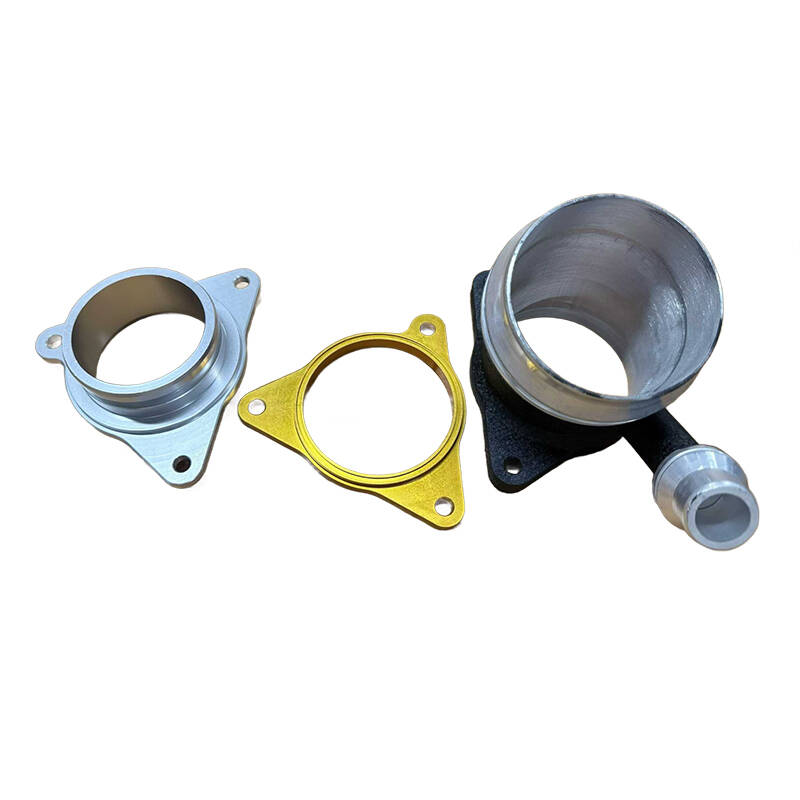
  • BMW B58 TU Turbo Inlet for Hybrid Turbo Charger LM

    BMW B58 TU Turbo Inlet for Hybrid Turbo Charger LM


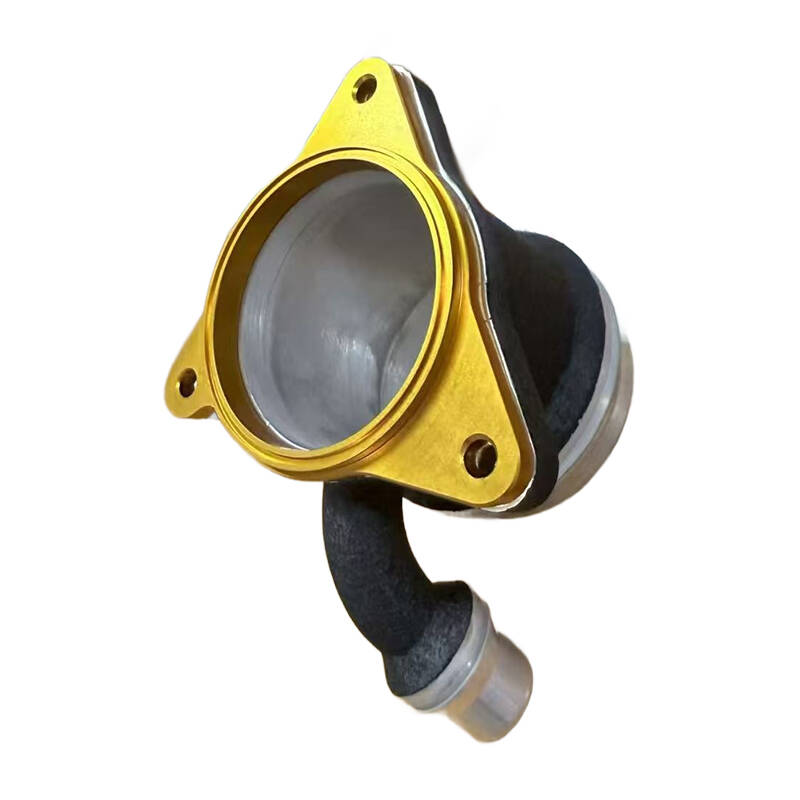
    Introduce the ultimate upgrade for your BMW B58 TU engine turbo inlet pipe. Designed for enthusiasts who demand peak performance, this precision-engineered turbo inlet unlocks the full potential of your hybrid turbo setup, delivering high airflow, responsiveness, and power.


    B58tu turbo inlet


    Process:B58 TU inlet pipe is crafted using CNC integrated molding.

     B58tu turbo inlet pipe

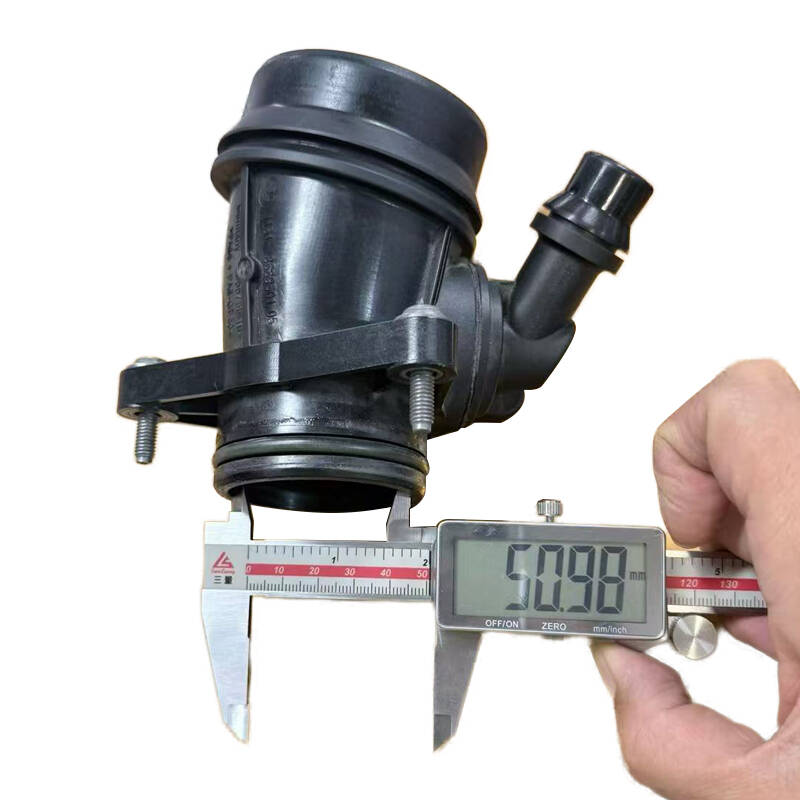
    Optimized Airflow: Engineered to maximize airflow efficiency, reducing turbulence aand ensuring your hybrid turbo breathes freely.Upgrade 63mm diameter to replace stock 51mm.

     B58tu turbo inlet pipe

    Enhanced Performance: Unlocks horsepower and torque gains by improving boost response and minimizing pressure drop.

     B58tu turbo inlet pipe

    Durability: Crafted from high-quality materials to withstand extreme conditions and provide long-lasting reliability.


    Thank you for choosing. If you have any questions, feel free to contact us and we’re here to help!


  • Ceramic Coating vs Exhaust Wrap

    Ceramic Coating vs Exhaust Wrap: A Heat Insulation Comparison in Automotive Exhaust Systems

    In the automotive exhaust industry, effective heat management is critical for performance, durability, and safety. Two of the most commonly used thermal insulation solutions are ceramic coating (often referred to as baked ceramic coating) and exhaust wrap (sometimes informally called “bead insulation,” typically made from fiberglass or basalt/lava fibers). Although both aim to reduce heat transfer, their working principles, performance characteristics, and long-term effects are quite different.


    This article compares these two technologies from multiple perspectives to help enthusiasts, engineers, and manufacturers make informed decisions.


    1. What Is Ceramic Coating?

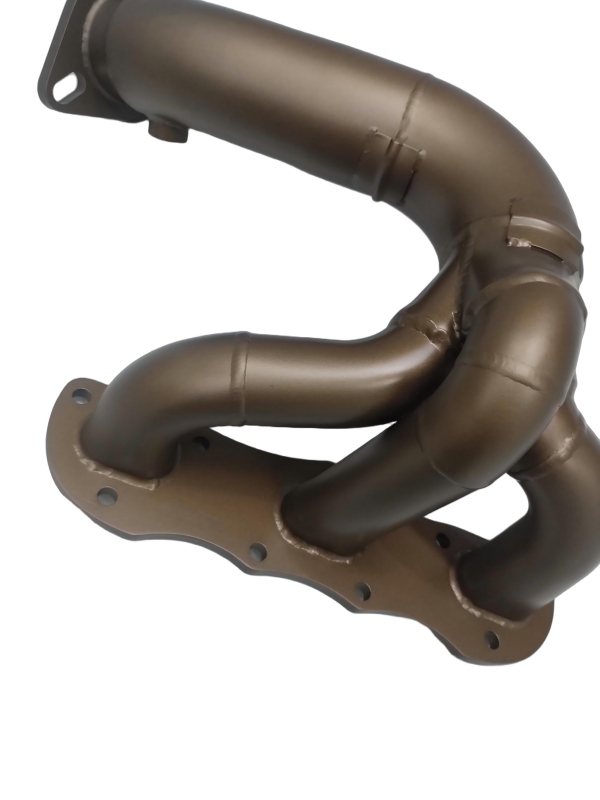
    Ceramic coating is a thin, high-temperature-resistant layer applied directly to the surface of exhaust components such as headers, downpipes, and turbo housings. After application, the coating is cured at high temperatures, forming a dense and durable ceramic layer.


    How It Works

    Reflects and retains heat within the exhaust gases

    Reduces heat radiation to the engine bay

    Creates a thermal barrier between the exhaust and surrounding components

    Ceramic Coating


    2. What Is Exhaust Wrap?

    Exhaust wrap is a fabric-like insulation material, usually made from fiberglass, basalt (lava rock), or silica fibers, that is tightly wrapped around exhaust pipes.


    How It Works

    Physically traps heat inside the exhaust pipe

    Reduces surface temperature by limiting convection and radiation

    Acts as an external thermal blanket

     Exhaust Wrap

    3. Heat Insulation Performance


    Ceramic Coating

    Provides consistent and controlled heat retention

    Reduces external surface temperatures by 15–30%

    Maintains exhaust gas velocity, improving scavenging and turbo response

    Heat insulation performance remains stable over time

    Ceramic Coating

    Exhaust Wrap

    Can significantly reduce surface temperature initially (sometimes more than ceramic coating)

    Effectiveness depends heavily on wrapping technique and material quality

    Performance may degrade as the wrap absorbs moisture, oil, or dirt

    Verdict:
    Exhaust wrap may offer stronger short-term insulation, but ceramic coating delivers more stable and predictable long-term thermal performance.


    4. Durability and Longevity

    Ceramic Coating

    Resistant to corrosion, oxidation, and chemicals

    Does not trap moisture

    Can last many years under proper conditions

    Ideal for both street and track use

     Ceramic Coating

    Exhaust Wrap

    Prone to moisture retention, which can accelerate pipe corrosion

    Fibers can degrade under repeated heat cycles

    Requires periodic inspection and replacement

    Verdict:
    Ceramic coating clearly outperforms exhaust wrap in durability and lifespan.


    5. Impact on Exhaust Components


    Ceramic Coating

    Protects metal surfaces from extreme heat and oxidation

    Helps prevent cracking and metal fatigue

    Suitable for stainless steel, mild steel, and even titanium systems


    Exhaust Wrap

    Can cause localized hot spots

    Increases the risk of metal embrittlement and cracking

    Particularly risky for thin-wall or mild steel exhaust pipes

    Verdict:
    Ceramic coating is safer for long-term exhaust component health.


    6. Installation and Maintenance


    Ceramic Coating

    Requires professional application and curing

    Higher upfront cost

    Minimal maintenance once applied


    Exhaust Wrap

    Easy to install at home

    Low initial cost

    Requires regular inspection and potential re-wrapping

    Verdict:
    Exhaust wrap is more accessible for DIY users, while ceramic coating is a “set it and forget it” solution.


    7. Aesthetic and Practical Considerations


    Ceramic Coating

    Clean, professional appearance

    Available in multiple colors and finishes

    Maintains appearance over time


    Exhaust Wrap

    Race-inspired look

    Can discolor, fray, or burn over time

    May release fibers during installation and use


    8. Conclusion: Which Is Better?

    There is no one-size-fits-all answer, but the choice depends on priorities:

    Choose ceramic coating if you value:

    Long-term durability

    Corrosion resistance

    Professional appearance

    Consistent thermal management


    Choose exhaust wrap if you value:

    Low initial cost

    DIY installation

    Short-term or track-focused applications


    For most street cars, high-end performance builds, and OEM-level solutions, ceramic coating is the superior and more reliable heat insulation method. Exhaust wrap remains popular in motorsports and budget builds, but it comes with trade-offs that should not be ignored.

  • Complete Intercooler & Intake Upgrade Kit for Porsche 991.2 3.0T Turbo

    Complete Intercooler & Intake Upgrade Kit for Porsche 991.2 3.0T Turbo


    For owners of the 991.2 3.0T Turbo who are looking to go beyond factory performance, upgrading the intake and cooling system is one of the most effective ways to unlock additional power. This complete upgrade kit is engineered to deliver improved airflow, cooling efficiency, and overall reliability.


    1. Designed Specifically for the 991.2 3.0T Platform

    This kit is purpose-built for the Porsche 991.2 3.0T Turbo engine, ensuring perfect fitment and seamless integration with OEM components. Whether you're running a stock setup or planning higher boost applications, this kit provides a solid foundation for performance upgrades.

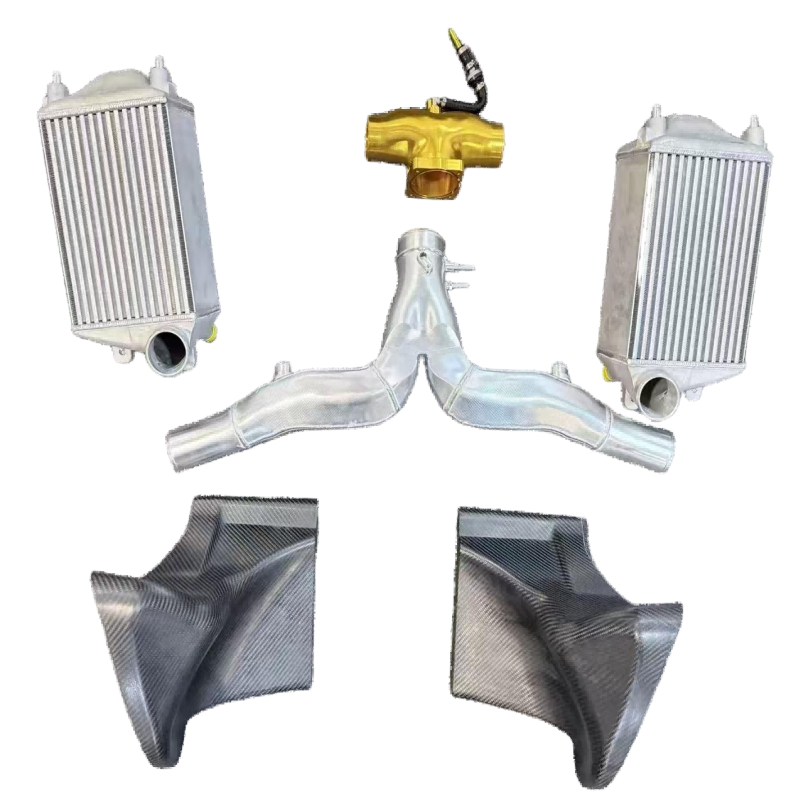
     Porsche 991.2 3.0T Turbo Intercooler & Intake Upgrade Kit

    2. Enlarged Intercooler Core for Superior Cooling

     Porsche 991.2 3.0T Turbo Intercooler & Intake Upgrade Kit

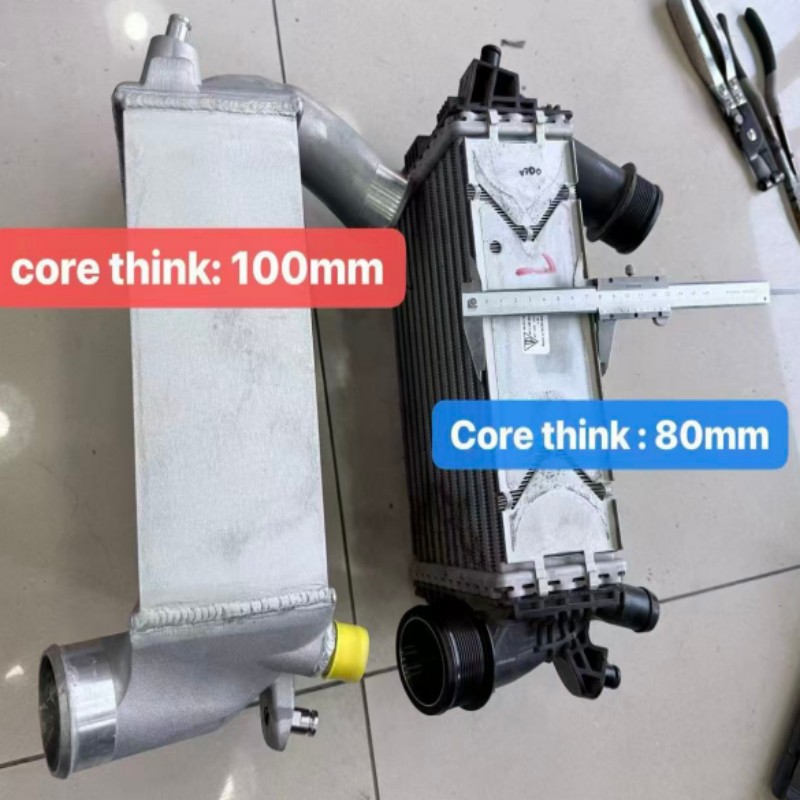
    The factory intercooler comes with an 80mm core thickness and 11 rows, which can struggle under high load or high-temperature conditions.


    Our upgraded intercooler features:

    100mm core thickness

    14-row design

    The increased surface area significantly improves heat dissipation, resulting in lower intake air temperatures (IAT) and more consistent power output.


    3. Carbon Fiber Shroud for Optimized Airflow


    The kit includes high-quality carbon fiber shrouds designed to:


    Improve airflow direction and efficiency

    Reduce overall weight

    Enhance engine bay aesthetics


    This ensures more air is effectively channeled into the intercooler for maximum performance.


    4. CNC Billet Y Charge Pipe – Stronger & Smoother Flow


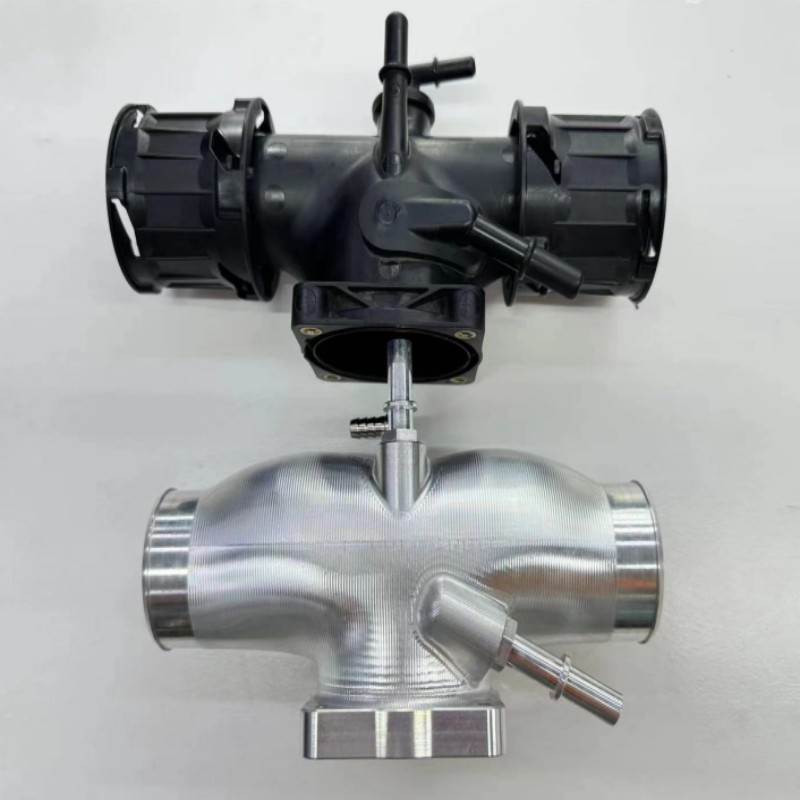
    The factory Y-pipe is typically made of plastic, which can become a weak point under high boost pressure.


    Our upgrade includes:

    CNC-machined billet aluminum construction

    Smoother internal surfaces to reduce airflow restriction

    Larger diameter for increased air volume


    This results in improved throttle response, higher airflow efficiency, and eliminates the risk of pipe failure.


    5. CNC Intake Plenum – Enhanced Air Distribution

     Porsche 991.2 3.0T Turbo Intercooler & Intake Upgrade Kit

    The intake plenum is also upgraded to a CNC billet design:


    More even airflow distribution to each cylinder

    Reduced turbulence inside the manifold

    Optimized for high-performance applications


    A crucial upgrade for achieving stable and efficient power gains.


    6. Complete System Upgrade, Not Just Individual Parts


    Unlike single-component upgrades, this complete kit provides:


    Integrated cooling and intake system optimization

    Components engineered to work together

    Elimination of performance bottlenecks


    The result is a more reliable, efficient, and balanced performance upgrade solution.


    If you're looking to get more out of your Porsche 991.2 3.0T Turbo, our Complete Intercooler & Intake Upgrade Kit is built to deliver real results where it matters most. Feel free to leave a comment or reach out—we’d be happy to help you take the next step.

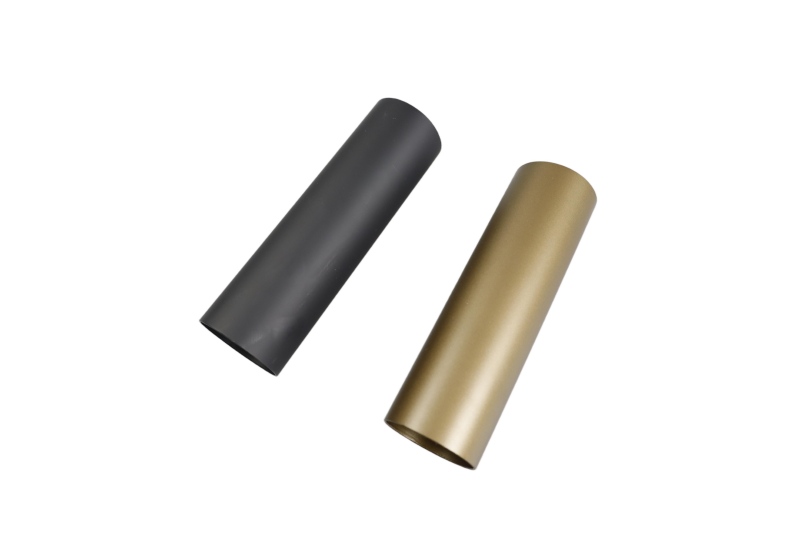
  • Custom aluminum pipes to carbon fiber material

    Custom aluminum pipes to carbon fiber material


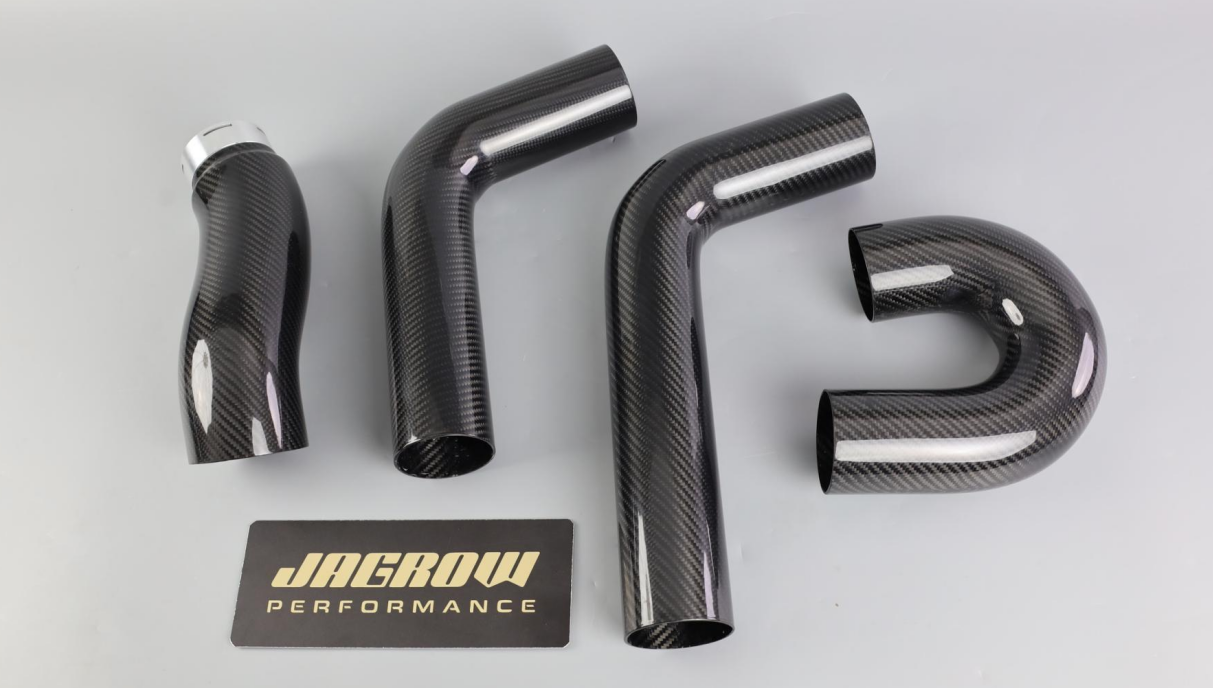
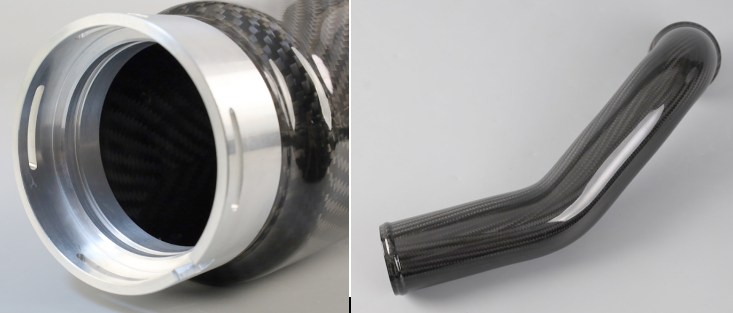
    Compared to traditional metal pipes (such as aluminum and steel pipes), the core advantage of carbon fiber pipes stems from their composite material properties and anisotropy (i.e., different properties in different directions). The following are some of their most prominent advantages:

    G8X carbon fiber intake kit


    1. Superior Strength-to-Weight and Stiffness-to-Weight Ratios

    This is the most significant advantage.

    Data: Carbon fiber has a density of ~1.6 g/cm³, compared to ~2.7 g/cm³ for aluminum.

    Benefit: For a tube of equal stiffness, a carbon fiber version can be 40-60% lighter. Conversely, for a tube of equal weight, the carbon fiber tube will be dramatically stronger and stiffer, particularly in the axial direction. This leads to improved acceleration, energy efficiency, and payload capacity in applications like aerospace, drones, and high-performance vehicles.


    2. Exceptional Fatigue Resistance

    Benefit: Carbon fiber composites have a much higher fatigue limit than aluminum. They are less susceptible to crack propagation under repeated loading cycles (e.g., vibration, bending).


    3.Corrosion and Chemical Resistance

    Benefit: Carbon fiber is inert and does not rust or corrode like aluminum. It performs excellently in harsh environments, including exposure to saltwater, chemicals, and moisture, eliminating the need for protective anodizing or coatings.


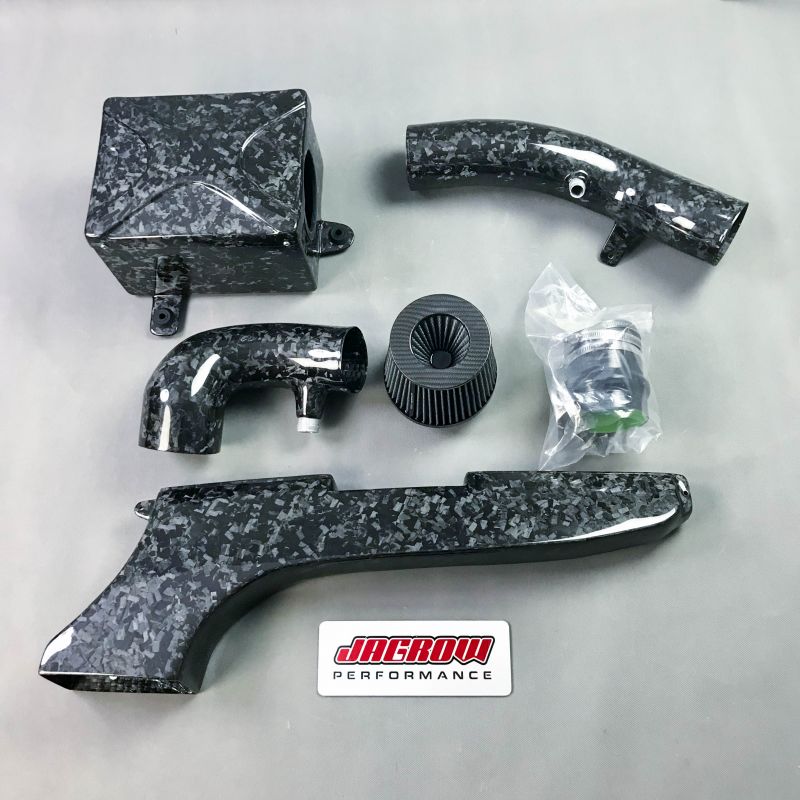
    4. With advancements in technology, carbon fiber metal parts can now be bonded together more perfectly.


    5.The costs have also dropped significantly, and the more you purchased the more cost-effective it becomes.

    Dry carbon fiber pipe

    6. Customized requirements are available,such as logo,packaging etc.Jagrow can develop new carbon fiber parts by drawings/samples.


    Feel free to contact us if you have any customzied requirements.


  • Developing a Better Exhaust System with OEM Chassis Data

    Developing a Better Exhaust System with OEM Chassis Data


    When it comes to aftermarket exhaust development, performance is only part of the equation. A great exhaust system must also fit perfectly, install easily, and deliver a design that stands out from the competition. That's why our development process starts with one of the most important resources available: OEM chassis data.


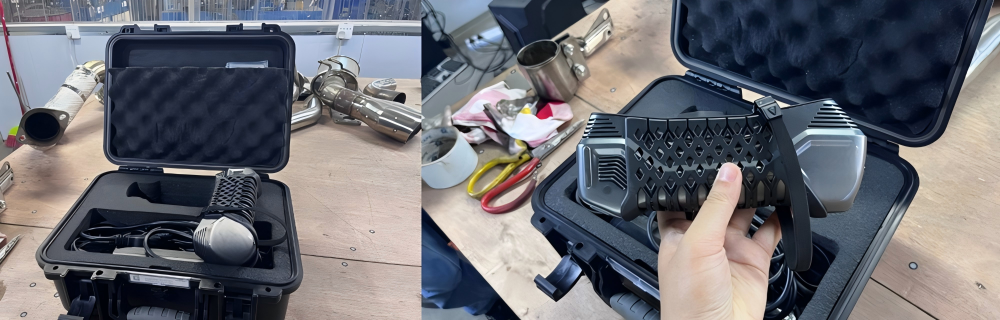
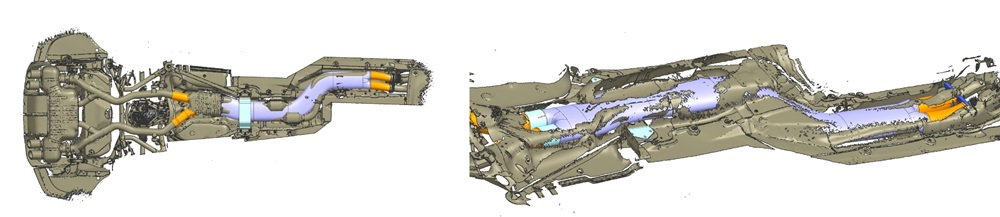
    Using advanced 3D scanning technology, we capture the complete underside of the vehicle, including mounting points, suspension components, heat shields, and surrounding clearances. This digital model allows our engineers to design an exhaust system that follows the available space with maximum accuracy before a single prototype is produced.

    BMW exhuast system 3D chassis data

    As shown in the development model above, the entire exhaust routing is created directly around the vehicle's original chassis structure. This approach ensures excellent fitment and minimizes the risk of installation issues that are often found in universal or reverse-engineered systems. Every bend, collector, and connection is designed with real-world packaging constraints in mind.


    But perfect fitment is only the beginning.

    BMW exhaust system chassis data

    Rather than copying existing market solutions, our team focuses on creating unique layouts that improve both performance and appearance. By carefully optimizing pipe routing, collector geometry, and component placement, we can improve exhaust flow efficiency while maintaining proper ground clearance and serviceability. The result is a system that not only performs well but also looks purpose-built for the vehicle.


    OEM chassis data also helps us identify opportunities that others may overlook. With a clear understanding of available space, we can develop innovative designs that maximize flow without compromising reliability or ease of installation. This allows us to offer products that are genuinely different from the standard aftermarket options available today.


    The end result is an exhaust system engineered for precision, performance, and long-term durability. By combining accurate OEM vehicle data with creative engineering, we deliver products that fit like factory equipment while offering a distinctive design and driving experience that enthusiasts can appreciate.

    Better data. Better design. Better exhaust systems.


  • How Different Intake Pipe Materials Affect Engine Airflow and Performance?

    How Different Intake Pipe Materials Affect Engine Airflow and Performance?


    When tuning an engine, most enthusiasts focus on turbochargers, exhaust systems, or ECU maps—but the humble intake pipe plays a far more critical role than it seems. Its material composition can significantly affect airflow efficiency, intake air temperature, throttle response, and even the sound of your engine. Let’s dive into how aluminum, silicone, plastic, titanium, and carbon fiber intake systems each influence performance.


    1. The Role of the Intake Pipe

    The intake pipe connects your air filter to the throttle body (or turbo inlet). Its job is to ensure that the engine receives a consistent, cool, and smooth stream of air.

    The key factors that determine intake efficiency include:

    Air temperature (IAT) — Cooler air is denser, bringing in more oxygen.

    Flow resistance — Smoother airflow equals better volumetric efficiency.

    Thermal conductivity — Materials that resist heat keep the air cooler.

    Weight and rigidity — Lighter materials improve response and reduce vibration.


     2. Comparing Intake Pipe Materials

    Material

    Thermal Conductivity

    Weight

    Durability

    Typical Characteristics

    Aluminum

    High (absorbs heat quickly)

    Light

    Excellent

    Great airflow, but heats up fast

    Silicone

    Low

    Medium

    Good (flexible, heat-resistant)

    Stable temperatures, slight expansion under pressure

    Plastic (ABS/PP/Nylon)

    Very low

    Very light

    Moderate

    Good insulation, low cost, smooth interior

    Titanium

    Moderate

    Very light

    Exceptional

    Excellent strength-to-weight, exotic tone

    Carbon Fiber

    Extremely low

    Ultra light

    Very good

    Excellent insulation, premium appearance


    3. How Each Material Affects Air Intake

    Aluminum: Strong Flow, High Heat

    Aluminum intake pipes are popular in performance and aftermarket setups due to their rigidity and smooth internal surfaces, which promote excellent airflow.
    However, aluminum’s high thermal conductivity means it absorbs engine bay heat quickly—raising intake air temperatures and slightly reducing power.
    Ideal for: Turbocharged engines with intercoolers, or applications emphasizing throttle response and sound.


    Silicone: Heat-Resistant and Flexible

    Silicone intake pipes are known for their heat insulation and flexibility. They resist cracking, vibration, and heat soak better than rubber or aluminum.
    Their only downside is that under high boost, silicone may slightly expand, delaying throttle response.
    Ideal for: Turbocharged or supercharged engines needing durable, temperature-stable connections.

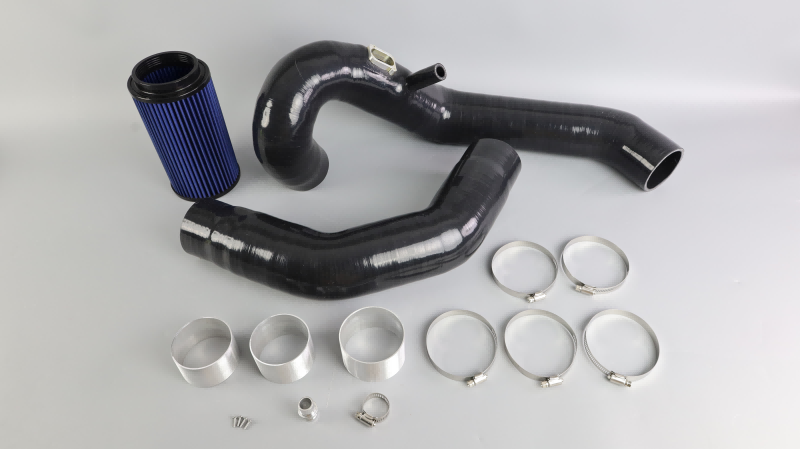
    Silicone hose intake pipe


    Plastic: Lightweight and Thermally Stable

    Modern OEMs increasingly use engineered plastics (like ABS or nylon) for intake systems.
    Plastic offers excellent thermal resistance, keeping intake air cooler even in hot engine bays. It’s also lightweight, cost-effective, and allows complex shapes for optimized airflow.
    However, it’s less durable under extreme heat or boost compared to metal or carbon.
    Ideal for: Daily drivers and modern stock applications focusing on smoothness and efficiency.

    Plastic air intake pipe


    Titanium: The Exotic Performer

    Titanium intake pipes are rare and expensive—but they combine the strength of steel, the lightness of aluminum, and better heat resistance than either.
    They also produce a distinct metallic intake sound that enthusiasts love.
    Ideal for: High-end builds and motorsport applications where performance, weight savings, and aesthetics matter equally.


    Carbon Fiber: The Ultimate in Performance and Style

    Carbon fiber intake pipes are the pinnacle of design and function.
    Their extremely low thermal conductivity keeps intake air temperatures as cool as possible, while their light weight improves throttle response.
    They also look stunning under the hood, adding a premium touch. The only downside: cost.
    Ideal for: High-performance cars and enthusiasts seeking maximum efficiency and style.

    Carbon fiber intake pipe


    4. How Material Affects Driving Feel and Sound

    Factor

    Aluminum

    Silicone

    Plastic

    Titanium

    Carbon Fiber

    Airflow Smoothness

    Excellent

    Good

    Very good

    Excellent

    Excellent

    Heat Resistance

    Poor

    Very good

    Excellent

    Good

    Excellent

    Throttle Response

    Sharp

    Slightly delayed

    Smooth

    Very sharp

    Very sharp

    Sound Character

    Loud, metallic

    Muted

    Quiet

    Crisp, metallic

    Refined, resonant

    Aesthetic Appeal

    Industrial

    Functional

    OEM

    Exotic

    Premium


    5. Finding the Right Balance

    Choosing the best intake pipe material depends on your goals:

    For everyday reliability: Plastic or silicone is best.

    For performance tuning: Aluminum offers strong flow and a sportier tone.

    For extreme builds or show cars: Carbon fiber or titanium provides the ultimate performance and visual appeal.


    In short:

    Aluminum = airflow and aggression.

    Silicone = durability and heat control.

    Plastic = practicality and efficiency.

    Titanium = lightweight strength.

    Carbon fiber = cool air, cool looks.


    Final Thoughts

    Your intake system is more than a pathway for air—it’s an integral part of your car’s breathing system.
    By understanding how different materials behave under heat, pressure, and vibration, you can fine-tune your intake setup for the perfect blend of performance, sound, and style.

  • How to clean the air filters of different material?

    How to clean the air filters of different material?


    1: Non-Woven Filter Element: Dry Cleaning Method (Disposable Product) Principle: Dust removal only, no washing with water, regular replacement required.


    a.Remove: Turn off the device power and carefully remove the filter element.

    b.Dust Removal:

     Best Method: Use the soft brush attachment of a household vacuum cleaner. Gently vacuum along the pleats of the filter using medium to low suction.

     Alternative Method: Hold the filter over a trash bin and gently tap its frame to dislodge loose dust.

    c.Reinstall/Replace: Check for any damage, then reinstall it. Once it reaches its replacement interval (typically 1-3 months) or appears significantly darkened or emits odors, it must be discarded and replaced with a new one.


    Warning: Using water will permanently damage the fiber structure, rendering the filter ineffective.

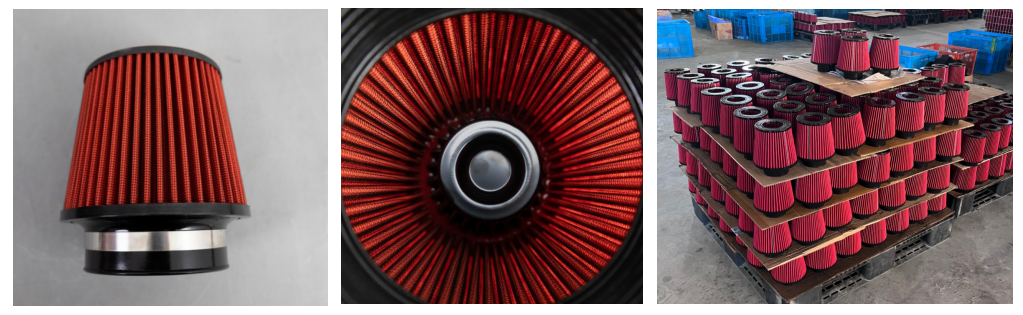
    Customzie Air Filters

    2.Cotton Yarn Filter Element (Oiled Filter): Professional Cleaning Method (Reusable)
    Principle: Use dedicated kit, clean and re-oil, restore performance.


    The cotton yarn filter element (typically red or white, with an oily feel to the touch) relies on a specially formulated oil coating to trap dust and requires a dedicated maintenance method.

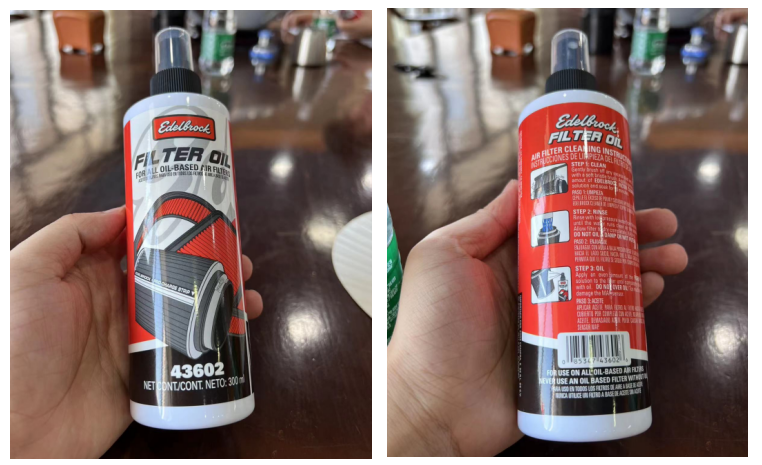
    Required Tools: The dedicated filter cleaner and filter oil (do not use substitutes).

    Steps:

    Pre-cleaning: Gently tap the filter to remove large dust particles.


    a.Apply Cleaner: Spray the dedicated cleaner evenly on both the inside and outside of the filter element, ensuring all soiled areas are covered.


    b.Soak: Let it sit for 10-15 minutes, allowing the cleaner to dissolve the oil and dirt.


    c.Rinse: Rinse gently with room-temperature water from the clean inside towards the dirty outside (against the direction of airflow) until the water runs clear. Do not use a high-pressure water jet.


    d.Air Dry Naturally: Shake off excess water and place it in a cool, well-ventilated area to dry completely, ensuring the interior is fully dry (this usually takes several hours).


    e.Apply Filter Oil: Apply the dedicated filter oil evenly to the outside (air intake side) of the filter element. The amount of oil is crucial—apply a thin, even layer until it turns a translucent red. Avoid over-oiling.


    f.Reinstall and Use: Allow the oil to soak in for about 20 minutes before reinstalling the filter.

    Customize Air Filters

    Customize Air Filters


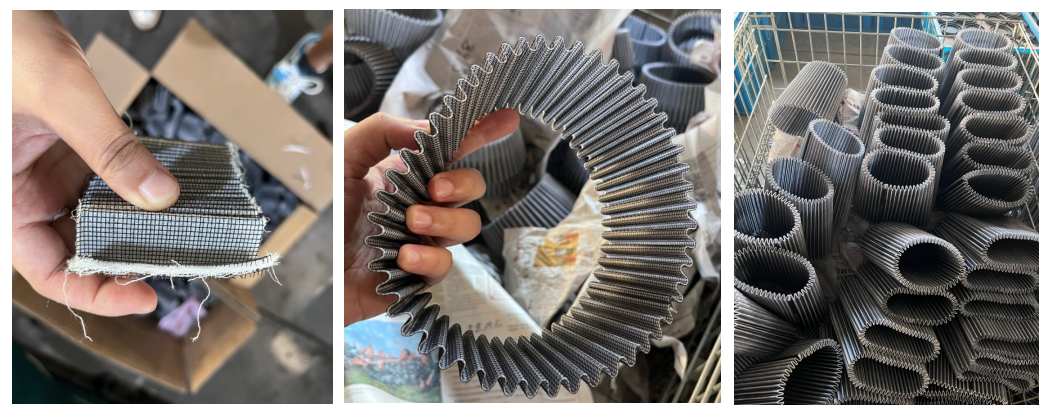
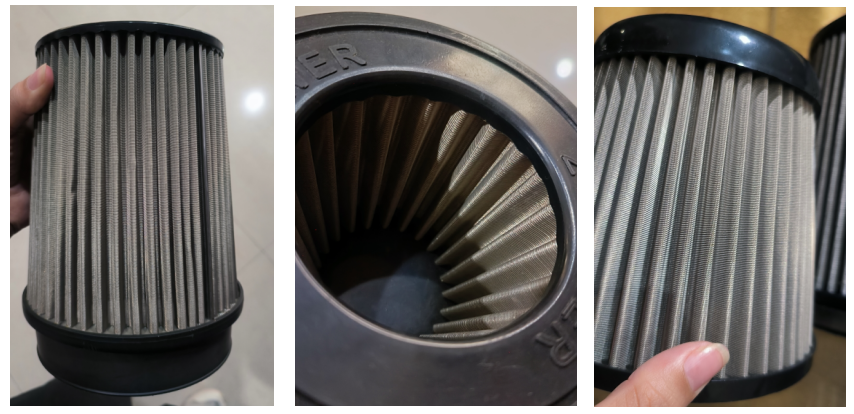
    3. Stainless Steel Mesh Filter: Water Washing Cleaning Method (Reusable)
    Principle: Wash, scrub clean, and check integrity.


    a. Remove: It is usually a metal mesh and can be taken off directly.


    b. Soak:Soak it in hot water with dish soap or a kitchen degreaser for 10-20 minutes to soften grease and grime.


    c. Scrub: Use a soft-bristled brush (e.g., an old toothbrush) to carefully scrub both sides of the mesh, removing all grease, sludge, and blockages.


    d. Rinse: Rinse it thoroughly with clean water.


    e. Dry/Wipe Dry: Dry it with a clean cloth or let it air dry naturally, ensuring no water spots remain.


    f.Inspect: Check the mesh for any damage or deformation against a light source. Replace it if necessary.

    Customize Air Filters